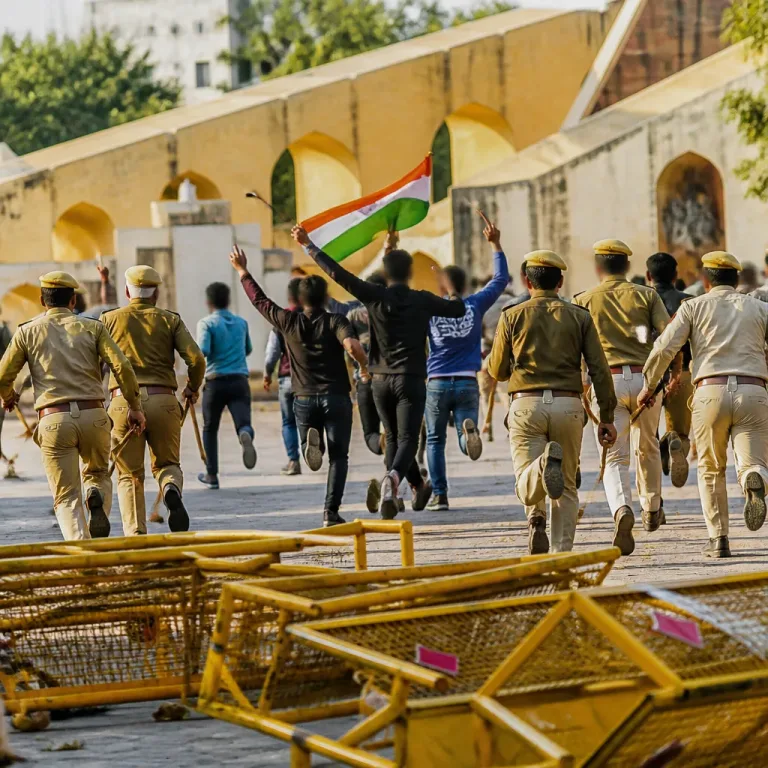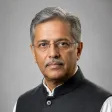
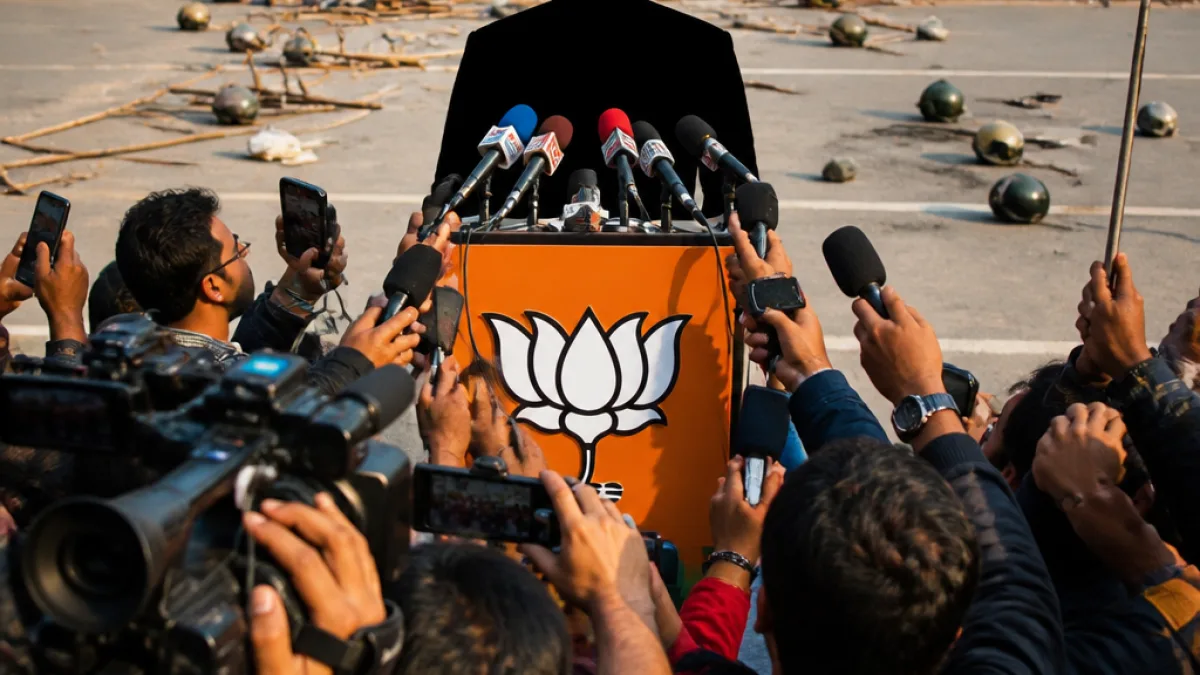
Chandigarh: Punjab BJP president Kewal Dhillon on Wednesday accused the Congress and the Aam Aadmi Party (AAP) of practising "selective protest politics" and questioned why Congress leader Rahul Gandhi did not visit Ranchi after a reported lathi-charge on protesting students there.
Dhillon challenges Opposition presence at protest site
Speaking to reporters, Dhillon said national Opposition leaders raise issues in the capital but fail to appear at sites where incidents have taken place. He demanded an explanation for what he called a "double standard" in the conduct of Opposition parties.
"Rahul Gandhi raises issues in Delhi, but why did he not go to Ranchi? The Opposition should explain this double standard," Dhillon said.
Dhillon's remarks linked the question of presence at protest sites to a broader criticism of Opposition tactics. He argued that political parties have a duty to pursue issues through parliamentary channels rather than by boycotting the House.
Parliament boycott and use of the House
On the Opposition's boycotts of Parliament, Dhillon said they waste public money and prevent important matters from being discussed in the appropriate forum. He urged the Opposition to make use of the parliamentary platform to seek answers from the government.
He framed his criticism as a call for constructive debate, asserting that public issues should be pursued within the legislature so they can be properly examined and resolved.
Accusations against AAP over paper leaks, Punjab DA demands
Dhillon also targeted AAP and Punjab Chief Minister Bhagwant Mann over alleged inconsistencies on the issue of paper leaks and the handling of employees' demands for dearness allowance (DA).
He said AAP leaders vocally address paper leaks when such incidents occur in Delhi but remain silent when similar allegations arise in Punjab. He further criticised the Punjab government's handling of employee demands for DA, asserting that the state administration had not dealt adequately with those concerns.
What Dhillon said: key claims
- Opposition leaders practise "selective protest politics" by not visiting protest sites such as Ranchi, according to Dhillon.
- Boycotting Parliament wastes public funds and obstructs discussion of important issues, he said.
- He alleged a double standard by AAP on paper leaks—loud when in Delhi, silent when in Punjab—and criticised Punjab government's response to DA demands.
Dhillon also framed his comments within a positive assessment of national progress, saying the country is progressing under Prime Minister Narendra Modi's leadership and urging the Opposition to focus on raising issues constructively rather than engaging in what he described as selective protests and parliamentary boycotts.
Context and immediate implications
The remarks come amid heightened scrutiny of protest responses and of how political parties choose to highlight or downplay incidents across states. In this instance, the allegation centres on why national Opposition leaders did not personally visit Ranchi after authorities reportedly used force against protesting students.
While Dhillon's comments directly challenge Opposition tactics, they also draw attention to expectations of political leaders' on-ground presence following contentious incidents. The complaint that parliamentary boycotts waste public money is a recurring theme in debates over the effectiveness of such tactics; Dhillon reiterated that the House remains the appropriate forum for raising grievances and seeking accountability.
Claims summary
| Issue | Dhillon's claim |
|---|---|
| Presence at protest sites | National Opposition leaders, including Rahul Gandhi, did not visit Ranchi after a lathi-charge on students. |
| Parliament boycott | Boycotting Parliament wastes public funds and blocks discussion of important matters. |
| Paper leaks | He accused AAP of speaking up about paper leaks in Delhi but staying silent when similar allegations arise in Punjab. |
| Employees' demands | Claimed Punjab government mishandled demands for dearness allowance. |
No official response from the Congress or AAP was reported at the time of Dhillon's remarks. The comments add to the ongoing public debate over how political parties should balance parliamentary strategy with street-level solidarity and whether leaders should routinely travel to protest sites to show support.