Baleshwar, 12 August: Odisha Vigilance officials on Wednesday apprehended a Revenue Inspector (RI) from Tudigadia under Khaira tahasil in Baleshwar district for allegedly taking a bribe of ₹5,000 from an applicant seeking land mutation and a Record of Rights (ROR).
How the trap unfolded
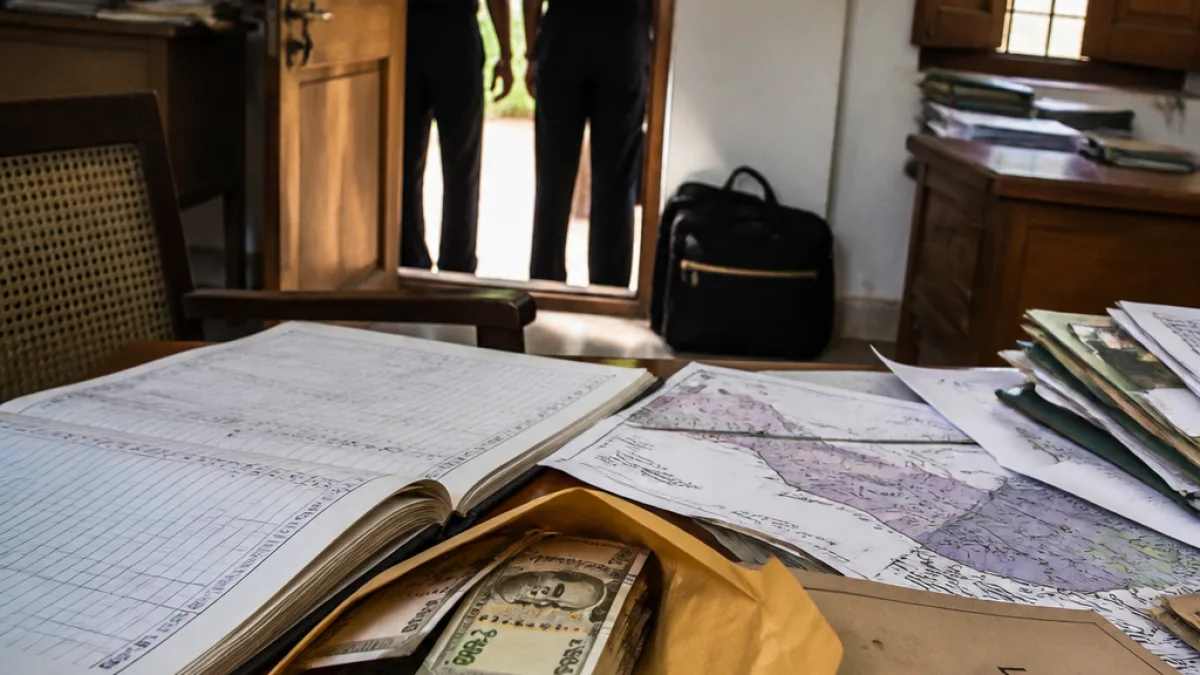
An official Vigilance release said the accused was identified as Sarat Kumar Sethy, working as RI at Tudigadia. Vigilance personnel alleged Sethy was caught "red‑handed" in his office while accepting the cash from the complainant in connection with a land mutation application.
According to the release, the applicant had sought mutation of ancestral land to get the ROR transferred in his grandfather's name. The Vigilance said the process had been delayed and that Sethy subsequently demanded payment of ₹5,000 for submitting a favourable field enquiry report and facilitating the issuance of the ROR. After the applicant refused to pay, he approached Odisha Vigilance, which laid a trap and effected the arrest.
Seizure, registration and follow-up action
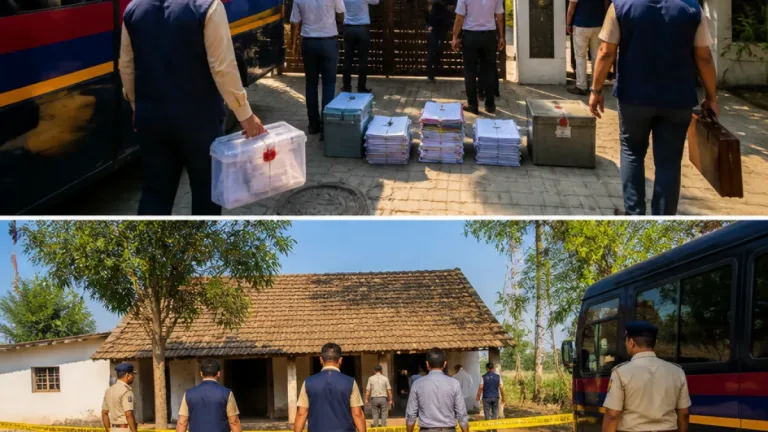
The entire bribe amount of ₹5,000 was reportedly recovered from Sethy's possession and seized. Simultaneous searches are being conducted at two premises linked to the official as part of a probe into a suspected disproportionate assets (DA) angle, the release said. A case has been registered at the Baleshwar Vigilance Police Station under Section 7 of the Prevention of Corruption (Amendment) Act, 2018, and further investigation is under way.
| Item | Detail |
|---|---|
| Accused | Sarat Kumar Sethy, Revenue Inspector, Tudigadia |
| Allegation | Demanding and accepting bribe to influence land mutation/ROR |
| Amount recovered | ₹5,000 |
| First information | Case registered under PC (Amendment) Act, 2018, Section 7 |
Context and public impact
Land mutation and issuance of Records of Rights are routine revenue functions that affect property titles, entitlement and access to subsequent benefits such as loans or social‑welfare schemes. Delays or irregularities in these processes can impose costs on citizens and create opportunities for corrupt practice, particularly where applicants must repeatedly follow up in person at revenue offices.
Vigilance stings that catch officials in the act are intended to deter such demands and reassure applicants. At the same time, the probe into a possible disproportionate assets angle indicates investigators will examine the accused's financial trail beyond the single transaction.
Practical guidance for applicants
When dealing with land records and revenue offices, applicants are advised to take practical precautions:
- Keep written records of all submissions and receipts, including application numbers and dates.
- Refuse to make informal cash payments and ask for formal receipts for any legitimate fee.
- Use the state's online e‑services where available for tracking mutation and ROR applications.
- If pressured for money, note the official's name, time and place and approach the Vigilance or higher revenue authorities with a complaint.
Measures such as digital transaction options and transparent tracking are designed to reduce face‑to‑face interactions that may facilitate demands for bribes; applicants are urged to use those channels when possible.
Investigation next steps
The Vigilance release said searches at two locations linked to the accused are continuing as investigators probe for unexplained wealth and corroborating evidence. The registered case under the Prevention of Corruption (Amendment) Act provides the statutory framework for prosecution if the investigation yields sufficient material.
Further developments, including chargesheeting or disciplinary action by the revenue department, will depend on the findings of the Vigilance inquiry and any concurrent departmental enquiries.
Note: The facts in this report are based on an official release by Odisha Vigilance and the Hindusthan Samachar dispatch. The investigation remains ongoing and no trial outcome has been reported yet.