
Mumbai, Maharashtra
The Maharashtra transport department has launched a high-level inquiry into a multi-crore vehicle fitness certificate scam that, according to reporting by the Times of India, spans at least nine Regional Transport Offices (RTOs) in the Mumbai Metropolitan Region (MMR), including Andheri, Wadala, Thane and Vashi.
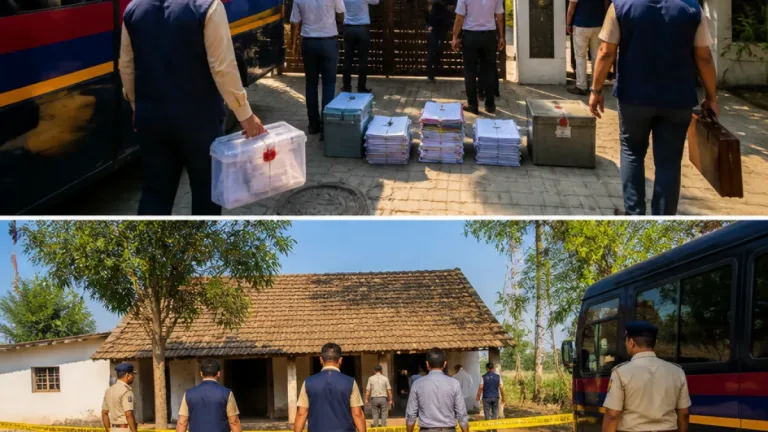
Transport Commissioner Rajesh Narvekar has ordered a detailed probe to examine the role of individual officers, the modus operandi used to bypass rules and the financial extent of the alleged irregularities. Preliminary scrutiny has placed around 20 to 30 RTO officials from various offices under the scanner, the report said. A final report is expected to be submitted to the ministry within a month.
- Rule breached: Initial inquiry found multiple violations of Rule 62(1) of the Central Motor Vehicles Rules, 1989, which governs fitness certification for transport and commercial vehicles.
- Jurisdictional lapses: Fitness certificates that should have been issued by the original registering authority in Maharashtra were reportedly issued through transport offices in other states.
- Safety equipment missing: Several nationally permitted vehicles were cleared without mandatory Vehicle Location Tracking Devices (VLTDs) and other safety or tracking equipment.
According to the Times of India report, investigators uncovered cases where certificates were issued by authorities that had no jurisdiction to certify the vehicles’ fitness, calling into question the legal validity of those clearances. In several instances, vehicles — including buses and other commercial vehicles — were allegedly cleared despite the absence of mandatory safety equipment.
"It is a serious issue and strict action will follow. No compromise will be made on public safety. Any official found guilty after the inquiry will face stringent action," said State Transport Minister Pratap Sarnaik.
The transport commissioner’s office will scrutinise the entire chain of events: who authorised inspections, how physical checks were conducted or waived, whether paper records were altered and whether fitness certificates were back‑dated or processed through alternate jurisdictions to conceal non-compliance. The probe will also attempt to quantify monetary transactions if any were involved, the report added.
Local impact and enforcement questions
For Mumbai commuters and freight operators, the findings raise questions about the fitness of commercial vehicles that ply city roads and highways. Fitness certificates are central to ensuring that transport and commercial vehicles remain roadworthy and that mandatory safety devices — such as VLTDs and speed-governors for certain categories — are fitted and functioning.
Officials told the Times of India that the preliminary inquiry flagged instances where nationally permitted vehicles obtained clearances without VLTDs, increasing the risk of unmonitored or unsafe vehicle movement across state borders. The report said some certificates were obtained from transport offices outside Maharashtra, making their validity questionable under state registration norms.
| RTOs named | Alleged issues |
|---|---|
| Andheri, Wadala, Thane, Vashi (and five other RTOs) | Certificates issued bypassing Rule 62(1); missing VLTDs; jurisdictional irregularities |
The transport commissioner’s final report, expected in about a month, will be sent to the ministry for further action. The nature of any disciplinary measures or criminal proceedings will depend on the probe’s findings and legal advice on breaches of CMVR and related laws.
Maharashtra’s transport department has in recent years emphasised stricter enforcement of safety norms — particularly for heavy commercial vehicles and stage carriage buses — following several road accidents that exposed lapses in compliance. This new inquiry increases pressure on RTOs across the MMR to demonstrate transparent procedures and stronger internal controls.
Residents and civic groups in Mumbai and adjoining suburbs are likely to watch the probe closely, given the potential consequences for public safety and for the regulation of inter‑state commercial traffic that moves through the city’s ports, warehouses and logistics corridors.