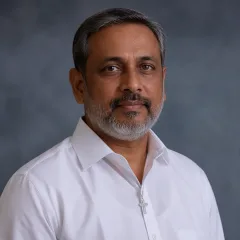
Thiruvananthapuram: Kerala University Vice-Chancellor Mohanan Kunnummal on Saturday courted controversy by saying that those who oppose chanting the national song ‘Vande Mataram’ “do not know who their mother is”. The remarks were made while he addressed an RSS youth meet, Sankalp 2026 Yuva Sangamam, at Manivila in the city.
Remarks revive debate on symbolism and campus politics
In his address, Kunnummal linked the idea of Bharat Mata and family responsibility for raising children to the use of the national song, saying the nation is seen as a mother and that this understanding makes citizens inclined to recite or sing Vande Mataram. He emphasised that parents — both men and women — bear responsibility for nurturing children into “brilliant” and “exemplary” citizens, and suggested that this duty is especially incumbent on women because India is traditionally regarded as a mother.
“That is why when we pray, we say ‘Vande Mataram’. It is our mother. That is why we say and sing ‘Vande Mataram’,” he said.
Kunnummal then asserted that people who object to saying the song were those who “do not know who their mother is.” The vice-chancellor’s comments come amid heightened scrutiny in Kerala over the perceived proximity of university vice-chancellors to the RSS and other ideological groups.
Student bodies and political fronts respond
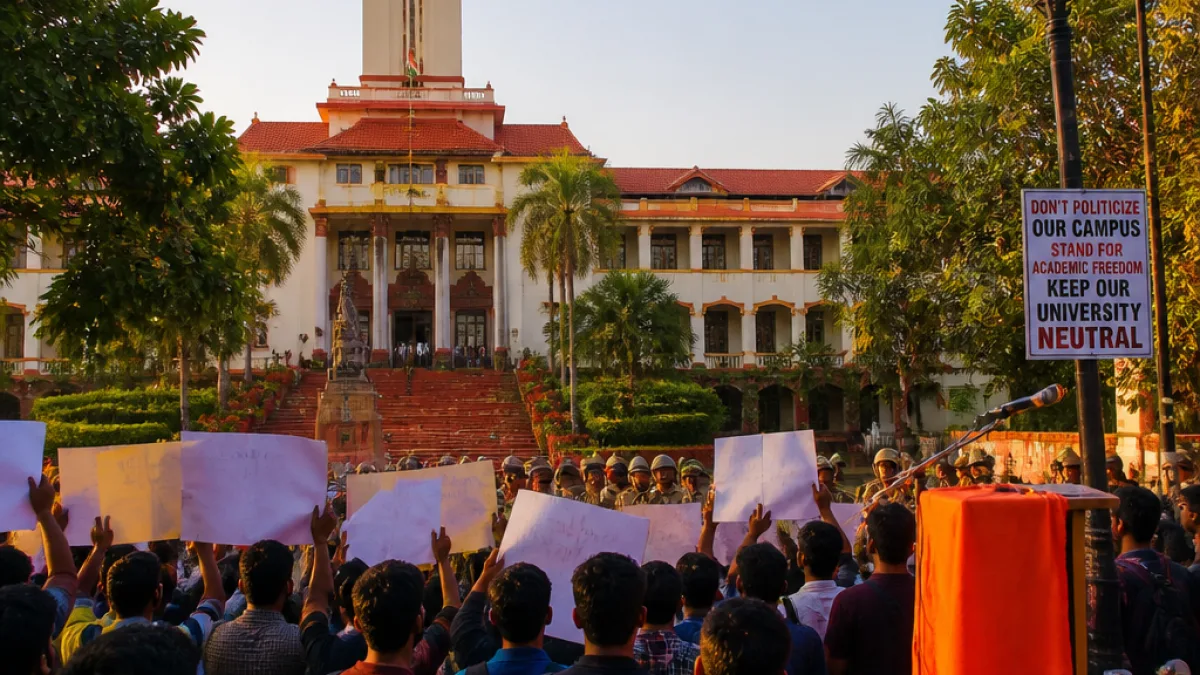
Student organisations including the Students' Federation of India (SFI) and the Kerala Students Union (KSU) have voiced concerns that Kunnummal is attempting to advance an RSS agenda within the university. Both groups have previously criticised participation by university administrators in events linked to ideological organisations.
The controversy also feeds into a wider political argument in the state over the Governor’s role as Chancellor of universities and the manner in which vice-chancellors are appointed. Opposition from both the Left Democratic Front (LDF) and the United Democratic Front (UDF) has focused on what they describe as attempts to saffronise institutions of higher learning through controversial appointments.
Context: state protocol and national directives
The remarks arrive against the backdrop of a separate dispute over the recitation of Vande Mataram at official ceremonies. The state government did not include the song in its Independence Day programme this year despite a directive from the Union government, an issue that has already prompted public debate.
| Issue | Detail |
|---|---|
| Event | Sankalp 2026 Yuva Sangamam, RSS youth meet, Manivila |
| Speaker | Kerala University Vice-Chancellor Mohanan Kunnummal |
| Key claim | Those opposing singing Vande Mataram “do not know who their mother is” |
- Student reaction: SFI and KSU allege the vice-chancellor is promoting an RSS line within the university.
- Political angle: LDF and UDF have criticised appointments to university posts, raising concerns about the Governor’s role as Chancellor.
- Administrative concern: Participation of VCs in events linked to ideological outfits has been a recurring flashpoint in Kerala.
What this means for university governance
The statement renews questions about the neutrality expected of vice-chancellors, who are conventionally seen as stewards of academic institutions and guardians of campus plurality. In Kerala the Governor serves as Chancellor and selects VCs, a process that has repeatedly drawn political commentary from successive state governments. Critics argue that such appointments should be insulated from partisan influence to preserve academic freedom and institutional autonomy.
Supporters of Kunnummal’s remarks might argue that expressing cultural or national sentiment at public events is within the purview of an academic leader; detractors see a blurring of administrative responsibility and ideological advocacy. The incident is likely to prompt further comment from political parties, student groups and academic associations in the coming days.
At present there has been no formal response from the university registry or the Governor’s office recorded in connection with the speech. Student groups have signalled their intent to press the issue through campus protests and representations to university authorities.
The episode illustrates how cultural symbols such as Vande Mataram continue to be contested in Kerala’s public life and how university leadership often becomes a focal point for wider political debates.