
Kerala observed the birth anniversaries of two pioneering social reformers on Friday as the state remembered the contributions of Sree Narayana Guru and Ayyankali to social justice, equality and education. Political leaders across the spectrum paid homage, underscoring the continuing resonance of the reformers' ideas in contemporary public life.
Political tributes highlight reformers' enduring legacy
Chief Minister V D Satheesan described both leaders as among the state's foremost revolutionaries, emphasising that their influence rested not only on rhetoric but on action. In a social media post, the Chief Minister said the teachings of Sree Narayana Guru were rooted in universal humanism and practical example.
“Man is above caste and religion,” Satheesan said, adding that the Guru’s life illustrated ideals translated into practice.
Satheesan also pointed to Ayyankali’s role in encouraging marginalised communities to adopt education as a route to social mobility. He said the reformer's persistent fight against caste discrimination and for equal rights continued to inspire contemporary movements for social justice.
Leader of the Opposition Pinarayi Vijayan reflected on Sree Narayana Guru’s challenge to entrenched social hierarchies and his efforts to dismantle caste-based dominance. In a separate post, Vijayan noted that the Guru promoted a vision in which humanity transcended divisive identities and laboured to create a more equitable social order.
Commemoration programmes across the state
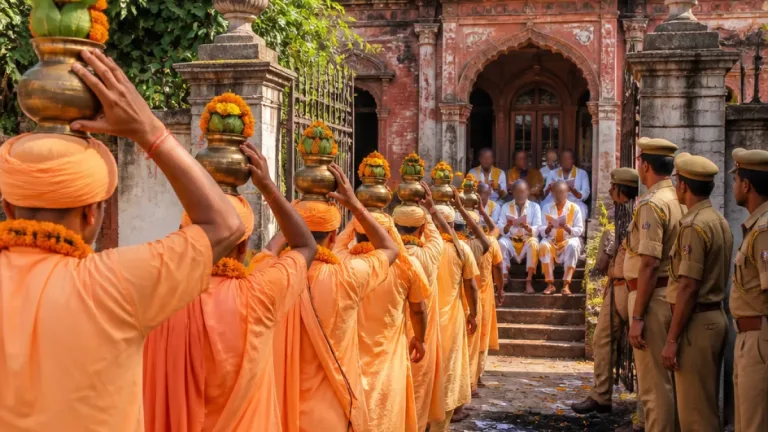
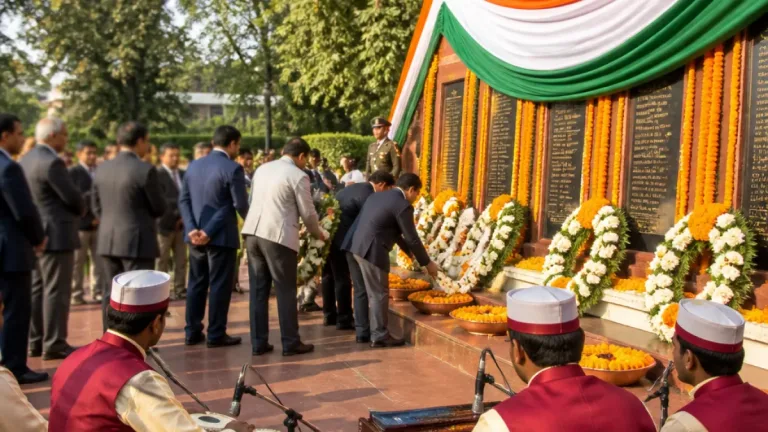
Multiple programmes were held in various localities to mark the 171st birth anniversary of Sree Narayana Guru and the 163rd birth anniversary of Ayyankali. Events ranged from prayer meetings and public meetings to seminars discussing their teachings and contemporary relevance.
- Leaders from different political parties offered tributes and recalled specific contributions of the reformers.
- Civil society groups and educational institutions organised discussions on caste, social reform and the role of education.
- Local commemorations included cultural performances and readings of the reformers' messages.
Why the anniversaries matter today
Sree Narayana Guru and Ayyankali occupy central places in Kerala’s modern social history. The Guru’s call for a society where humanity supersedes caste and religion helped catalyse movements against discrimination; Ayyankali’s campaigns opened educational access for oppressed communities and asserted labourers’ rights. Political leaders’ public tributes on anniversaries highlight how these historical interventions continue to inform contemporary debates on equality, social welfare and education policy.
| Reformer | Anniversary marked | Primary contribution |
|---|---|---|
| Sree Narayana Guru | 171st | Promotion of universal humanism; challenge to caste hierarchies |
| Ayyankali | 163rd | Advocacy for education and rights of marginalised communities |
While both leaders lived and acted in a very different social and political milieu, officials and commentators said their core messages — equality before the law, the primacy of education and the need to oppose social exclusion — remain pertinent in Kerala's policy and public discourse.
Political responses to these anniversaries tend to combine homage with reminders about current policy priorities. In recent years, successive governments have invoked the legacies of social reformers when outlining plans on education, welfare schemes and measures intended to reduce social exclusion. The statements from Satheesan and Vijayan on Friday followed this pattern, placing the reformers’ teachings in the context of present-day governance and social challenges.
Commemorative events on such anniversaries typically draw representatives of political parties, educational institutions and social organisations, and provide space for debates on how to further the unfinished work of social reform. Observers say these occasions are also occasions for renewed emphasis on inclusive policies and the role of the state in addressing structural inequities.
As Kerala marked these anniversaries, the public remembrances and official tributes served both as recognition of the reformers’ historic achievements and as prompts for continuing dialogue on social justice, education and community empowerment.