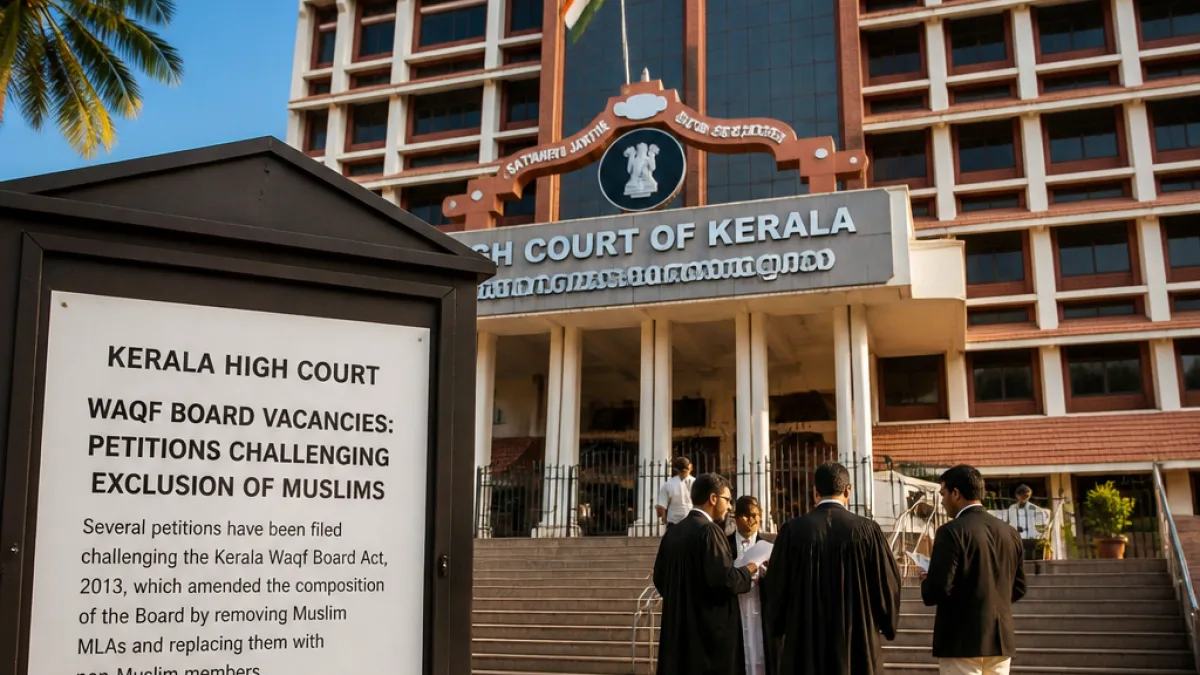
KOCHI: The Kerala High Court on Wednesday directed the state government to fill vacant posts on the State Waqf Board within six weeks, a move that could reshape the functioning of the statutory body which administers waqf properties and related affairs in the state.
Bench orders quick action on constitution
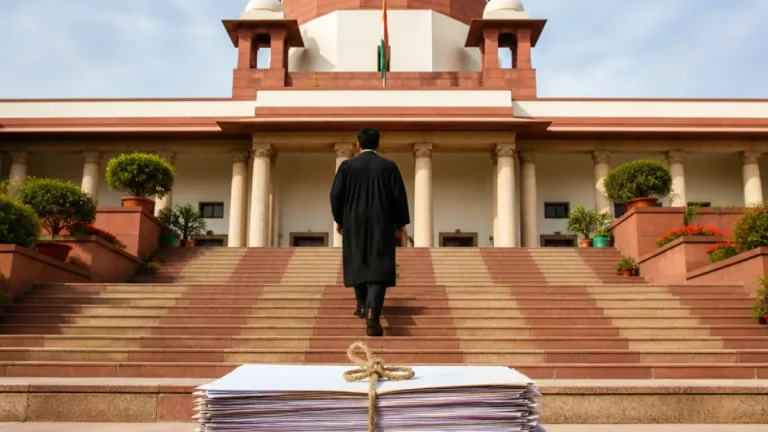
A Division Bench composed of Chief Justice Soumen Sen and Justice Syam Kumar V M issued the direction while hearing a batch of public interest litigations challenging the legality of the Board's functioning due to unfilled seats. The petitions include one filed by BJP leader Shone George.
"The government was directed to take 'expeditious steps' to fill the remaining vacancies in the Board and any other decisions it may deem fit regarding constitution of the statutory body," a court source said.
The court, however, declined at this stage to adjudicate on whether the Board must be reconstituted under the amended Waqf Act. It listed the matter for further hearing on September 30.
Government response and demographic exercise
During the hearing, Advocate General Jaju Babu informed the Bench that the question of appointing non-Muslim members to the Waqf Board — as envisaged under section 14 of the Unified Waqf Management, Empowerment, Efficiency and Development Act, 1995 — is under consideration by the Supreme Court. The AG said the state would comply with judicial direction once higher-court guidance is available.
The state government's affidavit further said that representation for specific Muslim sub-groups — including Shia, Sunni, Bohra, Aghakhani and backward-class Muslims — could only be finalised after determining their numbers in Kerala. Accordingly, instructions have been issued to the Chief Executive Officer of the State Waqf Board to carry out a detailed enumeration of these communities.
Why the composition matters
The composition of the State Waqf Board is governed by central and state laws and is intended to ensure representation across communities and interests involved with waqf properties. Vacancies and disputed appointments have repeatedly led to litigation in several states, with petitioners arguing that statutory bodies must reflect the diversity and legal prescriptions that underpin their mandate.
Petitions before the Kerala High Court asserted that the present Board lacked the required non-Muslim members and thus its decisions were vulnerable to challenge. The Bench, while not pronouncing on the ultimate legality of the Board's current constitution, pressed the government to act to fill the outstanding posts.
Deadlines and next steps
The court has given the state government six weeks to take necessary steps. It also asked that any intermediate decisions regarding constitution or appointments be taken in the meantime. The matter is due back before the Bench on September 30.
| Action | Timeline |
|---|---|
| Government to fill Waqf Board vacancies | 6 weeks from Aug 19 |
| Next court listing | September 30 |
Administrative and legal considerations
The government's position underscores two legal threads: the Supreme Court's consideration of non‑Muslim membership under the Waqf Act provision, and the state's internal exercise to quantify sub‑community populations for representational purposes. The enumeration exercise is being conducted through the State Waqf Board's CEO, the affidavit stated.
Filling the vacancies may require co‑ordination with the state government departments, legal vetting to conform with the central Act and any interim guidance from the Supreme Court. The court's direction for "expeditious steps" places administrative urgency on these procedural tasks.
Implications for stakeholders
Stakeholders in the waqf ecosystem — trustees, beneficiaries, community representatives and local administrations that engage with waqf properties — will be watching the process closely. The reconstitution or completion of the statutory Board could affect pending approvals, management decisions and dispute resolution relating to waqf assets.
- Legal: Supreme Court consideration of non‑Muslim membership may set a binding precedent.
- Administrative: State must complete demographic determination for sub‑community representation.
- Operational: Filling vacancies could restore quorums and enable Board functioning without challenge.
The High Court's directive seeks to bring procedural regularity to an institution that manages significant community assets and has been subject to judicial scrutiny in several jurisdictions. The government's compliance and the outcome of the September 30 hearing will determine the next phase in this contested administrative matter.