The Indian Railway Catering and Tourism Corporation (IRCTC) has stepped up inspections in the Chandigarh region, inspecting trains and static catering outlets to enforce compliance with prescribed catering standards and curb the sale of unauthorised food and beverage products.
Scope of inspections and enforcement action
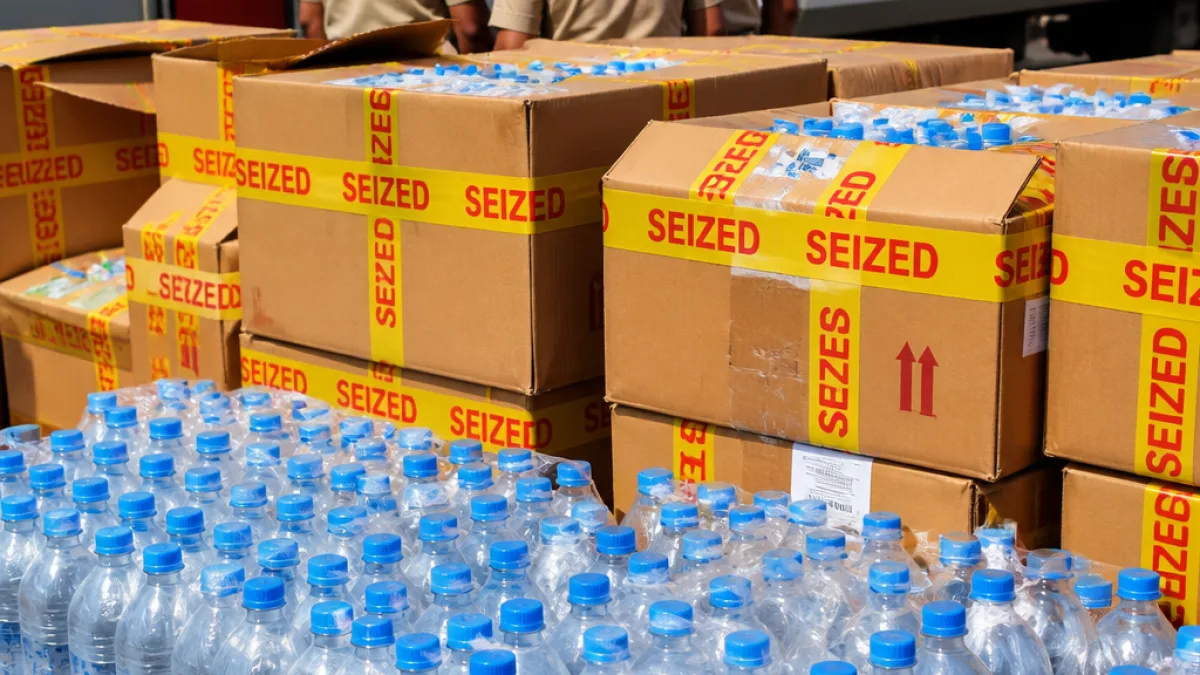
According to IRCTC officials, Quick Response Teams (QRTs) formed in coordination with the Railways’ Commercial Department carried out checks across trains and stations in the region. During the latest week-long drive, the IRCTC Regional Office, Chandigarh inspected 51 trains operating through Ambala, Ludhiana, Amritsar, Katra and Jammu, seizing 3,108 bottles of packaged drinking water that did not bear IRCTC approval.
The QRTs also conducted surprise checks of static catering units under the Chandigarh Regional Office’s jurisdiction. On August 10, a team led by the Chief Regional Manager (CRM), Chandigarh, seized 13 cartons of unauthorised products — including ice-creams and flavoured milk — at Ambala. A separate inspection at Saharanpur Railway Station led to seizure of unauthorised ice-creams, beverages and packaged drinking water.
Teams, targets and compliance checks
IRCTC said the inspections focused on the sale and stocking of unapproved packaged drinking water (PDW), other food and beverage products that do not conform to prescribed standards, and adherence to licensing and authorisation conditions. The teams also checked compliance with hygiene and food-safety norms at catering units.
QRTs were reported to be headed by the CRM and the Joint General Manager (JGM), IRCTC, Chandigarh, and worked in coordination with the railways’ Commercial Department for onboard and station-level checks.
Enforcement beyond Chandigarh
The enforcement drive is not restricted to Chandigarh. In the Lucknow region, Commercial Department inspections between July 28 and August 8 covered 117 trains and led to seizure of 5,241 bottles of packaged drinking water bearing unapproved brands. The IRCTC team also detected loading of unauthorised PDW and buttermilk during a surprise inspection of Train Side Vending (TSV) operations at Sabarmati BG Railway Station on Train Nos. 19223 and 19031.
| Region/Station | Trains inspected | Unauthorised PDW seized | Other items seized |
|---|---|---|---|
| Chandigarh region (Ambala, Ludhiana, Amritsar, Katra, Jammu) | 51 | 3,108 bottles | Ice-cream, flavoured milk (13 cartons at Ambala) |
| Lucknow region | 117 | 5,241 bottles | — |
| Sabarmati BG (TSV operations) | — | Detected loading of unauthorised PDW, buttermilk | — |
Why the drive matters for passengers
Packaged drinking water and food sold onboard trains or at station units must comply with IRCTC-approved branding and labelling, licensing conditions and food-safety norms. Sale of unapproved items raises concerns about product authenticity, storage conditions and expiry management — issues that directly affect passenger health and consumer rights.
- Passengers should purchase PDW and food from authorised IRCTC vendors or units displaying valid licence and approval marks.
- Look for clear labelling and manufacturing/expiry dates on packaged products; avoid products that appear repackaged or unstamped.
- Report suspected unauthorised sales to onboard train staff, the station manager or IRCTC helplines.
Official oversight and next steps
IRCTC’s use of QRTs and joint action with the Commercial Department underlines a continuing enforcement push ahead of the lean and peak travel seasons. Officials said the drive will continue and be periodically extended to other regions, with surprise inspections of both Train Side Vending operations and static catering units.
While the immediate action has been seizures of unapproved stock, follow-up may include cancellation of licences, show-cause notices and coordination with local authorities for further legal or regulatory action where needed.
The intensified checks aim to reinforce compliance with food-safety and hygiene norms, protect passengers from substandard or counterfeit products, and ensure that revenue and quality standards for authorised vendors are maintained across the railway network in the northern region.