Statewide rail food checks reveal multiple violations, officials to initiate legal action
A special food safety inspection carried out on August 20 across railway premises in Karnataka detected a string of infringements ranging from expired dairy products to suspected use of non-permitted food colours and unhygienic cooking conditions, officials said on Thursday.
The exercise examined 112 food establishments operating at 36 railway stations in the State, including major nodes such as Bengaluru (KSR), Yeshwanthpura, KR Puram, Yelahanka, Kolar, Mysuru, Haveri, Udupi, Hubballi and Mangaluru, the officials said. The drive also covered food served on trains, including Vande Bharat Express services between Mangaluru and Kerala and between Hubballi and Bengaluru.
While inspectors reported that the trains themselves were being maintained in a clean and hygienic condition, several irregularities were detected at station kitchens, hotels and food outlets run on railway premises.
| Metric | Figure |
|---|---|
| Railway stations inspected | 36 |
| Food establishments checked | 112 |
Among the violations recorded, inspectors alleged the use of non-permitted food colours — yellow colouring reportedly found in jalebis and pink colouring detected in khoa peda — and recovery of expired dairy products at outposts in Haveri district, where Nandini curd and Dodla standardised milk packets were seized, the officials said.
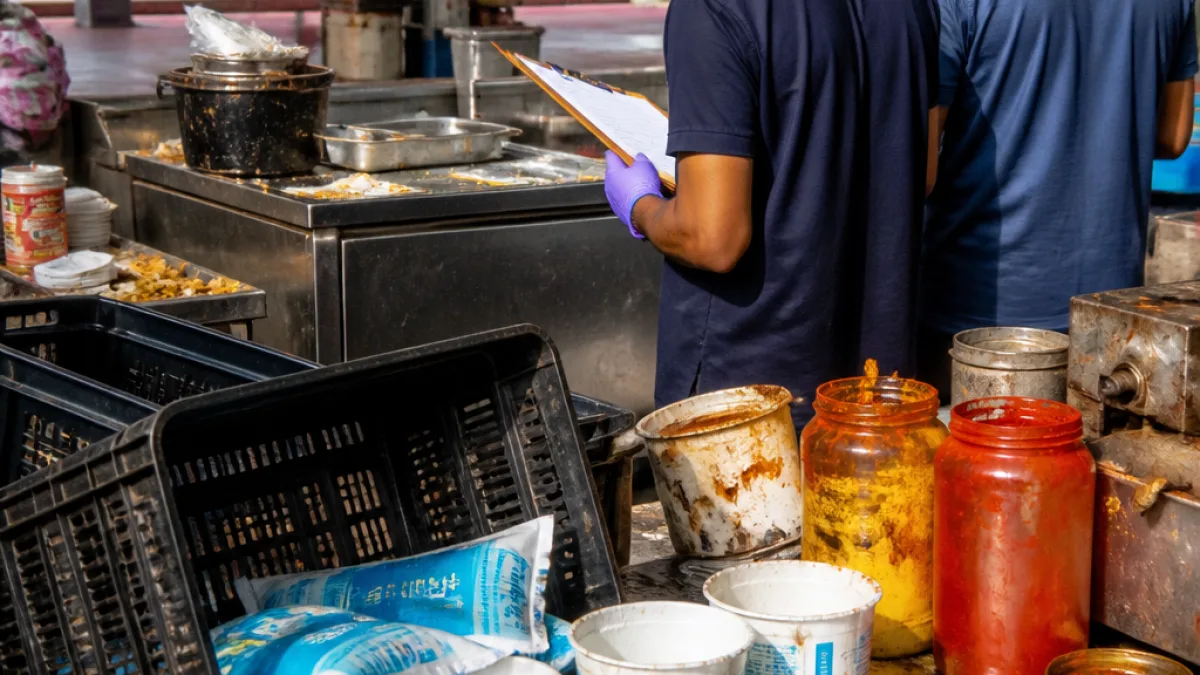
At KR Puram Railway Station, a hotel run within railway premises was found operating in unhygienic conditions, while at Mysuru Railway Station idlis were reportedly being prepared using plastic material. Inspectors also discovered expired items in a kitchen and noticed fungal growth on onions and other vegetables at some establishments.
- Chutney and other perishables were found stored in plastic buckets deemed unsuitable for food storage.
- Instances of improper food storage and labelling lapses were recorded.
- Food handling and kitchen hygiene deficiencies were observed at multiple locations.
Officials said the findings would be formally communicated to railway authorities and the concerned Designated Officers for follow-up action. They added that legal proceedings would be initiated against food business operators found violating prescribed food safety standards.
The inspections were part of a focused drive to assess food quality, hygiene, storage practices, labelling and handling at hotels, railway pantries and outlets operating on railway property. The scope included both stationary outlets on platforms and packaged or served food on select passenger services.
Food safety officials declined to quantify the number of prosecutions immediately but indicated that the statutory process would be followed, with evidence compiled during the inspections to be forwarded to relevant enforcement authorities and Designated Officers assigned under the food safety regime.
Railway stations are high-footfall public spaces in Karnataka, serving daily commuters, long-distance passengers and pilgrims. Observers say lapses in storage, the use of non-permitted additives and unhygienic preparation can pose acute public-health risks, particularly in a tropical climate that accelerates spoilage.
Commuters and other railway users seeking practical safeguards should note the following recommended precautions until corrective action is completed at the flagged outlets:
- Avoid consuming perishable dairy items and ready-to-eat foods from outlets showing visible unhygienic conditions.
- Prefer sealed, labelled packaged products from reputed brands when buying en route.
- Report suspected food-safety lapses to station authorities or the Food Safety Department; retain bills or packaging as proof when lodging complaints.
The exercise follows broader concerns over food safety in public-catering spaces and underscores the need for regular surveillance, strict storage controls and training of food handlers. Officials said the current findings would inform subsequent inspections and enforcement action on railway premises across the State.
Further updates are expected after the formal communication with railway authorities and the completion of legal and administrative proceedings against the food business operators implicated in the drive.