Namchi, Sikkim: Documents examined by reporters indicate that NHPC was aware of methane leakage on the site of the 500‑MW Teesta VI hydropower project before a deadly explosion in the head‑race tunnel on July 20 that left multiple workers dead.
What happened on July 20
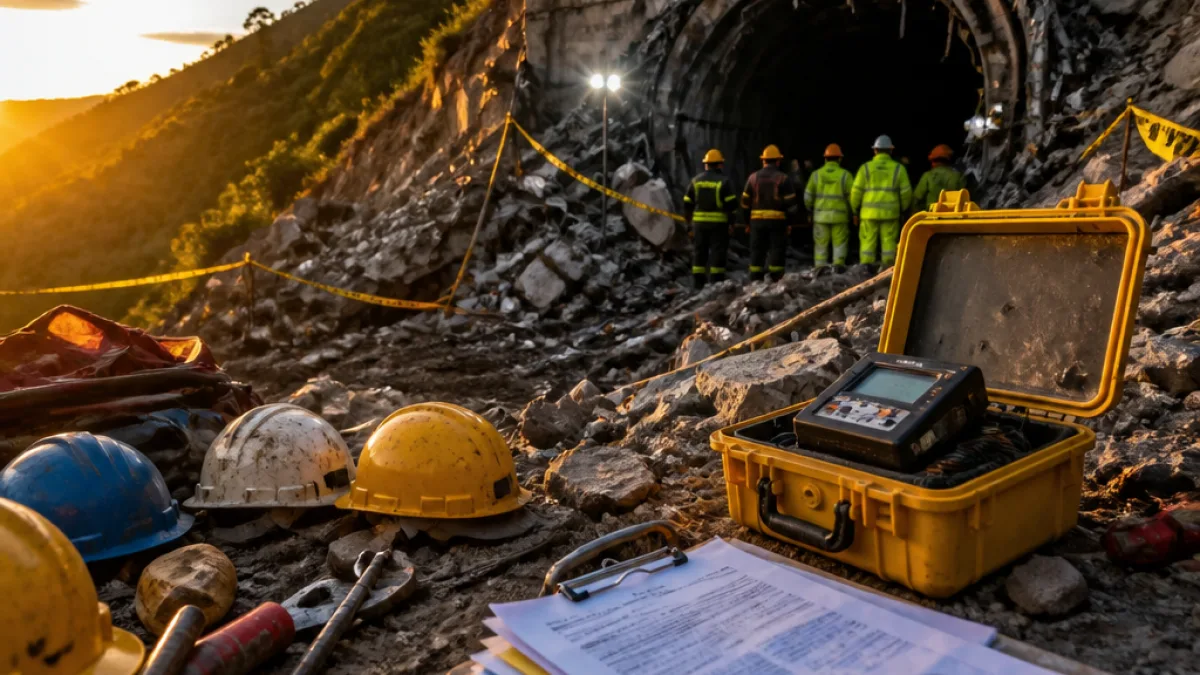
In the afternoon of July 20, an explosion occurred inside the head‑race tunnel under construction in Namchi district. The head‑race tunnel channels water to turbines and is a key component of the hydropower scheme.
Workers present at the site described being thrown roughly two metres by the force of the blast and smelling gas immediately afterwards. NHPC, the public sector company constructing the project, said in a press release that the explosion followed a “sudden burst of suspected methane gas trapped inside the rocks which led to an explosion generating dense fumes and toxic gases”.
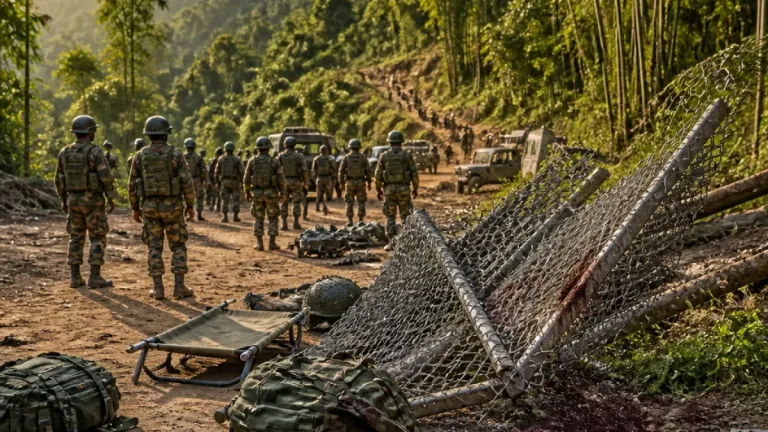
The detonation triggered a rockfall that blocked the tunnel opening and trapped workers inside. Immediate rescue operations were launched and concluded on the third day; there were no survivors.
Prior incidents and company documents
The documents reviewed by reporters show that the site had experienced at least one earlier methane incident in January, when excavation work led to a “sudden leakage of flammable methane gas” and several workers sustained burn injuries. Those records indicate the presence of methane was a known hazard at the site months before the July blast.
Despite this, further internal documents suggest the project lacked adequate infrastructure to manage methane risks by July. Ten days prior to the accident, NHPC floated a tender seeking firms and experts to provide services including methane detection, monitoring and provision of ventilation. In June, the company issued a separate tender for two “methanometers‑cum‑toximeters” intended for the same tunnel — devices the company’s safety manual describes as necessary to detect methane levels and prevent explosive atmospheres.
Safety measures and the gap
The chronology in company papers points to recognised risks but also to implementation delays. Tendering for monitoring and ventilation services shortly before the accident implies detection and mitigation systems were not fully operational at the time of the blast.
- January: Documented leakage of flammable methane during excavation; burn injuries sustained by several workers.
- June: Tender issued for two methanometer‑cum‑toximeters for the tunnel.
- Early July: Tender floated for expert firms to provide methane management, monitoring and ventilation services.
- 20 July: Explosion in head‑race tunnel; rescue operations concluded on third day with no survivors.
NHPC response and ongoing probe
In a public statement following the accident, NHPC said it was conducting a “detailed investigation” to determine the cause. The company attributed the blast to a sudden release of suspected methane trapped in the rock formation, which generated dense fumes and toxic gases.
“A sudden burst of suspected methane gas trapped inside the rocks which led to an explosion generating dense fumes and toxic gases.”
The company has not yet publicly released the findings of the internal investigation. The documents examined indicate bids had been sought for detection and mitigation equipment, but they do not demonstrate when — or whether — that equipment was installed and commissioned prior to the July incident.
Worker safety and accountability questions
The incident has raised questions about workplace safety and risk‑management at large civil works projects in the Himalayan region, where geological methane pockets can pose hazards during tunnelling. The records point to known hazards that required active management through detection, ventilation and operational procedures.
Rescue teams were able to commence operations immediately after the blast, but the rockfall that followed left the tunnel entrance blocked and complicated access. Officials completed rescue efforts on the third day, by which time they reported no survivors among those trapped.
Wider implications
The Teesta VI project is a major hydropower installation intended to add 500 MW to the grid. Beyond the immediate human toll, the incident is likely to prompt scrutiny of safety practices, contract management and timelines at the project. The presence of methane in tunnel works necessitates robust, proactive measures — including continuous gas monitoring and adequate ventilation — rather than reactive procurement alone.
| Item | Detail |
|---|---|
| Project | Teesta VI hydropower project (500 MW) |
| Location | Head‑race tunnel, Namchi district, Sikkim |
| Date of blast | 20 July |
| Known earlier incident | January — sudden methane leakage; burn injuries reported |
| Company | NHPC (public sector) |
Investigations by authorities and the NHPC’s internal probe will be central to establishing whether procedural lapses, equipment delays or other failures contributed to the tragedy. The documents reviewed underline the need for timely installation of gas‑detection and ventilation systems where geological risks are known.
Further official details, including the final investigation report and any regulatory or legal actions, are awaited.