Mumbai special NIA court finds Amravati killing aimed at spreading terror
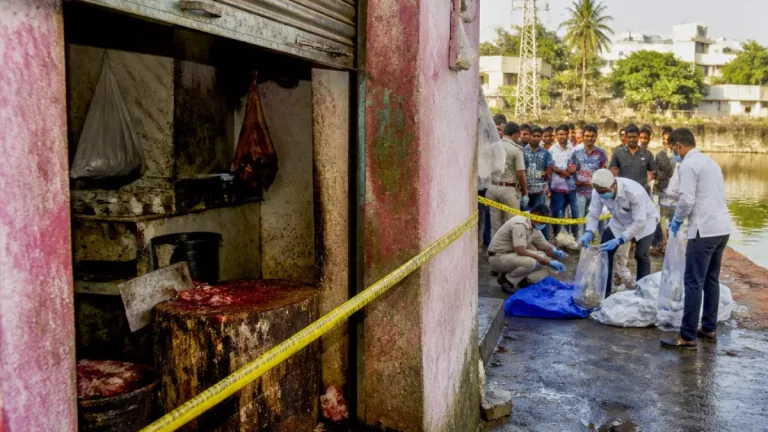
Mumbai/Amravati — A special National Investigation Agency (NIA) court on Tuesday held that the June 2022 killing of Amravati veterinary medical shop owner Umesh Kolhe was intended to strike terror among people who had supported former BJP spokesperson Nupur Sharma, and therefore fell within the definition of a terrorist act under the Unlawful Activities (Prevention) Act (UAPA). The court rejected the bail application of accused Abdul Arbaz Abdul Salim.
Court findings and reasoning
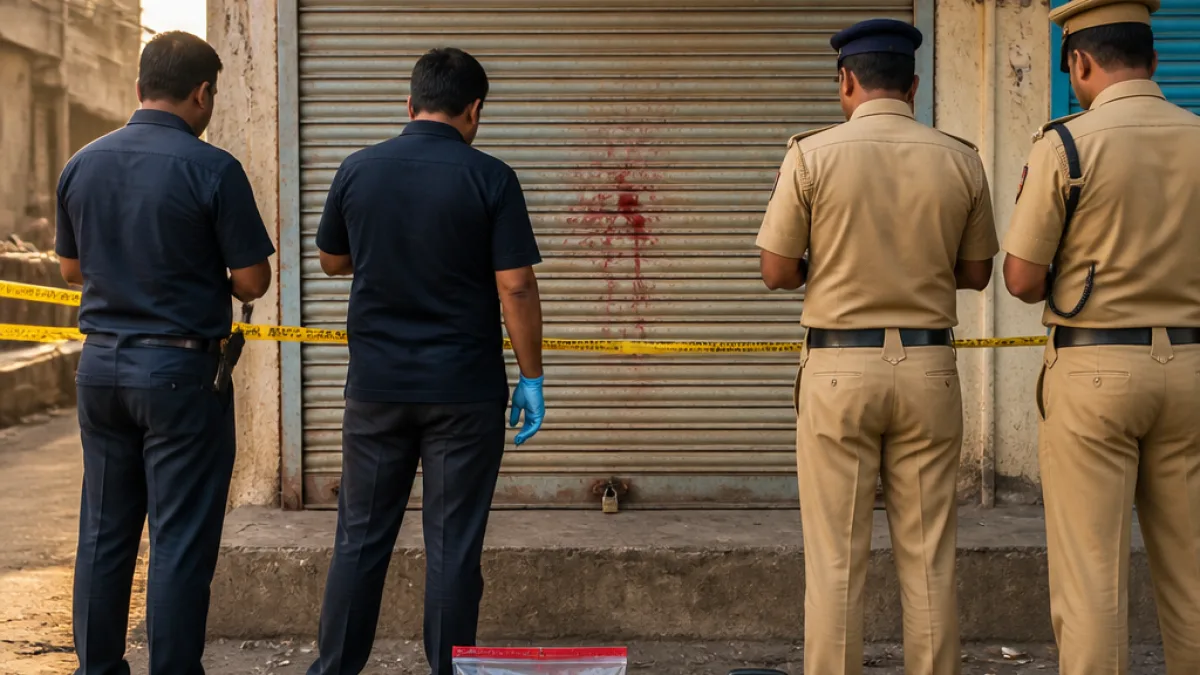
Special judge Chakor S Baviskar said the prosecution material indicated pre-planning and coordination: the accused had carried out reconnaissance, monitored Kolhe's movements, procured weapons and assigned roles before the killing on June 21, 2022. The judge observed there had been prior threats against people who supported Sharma and a failed attempt on Kolhe the day before the murder.
- The court found an intent to "wreak revenge" and to "strike terror" among supporters of Sharma.
- It noted that although no explosives were used, knives qualified as "lethal weapon[s]" capable of causing death.
- The judge said the accused allegedly participated in planning a murder at a meeting following an earlier failed attempt on June 20, 2022, and later assisted the assailants to escape.
"The incident of murder of Umesh Kolhe is not a flare up in the wrecked moment. No. It is determined to wreak revenge," the court observed.
Legal context and charges
The court applied the UAPA provisions to the facts before it despite defence arguments that Section 15 had not been specifically invoked in the chargesheet. The judge said the defence had read the provisions selectively and that the alleged intention behind the killing — to terrorise a section of the public for having supported remarks by a public figure — fell within the UAPA's scope.
| Event | Date |
|---|---|
| Controversial remarks by Nupur Sharma | 27 May 2022 |
| Failed attempt on Kolhe | 20 June 2022 |
| Murder of Umesh Kolhe | 21 June 2022 |
Prosecution allegations and accused's role
According to prosecution submissions reported in court, the chain of events began after the controversy over comments made by Sharma during a television debate on May 27, 2022, which triggered protests and complaints nationwide. In Amravati, the prosecution said, threats were made against individuals who backed Sharma.
The prosecution told the court that Abdul attended a meeting after the failed attempt on June 20 where a plan to kill Kolhe on the following day was finalised. After the killing on June 21, the prosecution alleged, Abdul helped the assailants escape and dropped them off at a location — details of which were part of the charge material presented to the court.
Local implications
The court's characterisation of the Amravati killing as a terrorist act under the UAPA elevates the case beyond an individual homicide to an offence with potential communal and political implications. The findings reference a sequence of threats purportedly linked to reactions over public comments made by a national-level political spokesperson.
Residents of Amravati and surrounding Vidarbha have followed the matter closely since 2022, given the unusual targeting of a local shop owner over political commentary aired on television. The special court's ruling on the nature of the offence may affect the continuing legal process, appeals and how investigative agencies frame charges in similar cases with alleged motives tied to public speech and reprisals.
The court's order rejecting bail for Abdul is part of the ongoing adjudication; further proceedings on the charges remain under the special NIA court's jurisdiction.