VANCOUVER — Players from the Vancouver Goldeneyes spent parts of their off‑season this summer on the ice in a different role: instructors, mentors and local ambassadors for girls’ hockey.
From hometown rinks to city camps
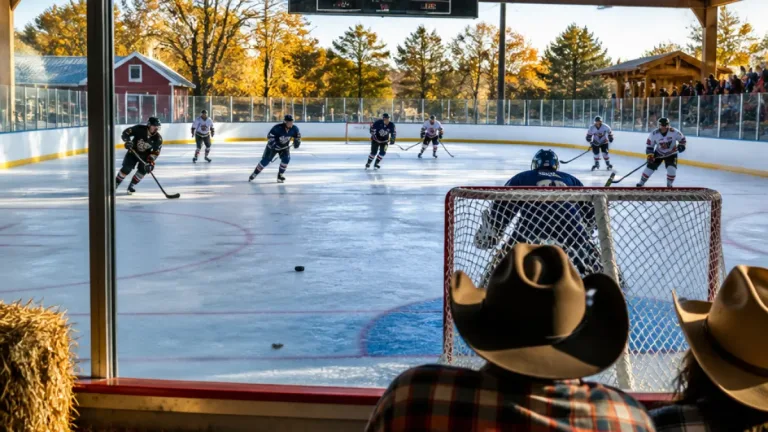
Captain Ashton Bell, a defender from rural Manitoba, has been splitting her break between running a camp near her hometown of Deloraine and coaching sessions in Vancouver. The Deloraine program drew about 80 girls for a week of skating, skill drills, team‑building and sessions on mental performance.
Bell told reporters she believes these camps are vital now that women’s sports are expanding and Vancouver has a professional team. Her presence at grassroots events is intended to let young players interact with pro athletes in person and imagine a longer future in the sport.
Local forward Katie Chan called this week’s Vancouver camp a “full‑circle” experience. Chan, who grew up in nearby Richmond, said it is meaningful to skate with children who played on — or competed against — the same minor teams she knew as a youngster. For many of the players, taking time in the off‑season to connect with community programs is now a priority.
Changing context for girls starting the sport
Several Goldeneyes noted how different the landscape looks now compared with when they were children. Forward Jenn Gardiner observed that young girls entering hockey today grow up with women’s hockey on screen and have role models available nightly, rather than waiting for rare events such as the Olympics.
“It’s just so special to know that these girls who are six, seven, eight years old starting hockey, they only know a world with women’s hockey in it,” Gardiner said.
That visibility, the players say, makes the act of showing up at local rinks critical. Camps include technical instruction such as skating and skills, alongside off‑ice elements like mental performance and team dynamics, intended to support both development and retention in the sport.
- Deloraine camp attendance: approx. 80 girls
- Activities offered: skating, skills, team‑building, mental performance
- Players’ seasonal schedule: extended off‑season before PWHL resumes
Looking ahead to the professional season
The women’s professional schedule remains on pause for several months. The PWHL has not released its 2026‑27 calendar; play will not resume until after the IIHF women’s world championships finish in Denmark on Nov. 16. That means the Goldeneyes will experience a roughly six‑month gap between competitive matches following the end of the international tournament.
On the ice last season, Vancouver finished sixth in the PWHL and did not qualify for the post‑season. Missing the playoffs left a mark on the roster, and players say that sense of unfinished business will be motivation as they head into training and community outreach this summer.
| Season | Vancouver Goldeneyes result | Playoff status |
|---|---|---|
| Inaugural PWHL campaign | Finished sixth | Missed playoffs |
| Summer | Community camps and clinics | Off‑season development |
For coaches and players involved in the camps, the aim is twofold: to improve fundamentals among young participants and to deepen the connection between the professional squad and the community that supports it. That relationship is especially meaningful in Vancouver, where grassroots engagement helps feed both participation and local interest in women’s hockey.
As the pro season remains months away, the Goldeneyes’ visible commitment to local programming underscores a longer‑term strategy: build the game from the ground up while sharpening their own competitive edge. If the camps are any indication, Vancouver’s next generation of girls will have clearer pathways and more role models — and a professional team in the city they can see in person.