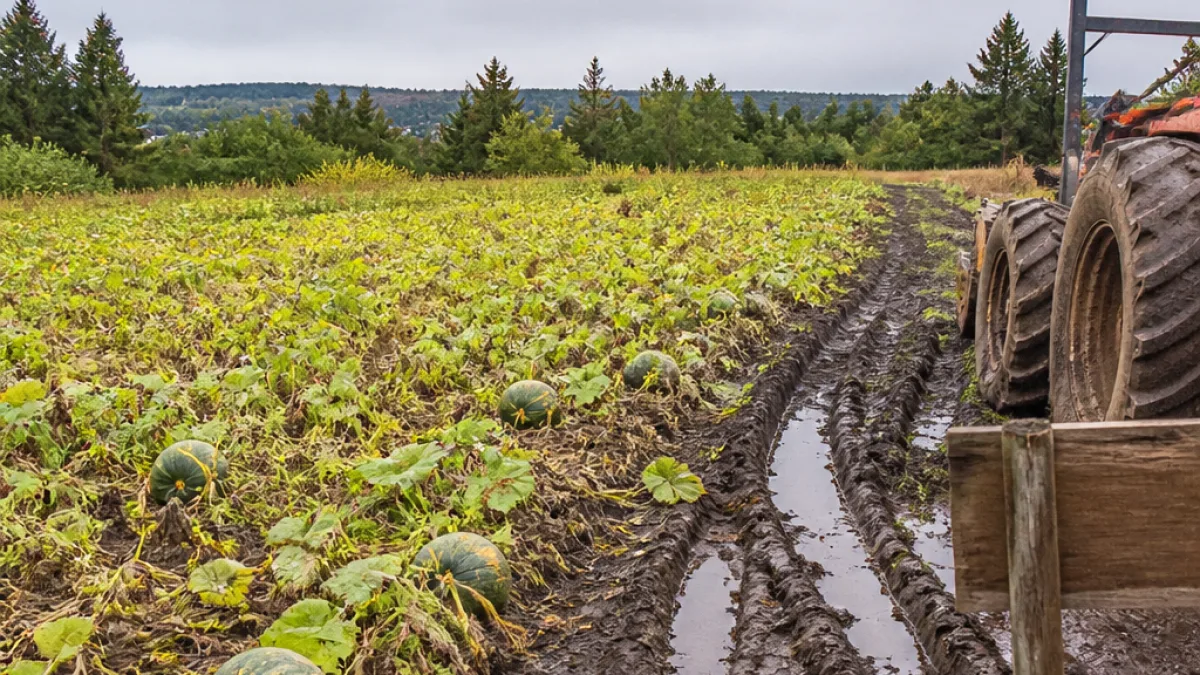
Autumn is the season of pumpkin patches, jack-o'-lanterns and harvest tables — but this year many growers in Newfoundland and Labrador are finding fewer bright orange fruits in their fields and delays in bringing them in. Farmers here say an unusually cold, wet summer has slowed growth, reduced stands and pushed back harvests by days and, in some cases, weeks.
Fields left greener later than usual
At Lester's Farm on the outskirts of St. John's, owner Chris Lester walked a field in late September and found a surprising sight: pumpkins still largely green where, in most years, the vines would already be cleared.
"Here we are at the end of September. We never have pumpkins left in the field this time of year usually."
Lester told reporters the harvest at his farm was roughly two weeks behind what the operation expected. He also said early-season conditions made planting difficult, noting that cold soil and slow growth persisted into July.
Seed losses and smaller yields for some growers
Conception Bay South grower Wandalee Porter reported similar struggles in her patch. Porter said she planted about 3,000 pumpkin seeds this spring but that only a couple of hundred eventually produced fruit.
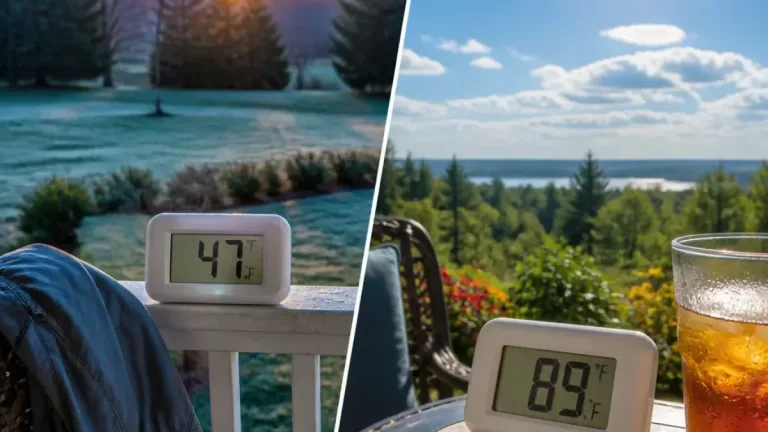
The contrast between this season and 2025 — a year that brought record heat in parts of the province and relatively little rain — was a recurring theme among farmers: one year can be unusually hot and dry, the next cold and wet. For growers who depend on predictable windows to sow, grow and harvest, those swings complicate every step of the operation.
Why this matters locally
Pumpkin season is a visible and social marker in many communities. Beyond carving and pies, pumpkins are part of agritourism at roadside stands and family farms, bringing customers to rural businesses during the fall. Smaller or later crops can mean fewer customers, compressed selling windows and uncertainty about supply for local retailers and community events.
- Delayed harvests: At least one St. John’s-area farm reported being about two weeks behind.
- Seed losses: A grower in Conception Bay South said roughly 3,000 planted seeds yielded only a few hundred plants.
- Seasonal unpredictability: Farmers linked the variability between recent summers to changing weather patterns.
Practical impacts for consumers and farmers
Customers hunting for the traditional round, orange pumpkins for Halloween or Thanksgiving may find fewer choices at some local vendors, or later availability than in typical years. For farms, the seasonality matters: delays can translate into higher labour costs or reduced returns if pumpkins do not ripen in time for peak selling dates.
Some growers adjust planting times or varieties in response to changing conditions, but variability from year to year makes long-term planning difficult. Farmers in the province say they are increasingly watching spring and summer forecasts closely and experimenting with techniques to protect young plants from cold snaps or prolonged wet periods.
What farmers say about the future
Growers who spoke about this season framed it as part of a larger pattern. "The climate is changing," one farmer observed, saying that year-to-year differences are becoming more pronounced. That sentiment underlines concerns about the resilience of small-scale agriculture in coastal and island climates, where weather can turn quickly and where markets are often local.
| Farm | Reported effect |
|---|---|
| Lester's Farm (St. John's) | Harvest ~2 weeks delayed; pumpkins still green late September |
| Conception Bay South patch | ~3,000 seeds planted; only a few hundred plants produced |
For shoppers and community organizers, the immediate takeaway is simple: expect some unpredictability at stands and markets this fall. For farmers, the season highlights the practical challenges of adapting to more variable weather patterns while keeping operations viable.
As the province moves through October, growers will continue to assess what ripens and what is left in the field. For many, the hope is for a few clearer days to finish the work and for customers to keep supporting local farms through an unsettling season.