
Prince Edward Island residents reporting a sudden rise in “rabbits” on their properties are most likely seeing snowshoe hares, and the increase may have a clear explanation: the landscape changes left by post‑tropical storm Fiona.
Garry Gregory, a provincial wildlife biologist with P.E.I.’s fish and wildlife division, says the volume of calls from Islanders concerned about newfound yard visitors has prompted discussions within the department. While there is no formal population monitoring to definitively say hares are more numerous now than before 2022, Gregory said the physical conditions created by Fiona make an increase plausible.
“We certainly get lots of calls about rabbits, and lots of … anecdotal reports of people seeing snowshoe hares in and about their yards and properties,” Gregory said. “To say that it is more than usual would be difficult to say … but certainly we get lots of reports.”
Why Fiona may have helped the hares
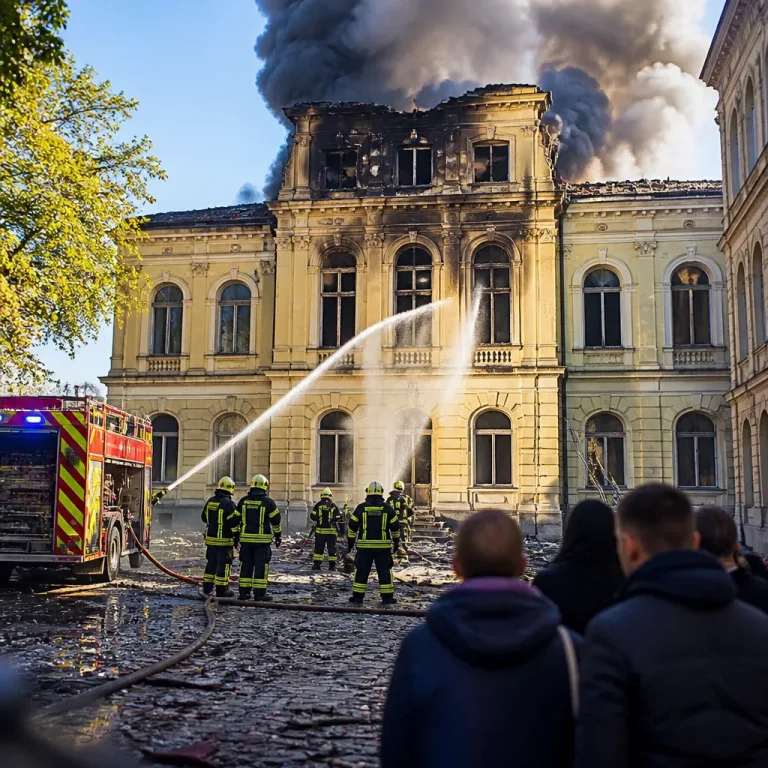
When Fiona swept through Atlantic Canada in 2022, it left behind widespread damage to forests and woodlots. Gregory says that storm‑created debris — downed trees, brush piles and dense deadfall — has produced ideal escape cover for snowshoe hares. Those conditions provide both shelter from predators and additional forage as vegetation regrows among the storm wreckage.
“A lot of the woods … you couldn’t get through it unless you were a snowshoe hare,” Gregory said, describing the immediate post‑storm habitat. The tangled, low cover benefits species that rely on dense understory for protection.
What Islanders are actually seeing
Many callers initially identify the animals as rabbits. That’s important to clarify: rabbits are not native to Prince Edward Island, whereas snowshoe hares are. Observers can distinguish between the two by looking at size, ear length and behaviour — hares are generally larger, have longer ears relative to body size, and are more likely to be found in dense cover.
- Appearance: Snowshoe hares are larger than cottontail rabbits and have large hind feet adapted for moving through snow.
- Habitat: Hares favour dense brush and forest edge habitat, which Fiona created in abundance.
- Seasonal colour: In some regions hares change coat colour seasonally; Islanders should note local patterns.
Limits of current knowledge
While anecdotal reports from homeowners and landowners are useful, Gregory cautioned that they do not replace formal wildlife surveys. The province currently lacks systematic, long‑term monitoring data for snowshoe hare abundance that would allow biologists to quantify a trend island‑wide.
That means researchers and wildlife managers must rely on indirect indicators — damage to habitat, increases in suitable cover, and repeated public reports — to form hypotheses about population changes. Any future management or monitoring decisions would benefit from targeted surveys to establish baseline numbers and track trends over time.
Practical advice for landowners
For Islanders curious about the animals on their properties, or worried about impacts on gardens and shrubs, the wildlife division suggests basic identification steps and simple deterrents. Keeping young saplings protected, using fencing around vulnerable plantings, and leaving natural cover in more remote parts of a property can reduce conflicts while preserving habitat.
Because snowshoe hares are a native species, they play a role in local ecosystems as prey for predators and as agents of vegetation change. Balancing property protection with habitat conservation will be an ongoing consideration for many landowners, especially in areas where storm damage has reshaped the woods.
What’s next
For now, the picture of snowshoe hare numbers on P.E.I. remains partly anecdotal. Biologists like Gregory can point to clear mechanisms — storm‑created cover and regrowth providing food and shelter — that support the idea of a local increase. But confirming a long‑term change in population will require formal study.
| Issue | Current status |
|---|---|
| Reported sightings | Numerous anecdotal reports from Islanders |
| Formal monitoring | Not currently in place for snowshoe hares on P.E.I. |
| Likely cause of increase | Storm debris and regrowth after Fiona creating cover and food |
Islanders with questions about wildlife identification or concerns about interactions with hares can contact P.E.I.’s fish and wildlife division for guidance. Observations from the public will also continue to be a helpful part of understanding how the Island’s flora and fauna are responding in the years since Fiona.