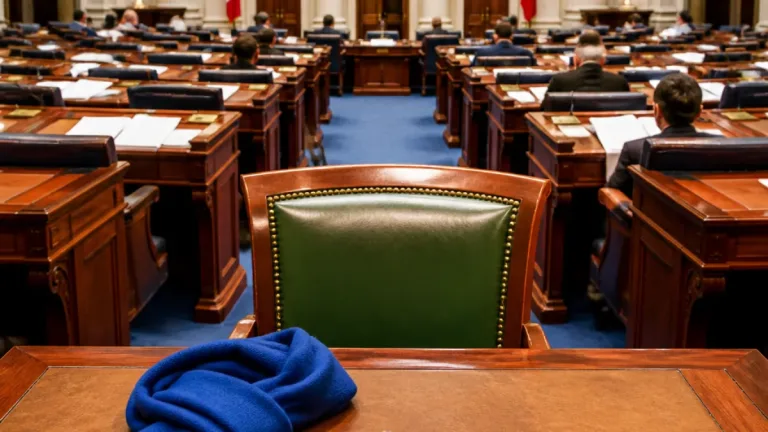

Montreal — Premier Christine Fréchette is scheduled to meet Quebec's lieutenant‑governor, Manon Jeannotte, Thursday morning to formally request the dissolution of the National Assembly and trigger the province's official election campaign.
Formalities that start the campaign
According to the premier's published agenda, a cabinet meeting will be held in Quebec City at 10 a.m., followed by Fréchette's audience with the lieutenant‑governor at 10:30 a.m. She is expected to address the media at 11 a.m. The request for dissolution is the constitutional step that begins the writ period for provincial elections in Quebec.
The campaign will run for 39 days, with the 40th day designated as election day: Monday, Oct. 5. This election will be contested across 127 ridings, two more than the previous legislature, which raises the threshold for a majority government to 64 seats.
What the calendar looks like
| Item | Time / Date |
|---|---|
| Cabinet meeting (Quebec City) | 10:00 a.m., Thursday |
| Premier meets lieutenant‑governor | 10:30 a.m., Thursday |
| News conference | 11:00 a.m., Thursday |
| Campaign length | 39 days |
| Election day | Monday, Oct. 5 |
Political context
This election is the first since 2018 in which voters will choose a government not led by François Legault. Fréchette, who was first elected as an MNA in 2022 for the Sanguinet riding on Montreal's South Shore, won the leadership of the Coalition Avenir Québec (CAQ) in April and succeeded Legault as premier.
She plans to run in her hometown of Trois‑Rivières. Party leaders from across the spectrum are set to embark on campaign tours immediately after the formal launch, deploying buses and local campaign teams to meet voters across the province.
Practical implications for voters
The increased number of ridings to 127 means both parties and electors should take note of changed electoral boundaries and the additional seat required for a majority. Political strategists will be recalibrating where to allocate resources for door‑to‑door canvassing, advertising and get‑out‑the‑vote operations.
- Campaigning begins in earnest after Thursday's formalities; expect policy announcements and leader debates in the weeks ahead.
- With a 39‑day campaign, parties have a compressed window to reach voters across a geographically large and demographically diverse province.
- Voters should check advance polling dates and the location of their polling station as electoral maps and candidacies are finalised.
What to watch for during the campaign
Key issues likely to dominate include health care, the cost of living, education and infrastructure — perennial concerns in Quebec politics — as well as debates over provincial fiscal policy. Smaller parties and new candidates may also try to capitalise on shifting political currents after Legault's departure from frontline leadership.
For the CAQ, the immediate challenge is to consolidate support under Fréchette's leadership and translate that into victories in both urban and regional ridings. Opposition parties will aim to exploit any openings as the campaign unfolds.
How the campaign launch unfolds constitutionally
Under Quebec's parliamentary system, the premier must request that the lieutenant‑governor dissolve the legislature before an election writ can be issued. That request is largely a formality when the premier commands the confidence of the assembly, and once granted it sets the official start and end dates for the campaign period.
Party leaders will be on the road in the hours and days after the dissolution is formalised. Expect a rapid exchange of policy announcements, televised events and constituency visits as the race accelerates toward the Oct. 5 vote.
Coverage will follow developments from the campaign trail, candidate nominations and evolving polls as Quebecers decide who will form the next government.