A massive volcanic event that erupted under the sea roughly 7,300 years ago reshaped human settlement across the Japanese archipelago in ways that were both destructive and unexpectedly creative, according to a new international study led by Lund University.
Disaster, but not a single outcome
The Kikai-Akahoya eruption has long been presented in stark terms: an almost total local apocalypse or, conversely, survival with limited disruption. The team’s analysis of archaeological and environmental evidence argues instead for a far more nuanced aftermath. Some communities near the eruption did vanish or shrink dramatically, while others adapted and in some areas populations later increased.
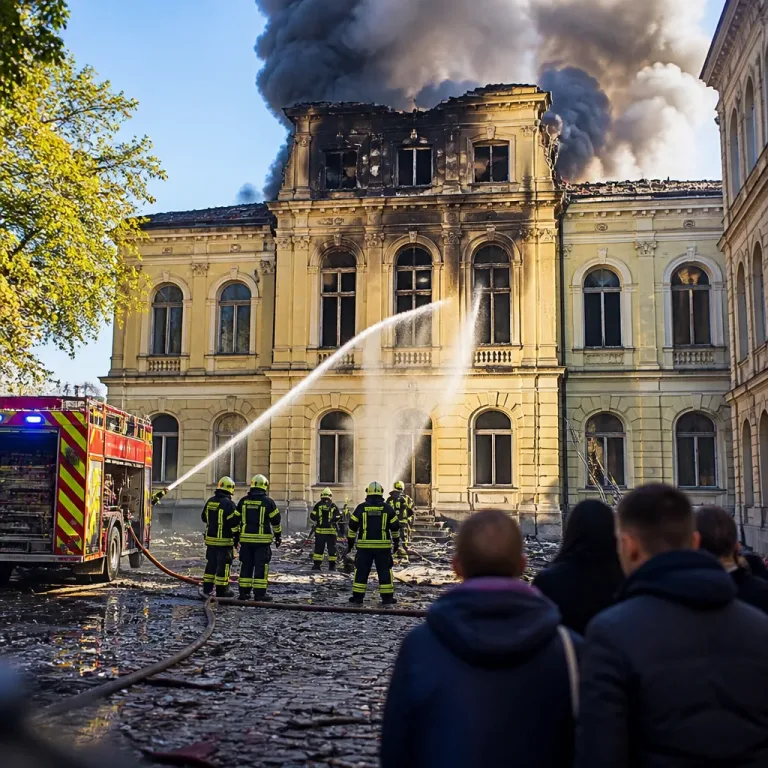
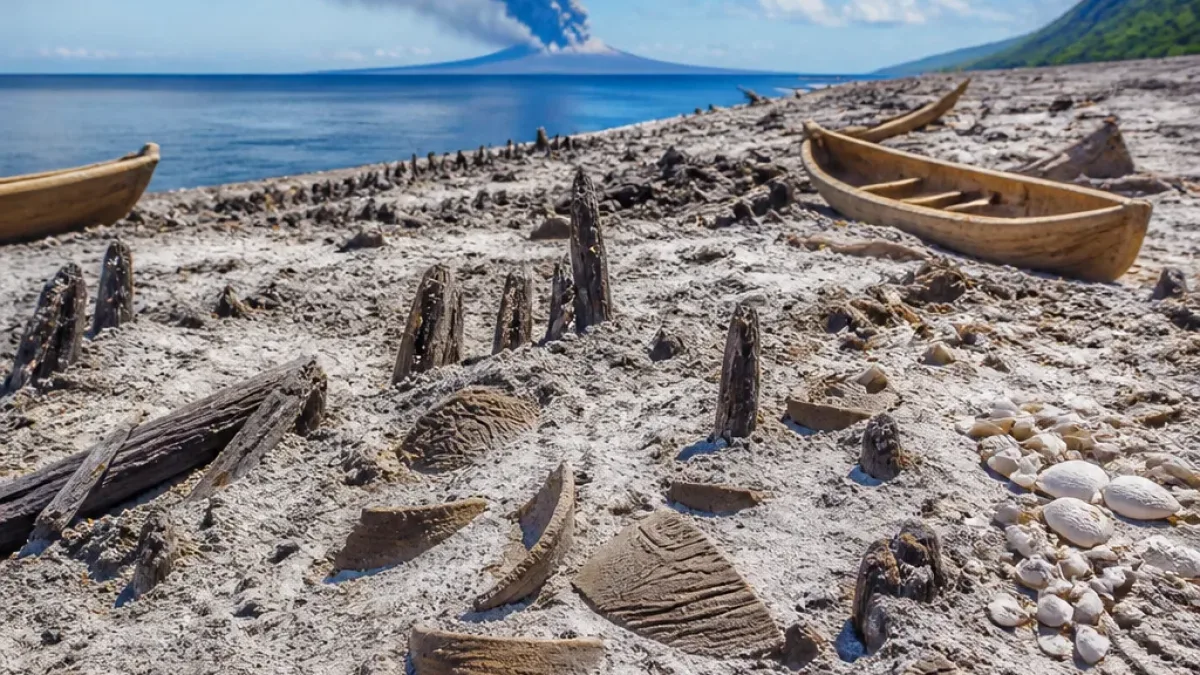
"This eruption must have been devastating, exploding out of the seabed with little warning. It battered the Japanese islands with powerful earthquakes and enormous tsunamis, and then blanketed the landscape with meters of volcanic ash,"
The quotation above is from Peter Jordan, professor in archaeology at Lund University, who characterises the physical violence of the event. The study’s lead author, Enrico Crema of Cambridge University, says survivors did not simply disappear but found ways to persist.
"The disaster caused major loss of life. However, survivors migrated, forged new social relations, innovated new kinds of economy, and appear to have found creative ways to exist and later thrive in the new post-disaster conditions,"
Evidence and interpretation
Researchers assembled archaeological data from Jomon-era sites and mapped changes in population distribution and density across regions affected by the eruption. They report a patchwork of outcomes driven by the eruption’s complex environmental effects: coastal areas experienced tsunamis and seismic shaking, while inland and nearby landscapes were smothered by several metres of ash that altered ecosystems and resource availability.
Where ash and ecological collapse made territories uninhabitable, populations declined or relocated. In other localities, however, the arrival of displaced people, new social ties and shifts in subsistence strategies appear to have supported recovery and even population growth over subsequent generations.
- Immediate impacts: earthquakes, tsunamis and thick ash deposits that damaged ecosystems and habitability.
- Short-term responses: mortality, displacement and local abandonment in the worst affected zones.
- Longer-term outcomes: migration, social reorganisation, economic innovation and instances of demographic rebound.
Why it matters
The study reframes the Kikai-Akahoya eruption not as a single, uniform catastrophe but as an event whose human consequences unfolded unevenly across space and time. That finding has implications beyond archaeology: it speaks to the capacity of small-scale, non-state societies to reorganise after severe environmental shocks and to the ways mobility, social networks and economic change mediate vulnerability.
By emphasising variability in outcomes, the research cautions against simple narratives that assume either total collapse or simple continuity after major disturbances. Instead, it highlights how disasters can catalyse both loss and innovation, producing a multiplicity of human trajectories.
| Feature | Effect noted by researchers |
|---|---|
| Seismic activity and tsunamis | Immediate destruction of coastal communities and infrastructure |
| Volcanic ash (metres thick) | Widespread ecological damage, reduced habitability in parts of the archipelago |
| Human response | Decline in some areas; migration and social innovation in others; later regional growth in places |
The authors do not minimise the human toll: the eruption was deadly and disruptive. Yet their conclusion emphasises human agency—how survivors reconfigured social relationships and economies in the wake of catastrophe.
As palaeoenvironmental and archaeological datasets grow richer, this approach—mapping diverse local outcomes rather than assuming a single island-wide fate—may change how researchers interpret other prehistoric disasters. The Kikai-Akahoya case thus becomes a testbed for understanding resilience and transformation when societies confront rapid environmental upheaval.
For policymakers and scientists concerned with disaster risk and resilience today, the past offers a reminder that the trajectories following a major shock depend on mobility, resource networks and the capacity to innovate, as much as on the magnitude of the hazard itself.
The study was carried out by an international team led from Lund University and includes contributions from Cambridge University among others.