Thunder Bay, Ont. — Ontario's Aviation, Forest Fire and Emergency Services (AFFES) says there are 109 active wildfires in northwestern Ontario, with several large complexes still not under control and crews from across Canada — and abroad — deployed to contain them.
Scope of the fires and response
In its latest situation report issued Friday night, AFFES listed the statuses of the active incidents: 13 fires were reported as not under control, six were being held, six were under control and the remainder were being observed. No new fires had been confirmed in the northwest as of Saturday evening.
Among the largest and most consequential are the three fires grouped as the Rinker Complex (Thunder Bay 36, Dryden 34 and Dryden 35) and the cluster near Atikokan and Fort Frances. These incidents are driving the majority of response activity and have prompted evacuation orders for affected areas.
| Fire or complex | Identifier | Size (hectares) | Status |
|---|---|---|---|
| Rinker Complex — Thunder Bay | Thunder Bay 36 | 301,240 | Not under control |
| Rinker Complex — Dryden | Dryden 34 | 45,800 | Not under control |
| Rinker Complex — Dryden | Dryden 35 | 31,510 | Not under control |
| Atikokan cluster — Fort Frances | Fort Frances 13 | 25,279 | Not under control |
| Atikokan cluster — Fort Frances | Fort Frances 14 | 51,768 | Not under control |
| Atikokan cluster — Fort Frances | Fort Frances 15 | 42,273 | Not under control |
Personnel and equipment on the lines
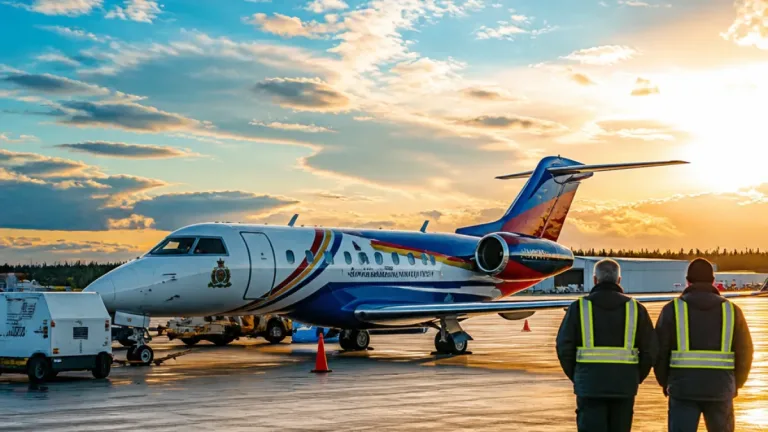
AFFES reports that the Rinker Complex has an extensive, multi‑jurisdictional response. Assigned resources include 25 firefighting crews — with teams drawn from Ontario, Alberta, Nova Scotia and Mexico — heavy equipment, pilots and overhead staff, plus an incident management team. Air support includes 17 helicopters being used for bucket operations and other aerial tactics.
Crews are focused on extinguishing hotspots, constructing fire guards and protecting values in communities and on the landscape, with helicopter bucketing continuing as the situation dictates.
Hazard levels and restrictions
AFFES says the forest fire hazard across northwestern Ontario is mostly low, though there are pockets of moderate and high hazard in parts of the region. The presence of multiple large fires, however, means local conditions can change quickly.
In Thunder Bay and much of northwestern Ontario, as well as parts of the northeast, open‑air burning is banned under a restricted fire zone. That prohibition includes campfires and other outdoor burning activities until authorities lift the restriction.
Local impacts and public advice
Evacuation orders remain in effect for areas affected by the three fires in the Rinker Complex and for other zones tied to the Atikokan cluster. Residents in affected communities should follow directions from local emergency management offices.
Practical measures for residents in threatened areas include keeping windows and doors closed to limit smoke intrusion, preparing an evacuation kit with essentials and staying tuned to official AFFES and municipal updates. Reduced air quality from smoke can affect vulnerable people — those with heart or respiratory illness, older adults and young children.
- Do not start open‑air fires or use burn barrels where restrictions apply.
- Follow evacuation orders and alerts from municipal officials.
- Check local emergency-management channels and AFFES bulletins for status changes.
As fire managers work to stabilise the largest incidents, aviation and ground crews continue to rotate resources into the region. With the potential for shifting winds and isolated high‑hazard pockets, authorities caution residents and visitors to remain vigilant and to respect all burning restrictions and evacuation instructions.
WE NEWS will continue to monitor updates from AFFES and local emergency services and will report new advisories as they are released.