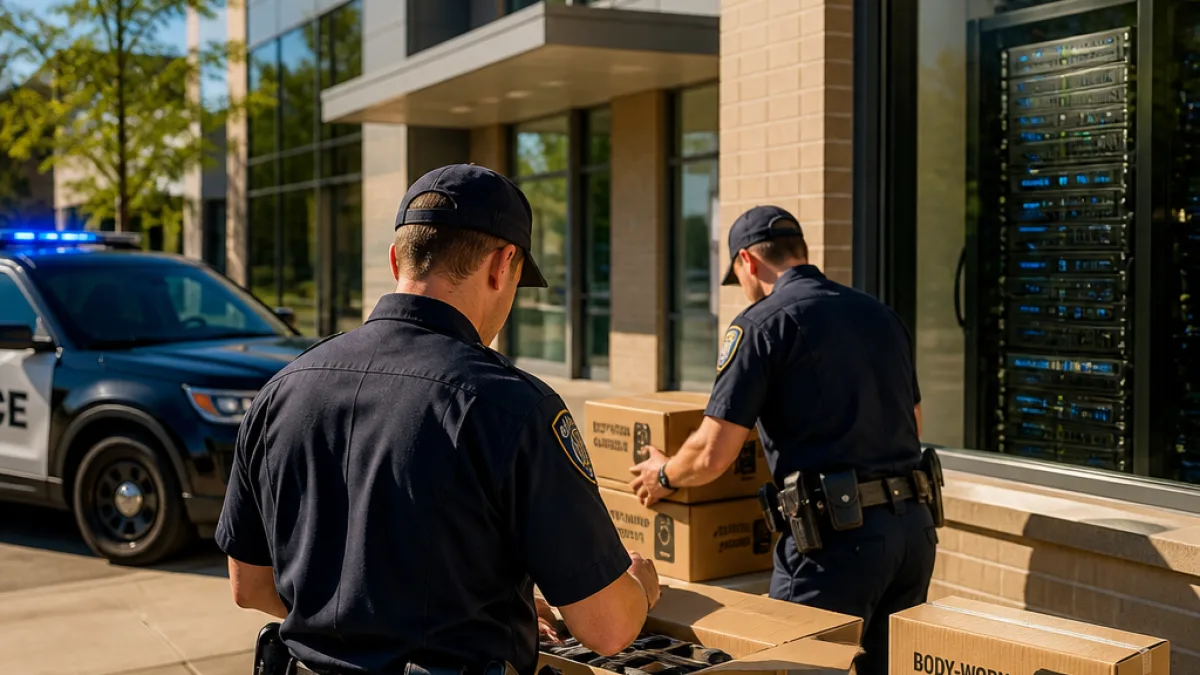
The Medicine Hat Police Service has expanded its body-worn camera program, adding 60 new devices and bringing the service's total to 86 units, a more than threefold increase from the 26 cameras it previously used.
Numbers and compliance
The increase was made "in accordance with provincial legislation," according to information released by the service. The addition of 60 units moves the force to a scale of deployment that matches modern expectations for evidence collection and public accountability in frontline policing.
"The Medicine Hat Police Service has added 60 new body-worn cameras to its patrol in accordance with provincial legislation."
On paper the shift is straightforward, but its implications for everyday policing, record keeping and community trust are substantial. More officers wearing cameras means more recorded interactions, which can affect complaint investigations, prosecution packages and the public's confidence in how incidents are handled.
Operational impact for a prairie city
For a city the size of Medicine Hat, expanding to 86 cameras changes the logistics of evidence management and training. Officers must be trained in activation policy, data handling, privacy rules and disclosure processes. The service will also face increased demands for secure storage of video and the administrative overhead that comes with managing a larger multimedia evidence inventory.
- Before: 26 body-worn cameras.
- Added: 60 additional cameras.
- After: 86 total body-worn cameras on patrol.
| Metric | Figure |
|---|---|
| Cameras previously in use | 26 |
| Cameras added | 60 |
| Total cameras now | 86 |
That administrative burden will touch multiple parts of municipal operations: the police service's evidence unit, IT infrastructure, privacy officers and potentially the city’s records management systems. How those areas scale up will determine the net benefit of the new equipment.
Transparency, training and evidence
Body-worn cameras are frequently championed for bolstering transparency and improving evidence collection. Recorded footage can clarify conflicting accounts after incidents, and it can provide independent documentation during use-of-force reviews or public complaints.
At the same time, cameras do not remove the need for robust policy. Clear rules about when recording begins and ends, how long footage is retained, and how privacy is protected remain critical. The announcement that the expansion was driven by provincial legislation suggests the service is aligning its equipment with mandated standards, but operational policies and resourcing will determine the effectiveness of the program on the ground.
For Medicine Hat residents, the most immediate effects will be seen in routine patrol interactions. More officers equipped with cameras should increase the volume of recorded contacts, which can speed investigations and aid prosecutions when incidents occur. It can also change officer-citizen behaviour during encounters, which some studies suggest reduces the incidence of complaints.
Questions still to be answered by the service — and by municipal leaders — include how footage will be stored and accessed, whether citizens will receive clearer information about recording policies, and how the service will fund ongoing operational costs tied to the expanded system.
As the Medicine Hat Police Service integrates the new cameras into patrol, residents and city councillors will watch for evidence that the upgraded system strengthens accountability without creating unintended burdens on privacy or municipal resources. The expansion marks a significant step in local policing practice and aligns Medicine Hat with a broader provincial push toward body-worn camera use.
Further details on deployment timelines, training schedules and policy adjustments were not included in the initial release.