
WINNIPEG — The Manitoba government has opened a focused, three-month review to determine whether freight rail traffic that passes through Winnipeg could be shifted to a route just south of the city, following an existing Manitoba Hydro corridor.
Who’s leading the study and what it will examine
Former federal cabinet minister and long-time public policy figure Lloyd Axworthy has been appointed to lead the 90-day feasibility study and accompanying consultation process. The provincial announcement said the work will build on a rail relocation study Axworthy was commissioned to lead in 2024.
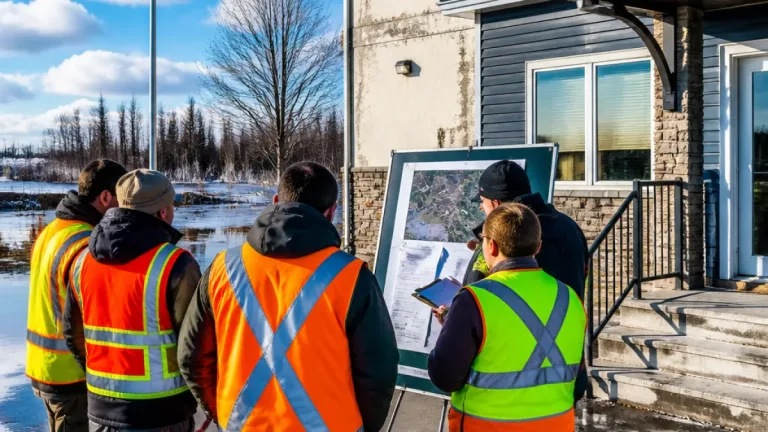
The government says the review will look at how realistic it is to move freight rail lines to the southern corridor, and will include public engagement components to hear from communities, municipalities, businesses and Indigenous partners.
Why supporters want relocation
Advocates of rail relocation argue the move would reduce risks by removing hazardous shipments from routes that cut through densely populated neighbourhoods. They also point to the potential to remove large rail yards that currently act as physical barriers between adjacent communities.
- Safety: Reducing freight movement through residential areas could lower the risk from derailments and hazardous-material incidents.
- Urban connectivity: Removing or relocating yards could open land and reconnect neighbourhoods divided by rail infrastructure.
- Longstanding discussion: The idea has been under consideration in various forms since the 1960s.
Costs and context
Previous work and commentary have put the price tag for rail relocation at significantly more than $1 billion. The provincial government did not provide a new cost estimate in announcing the 90-day review.
| Item | Detail |
|---|---|
| Study length | 90 days |
| Lead | Lloyd Axworthy |
| Corridor under consideration | Manitoba Hydro right-of-way south of Winnipeg |
| Estimated historical cost | Well above $1 billion (previous estimates) |
Local impact and questions ahead
For Winnipeg residents, the study raises practical questions about timelines, costs, environmental effects and who would pay for construction and land access. Businesses that rely on rail, including grain handlers and manufacturers, will also be watching how any relocation could affect logistics and supply chains.
Municipal planners and community groups have long discussed how rail lines shape development patterns and access within the city. Moving freight routes could free land for housing, parks or other urban uses, but those benefits would need to be weighed against the expense and disruption of building new infrastructure.
Process and consultation
The province said the study will include consultation, but provided few details about the consultation schedule or which stakeholders will be formally engaged. Given the broad set of interests — from municipal governments and Indigenous communities to rail companies and industrial operators — the design of the consultation will be a crucial part of the review.
Axworthy’s earlier work in 2024 examined similar themes; this new study is described as a continuation and a closer look at feasibility. The results of the 90-day review are expected to inform whether the province pursues a formal plan, begins negotiations with railways and Manitoba Hydro, or conducts more detailed engineering and environmental assessments.
What’s next
The government has not committed to a timetable beyond the 90-day study period, nor has it released details about interim milestones or public events. Stakeholders and the public will be looking for specifics about how the province will measure feasibility, what funding mechanisms might be considered, and how potential relocations would be staged to minimise impacts.
As the review proceeds, municipal officials and community organisations in Winnipeg are expected to seek clarity on how a relocation could affect land use, transportation networks and neighbourhood cohesion. The study will determine whether a plan to reroute freight rail off residential corridors is technically and economically viable.
Reporting from Winnipeg will follow developments as the province and Axworthy lay out the review’s findings and next steps.