FREDERICTON — A mother in the Nashwaaksis area says rising costs for fall and winter clothing and school supplies have prompted her to search Fredericton’s walking trails and ditches for usable items for her children.
From trails to wardrobe: a practical response to rising prices
Bailey Arbeau, 43, told a local outlet she has been collecting discarded clothing, footwear and school items found along trails and near dumpsters and businesses to outfit her school‑aged children. Arbeau said she came upon the practice while out for a run and began to look more closely at items left in public spaces.
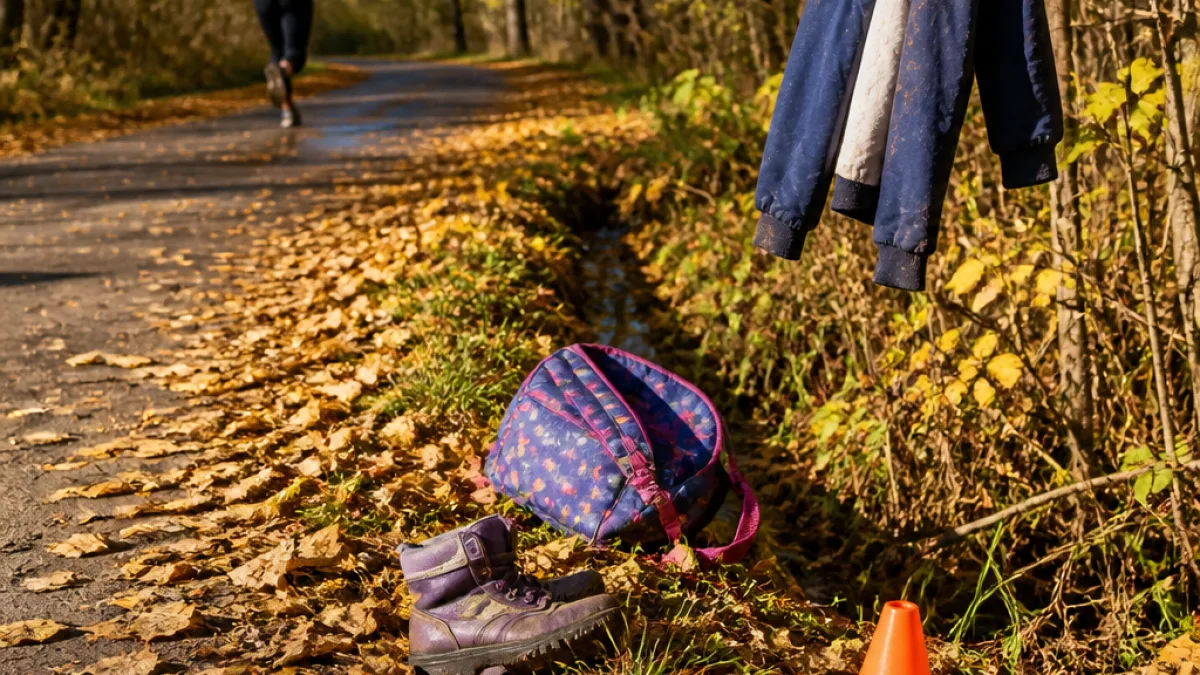
“I realized when I was out for a jog that there are clothes strewn around everywhere, on the trail and in the ditches, and even in trees,” said Arbeau.
She described finding jeans by a dumpster and a pair of boots behind a local business she identified as Dooly’s, and said she recovered a backpack near Superstore that needed cleaning before it could be used. In addition to clothing and footwear, she reported discovering paper, pens and markers that had spilled from a garbage bag.
Benefits, risks and local context
Arbeau framed the approach as a practical response to being “priced out” of affordable options, saying items she finds can be salvaged with cleaning. She also acknowledged hazards that can be encountered in public spaces, including drug paraphernalia; she specifically mentioned meth pipes and used syringes as a downside to collecting items along trails.
Her account touches on two broader issues affecting Fredericton residents: household budgets for school and clothing, and the condition and safety of public greenways and areas where discarded items accumulate.
- Items reported found: clothing, boots, jeans, a backpack, paper and writing supplies.
- Locations mentioned: walking trails, ditches, behind businesses (including an area identified as behind Dooly’s), and beside a dumpster.
- Risks noted: used syringes and drug paraphernalia.
City residents have long used informal networks — from clothing swaps to charity shops — to reduce costs for back‑to‑school needs. But salvaging items from public spaces raises questions about safety, sanitation and the adequacy of supports for families facing rising living costs.
| Aspect | Reported details |
|---|---|
| Sources of items | Trails, ditches, behind businesses, near dumpsters |
| Types of items | Clothing, boots, jeans, backpack, paper, pens, markers |
| Safety concerns | Used syringes, meth pipes, cigarette and urine odours |
What this means for Fredericton
The account underscores economic pressures felt by some families as prices rise for clothing and school supplies. It also points to public‑space maintenance and community safety as municipal concerns. City officials and community organisations typically advise against collecting items from areas where hazards may be present and encourage use of established programs and services that offer cleaned, safe clothing and school supplies.
Local charities, schools and community groups often coordinate clothing drives and back‑to‑school programs; residents looking for assistance are encouraged to contact those services. At the same time, reports of discarded items and drug paraphernalia along trails may prompt calls for increased clean‑up efforts, safer disposal options and preventative measures to keep public spaces clean and safe for all users.
The situation described by the Nashwaaksis mother reflects a personal coping strategy that raises broader questions about social supports, the condition of Fredericton’s shared spaces and how the city and community organisations can respond to both the financial needs of families and the safety of public trails.