Council acts to stabilise aquatic services as demand outpaces capacity
Fredericton council has moved to stabilise the city’s strained aquatics capacity by approving a package of short‑term upgrades while committing to explore options for a long‑term replacement this fall.
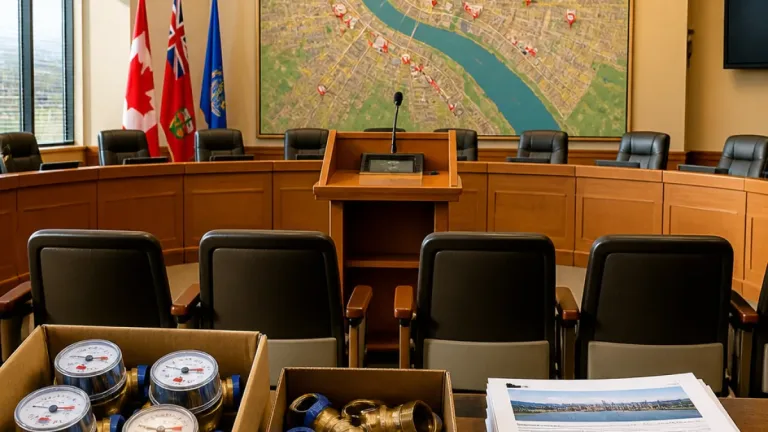
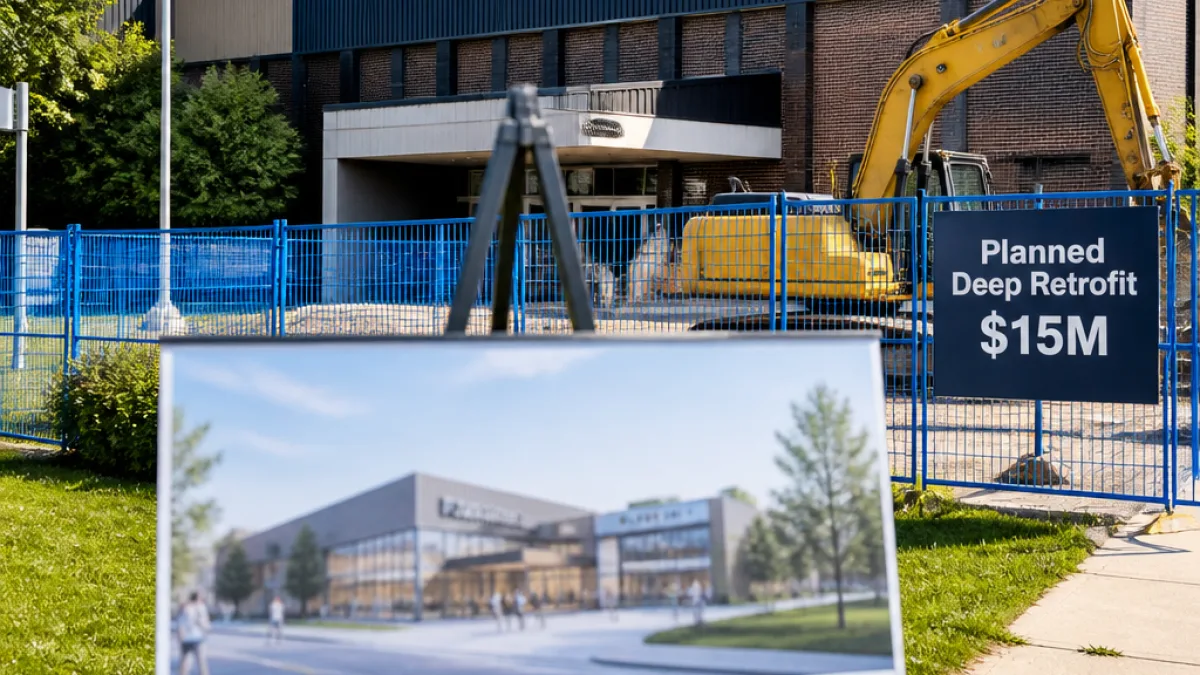
At a meeting Monday, councillors voted to proceed with a deep retrofit of the city‑owned Fredericton Indoor Pool in Nashwaaksis and to share the expense of upgrades to the Sir Max Aitken Pool at the University of New Brunswick. The city says the indoor pool project — which city documents put at $15 million — is scheduled to begin in April 2028. Details on the timing and scope of the Aitken pool work were not finalised at the meeting.
City staff told council the decision is meant to address immediate problems at existing facilities that will remain in service while the municipality examines options for a new aquatics centre.
“All of this together means Fredericton's aquatic capacity is under significant pressure,”
The comment, from Sara DeGrace, deputy chief administrative officer for the City of Fredericton, reflected concerns that the city's supply of pool space is not keeping pace with demand. DeGrace told council the Aitken pool is “beyond its useful life,” the indoor pool requires a “deep retrofit,” and the Fredericton YMCA is operating “at near maximum capacity.”
Short‑term measures and long‑term planning
Council’s move is explicitly twofold: enact renovations that will keep current facilities functioning safely and explore the possibility of building a new, larger aquatics centre. Staff said upgrades are intended to extend the lifespan and reliability of the pools, but not to replace the need for a modern, consolidated facility.
Attempts in recent years to spread the cost of a new aquatics centre among neighbouring municipalities were unsuccessful, and the timeline for a new build was disrupted by funding challenges and the 2023 local governance reforms, council documents note. As a result, city officials framed Monday’s approvals as measures to stabilise services while work continues on a sustainable, long‑term solution.
- Fredericton Indoor Pool: approved for a deep retrofit; estimated cost $15 million; work to start April 2028.
- Sir Max Aitken Pool (UNB): city to share costs for upgrades; facility described as beyond its useful life.
- Fredericton YMCA: continuing to operate at near capacity, increasing pressure on municipal pools.
Funding context and community impact
The approved retrofit amount for the Fredericton Indoor Pool aligns with recent announcements about funding for pool upgrades in the city. Separately, a federal announcement indicated a funding package for the indoor pool project totalling $15 million, made up of up to $6 million in federal support through the Build Communities Strong Fund and a municipal contribution of $9 million. City council did not alter the larger objective of examining how best to meet future demand for aquatics services.
Local swim clubs, lessons, therapy programs for seniors and recreational users all rely on a mix of facilities. With the Aitken pool described as past its useful life and the YMCA nearly full, swimmers and program administrators have said the current status quo is not meeting community needs.
| Facility | Status | Action approved |
|---|---|---|
| Fredericton Indoor Pool | Needs deep retrofit | $15M retrofit; work to begin April 2028 |
| Sir Max Aitken Pool (UNB) | Beyond useful life | City to share upgrade costs with UNB |
| Fredericton YMCA | Near maximum capacity | No city action; used as continuing community resource |
Next steps and community consultation
Council directed staff to explore options for a new aquatics centre this fall, which will include assessing possible locations, costs and potential partners. City officials say that any plan for a new facility will require careful consideration of capital costs, operating budgets and opportunities for cost‑sharing with other governments or institutions.
For many Fredericton residents, the council vote represents a pragmatic attempt to balance immediate needs with a longer planning horizon. The retrofit work should reduce the risk of unexpected closures and give staff more time to develop a comprehensive plan for aquatics services that reflects the city’s growth and demographic change.
Council meetings and staff reports will provide further details as the fall review proceeds and design work for the indoor pool retrofit advances.