
Federal officials have pledged to roll out faster, more hyperlocal warnings for severe thunderstorms and tornadoes, a move Ottawa says will give communities in New Brunswick and across Atlantic Canada earlier notice of rapidly developing dangerous weather.
What Ottawa is promising
The announcements, timed as the Atlantic hurricane season ramps up, indicate a shift toward more targeted alerts aimed at reducing the number of people caught off guard by sudden severe weather. The federal changes focus on delivering warnings with greater geographic precision and in a shorter time frame than many current advisories.
Officials have framed the changes as an upgrade to the public-alerting system used by Environment and Climate Change Canada, although details on timing and technical implementation were not published in the local briefing documents.
Why it matters in New Brunswick
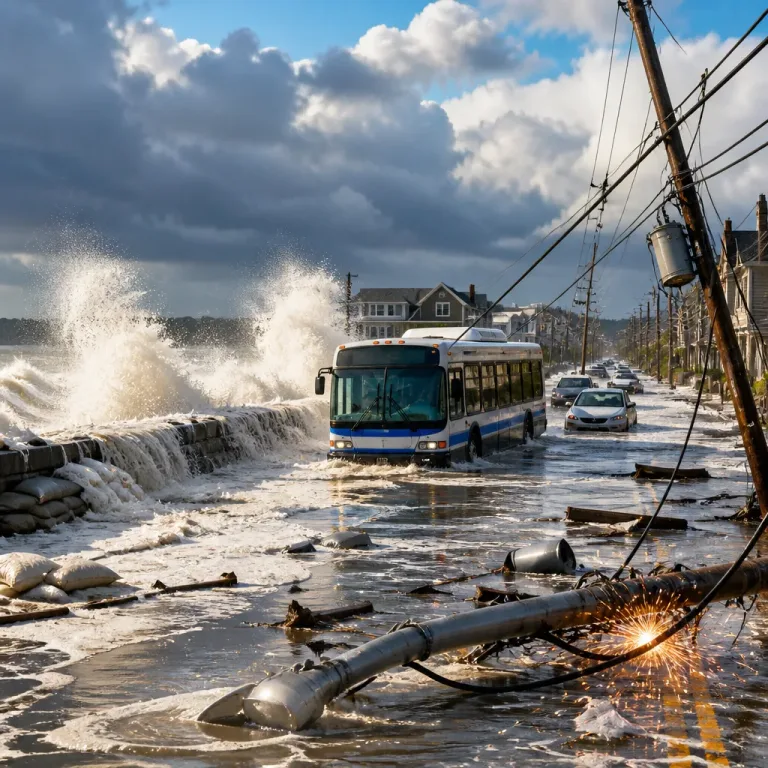
New Brunswick has a long history of being affected by powerful storms in late summer and autumn — from post-tropical cyclones to intense summer thunderstorms that can spawn tornadoes. Faster, localized warnings have the potential to improve public safety by giving residents, emergency managers and municipal officials more time to respond and seek shelter.
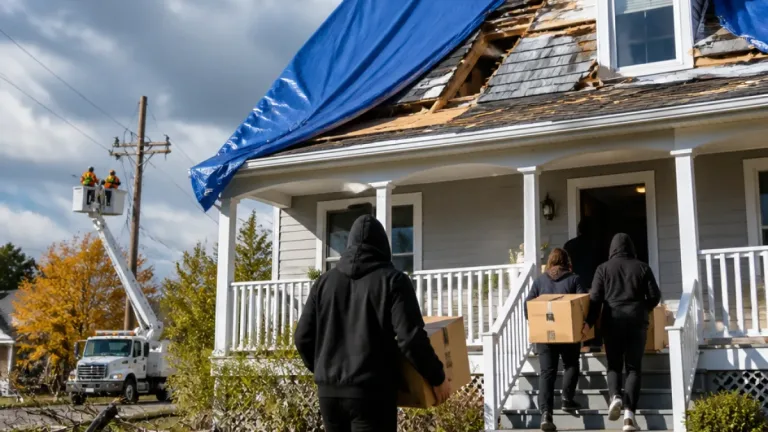
Photographs from previous extreme-weather events underline the stakes: during post-tropical storm Arthur in 2014, for example, fallen trees and infrastructure damage left communities to cope with sudden impacts. Officials argue that more precise alerts could limit such surprises.
How the new alerts are expected to work
The federal plan emphasises two changes:
- More precise geography — warnings directed at smaller, community-level areas rather than broad regions;
- Quicker delivery — faster processing and dissemination of alerts once dangerous conditions are identified.
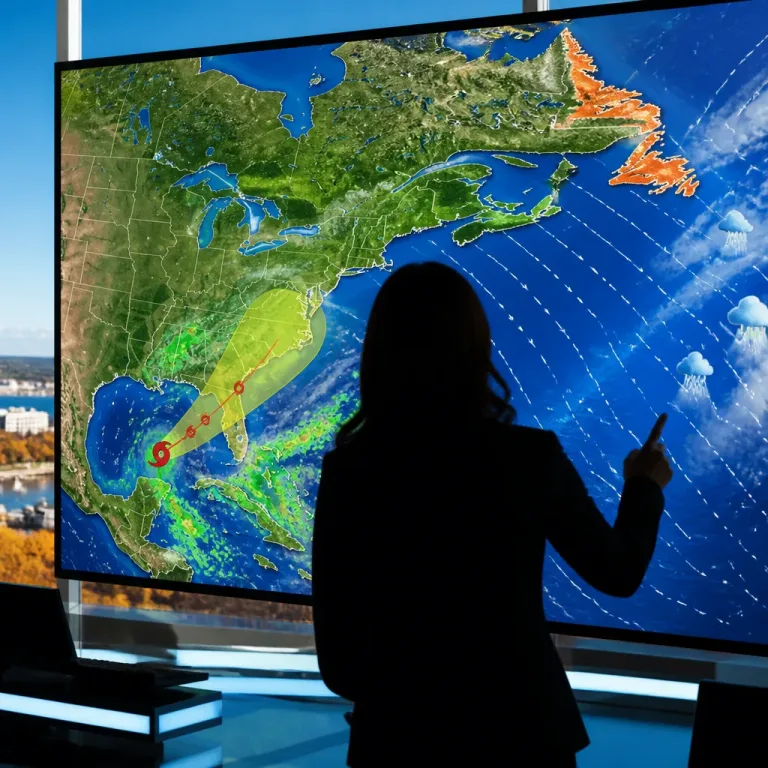
Governments and emergency-management organisations typically rely on a mix of forecast models, radar and eyewitness reports to identify severe threats. By narrowing the geographic footprint of warnings, authorities hope to reduce alert fatigue among the public while increasing credibility when messages are issued.
| Feature | Current approach | Promised change |
|---|---|---|
| Geographic scope | Large regional warnings | Smaller, community-level alerts |
| Warning speed | Standard processing and dissemination | Faster identification and delivery |
Local preparedness and response
Municipal emergency coordinators in New Brunswick will be watching for implementation details so they can adapt their plans. Faster, hyperlocal warnings could alter sheltering decisions, school and workplace closures, and how utility crews are staged for rapid response.
Public-health and emergency officials typically advise residents to have a family emergency plan, an emergency kit and to monitor official channels during severe-weather seasons. Precise warnings could allow individuals to make quicker, more tailored decisions — for example, moving a vehicle off exposed roads or seeking sturdier shelter in a specific neighbourhood.
Next steps and questions
While Ottawa has set out the intention to improve alerts, the timeline for rollout, the technical systems to be used and the exact nature of community-level mapping were not provided in the provincial briefing. New Brunswickers seeking confirmation on local delivery should watch for updates from Environment and Climate Change Canada, the provincial emergency measures organisation and their municipal governments.
As the hurricane season progresses, residents are reminded to stay informed through official channels and local media and to ensure personal preparedness measures are up to date. Enhanced warning systems may reduce surprise, but they work best in combination with household readiness and clear municipal plans.
Reporting from New Brunswick, this change to alerting signals a federal effort to reduce harm from fast-moving severe weather — but the practical benefits for residents will depend on how quickly and clearly the new system is implemented at the local level.