Quebec City will receive federal support to strengthen local health-system responses to extreme heat, with Health Canada directing $354,500 to Santé Québec Capitale‑Nationale – Universitaire as part of a national capacity-building initiative.
Targeted funding to tackle climate-linked health risks
The money comes from Health Canada’s Climate Change and Health Capacity Building Program, which is distributing more than $17 million to 24 organizations across the country to help the health sector adapt to the effects of climate change. The funding is intended to sharpen knowledge, build local capacity and promote practical innovation in areas such as resilient health infrastructure and protection from extreme heat.
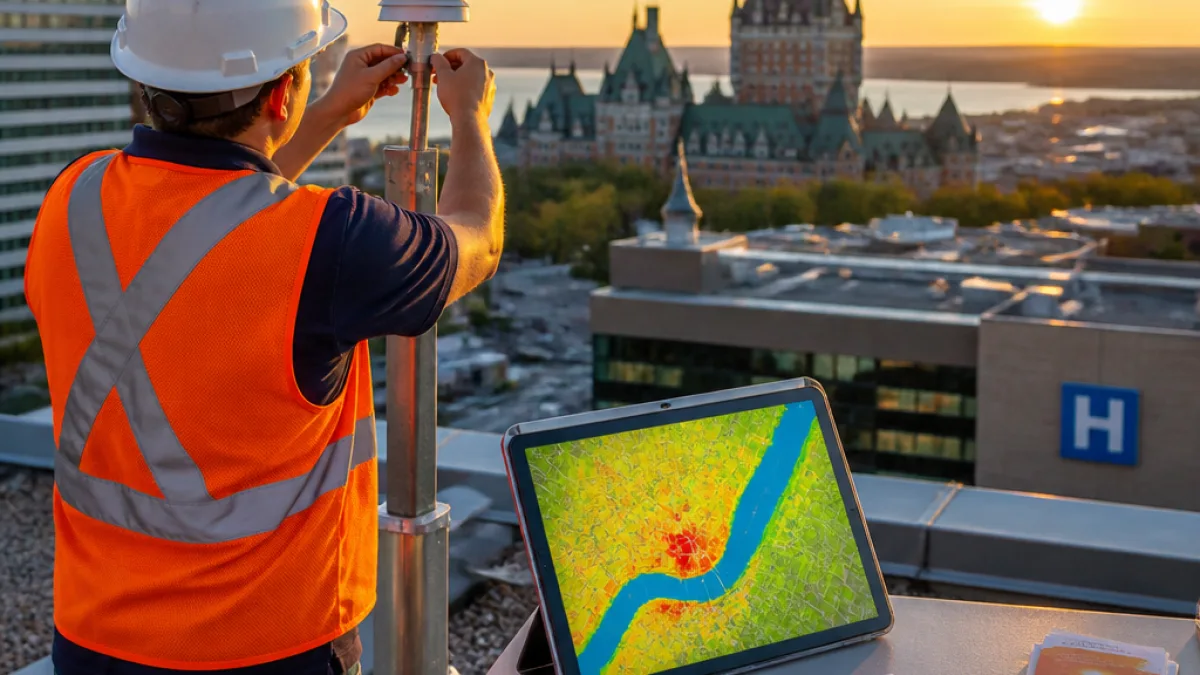
In the Capitale‑Nationale region, the Direction de santé publique de Santé Québec Capitale‑Nationale – Universitaire will partner with community and parapublic groups on a project focused on reducing the impact of heat events. Activities outlined by the department include setting up real‑time monitoring of heat‑related health effects, rolling out awareness campaigns, offering support services and improving coordination between public health authorities, local organizations and vulnerable populations.
“As climate change continues to bring more frequent and extreme heat events, we must ensure our health systems are ready to protect Canadians, including people most at risk. This project will strengthen our ability to respond to extreme heat events in the Capitale‑Nationale region and will help communities adapt to the effects of climate change.” – The Honourable Nathalie Provost, Secretary of State (Nature)
Local implications and next steps
Officials say the project is part of a broader push to adapt health services to a warming climate. For Quebec City residents, the measures point to several immediate implications:
- Improved capacity to detect and report heat‑related health problems through real‑time monitoring;
- Stronger outreach and public education to help people recognise and respond to heat risks;
- Better coordination between health authorities and community groups that serve older adults, people with chronic illness and other vulnerable populations.
Health Canada divides its funding across two streams: HealthADAPT, which favours projects that increase climate resilience and reduce the carbon footprint of health systems, and HeatADAPT, which aims to protect people from extreme heat. The Quebec City project is explicitly targeted at preparedness for heat events and strengthening ties across the local health and community network.
| Item | Detail |
|---|---|
| Recipient | Direction de santé publique de Santé Québec Capitale‑Nationale – Universitaire |
| Program | Health Canada Climate Change and Health Capacity Building Program |
| Amount | $354,500 |
| Focus | Extreme heat preparedness, monitoring, awareness and coordination |
Why it matters to Quebec City residents
Quebec City has already experienced heat episodes that strain emergency services and affect those without access to cool spaces. Investments in surveillance and community outreach are intended to reduce hospital visits and support people who are most affected by heat—seniors, people with chronic conditions and those living alone or in inadequate housing.
Municipal and regional partners will need to translate federal funding into concrete local actions. That could mean expanding cooling‑centre capacity, improving heat‑warning systems or equipping frontline health workers with new tools and training. The announcement does not specify a timeline for implementation or how funds will be allocated among partners; those details are expected as the Direction de santé publique finalizes its project plan.
Nationwide, Health Canada said the program will support 24 projects that advance the capacity of Canada’s health sector to respond to climate change. For Quebec City, the federal investment offers targeted resources to adapt to a warmer future while underscoring the role of local coordination in protecting public health.
The Honourable Nathalie Provost’s announcement in Quebec City frames the project as a preventive effort to limit harm from increasingly common extreme heat events, signalling an era in which municipal and regional health planning will increasingly integrate climate risks.