Stronger profits come from margin expansion and a tariff refund
The off‑price retailer Burlington Stores extended a long stretch of earnings momentum in the second quarter of fiscal 2026, reporting a 38 per cent increase in adjusted earnings per share as comparable and total sales rose and operating margins improved.
Management said total sales for the quarter reached approximately $2.998 billion, an increase of about 11 per cent from the same period a year earlier. Comparable‑store sales were up roughly 2 per cent, producing a two‑year comparable stack near 7 per cent.
Margins and one‑time items
Reported gross margin expanded to 46.2% from 43.7% a year earlier, a rise equivalent to 250 basis points. Management also disclosed receipt of roughly $55 million in tariff refunds during the quarter. While the company said the tariff benefit materially aided reported results, underlying merchandise margin growth remained positive after excluding that amount.
- Adjusted diluted EPS rose to $2.37 from $1.72 year over year.
- GAAP diluted EPS nearly doubled to $2.88 from $1.47.
- Adjusted EBIT margin expanded by about 100 basis points.
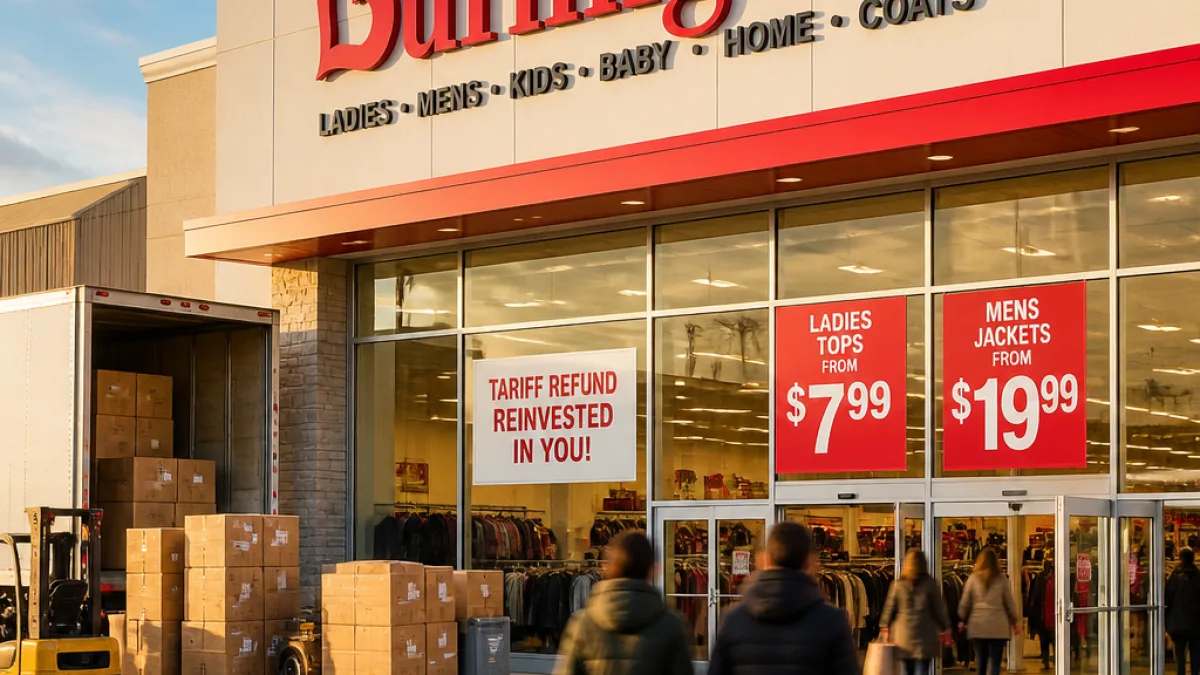
Management indicated the full tariff refund would be reinvested into the business in the second half of the fiscal year to sharpen customer value rather than being retained as one‑time earnings.
Profit, costs and reinvestment
The company reported GAAP net income of $184 million, up from $94 million in the prior‑year quarter. After excluding about $41 million of after‑tax benefits tied to tariff refunds and other adjustments, adjusted net income was $151 million, compared with $110 million a year earlier.
On the cost side, freight expense rose by around 10 basis points as a percentage of sales, while adjusted selling, general and administrative expenses improved to 26.2% of revenue from 26.7%. The company attributed the earnings acceleration largely to operating‑leverage gains driven by margin improvements.
What this means for shoppers and local retail markets
For shoppers in Burlington and across Canada, the company’s plan to reinvest tariff refunds into customer value could translate into sharper promotions or deeper discounts in the months ahead. The quarter’s results also underscore how margin management — not just sales growth — can rapidly affect profitability for large value retailers.
| Metric | Q2 figure |
|---|---|
| Total sales | $2.998 billion |
| Adjusted diluted EPS | $2.37 |
| GAAP diluted EPS | $2.88 |
| Gross margin | 46.2% |
| Tariff refunds received | ~$55 million |
Investors and analysts will watch whether the company’s reinvestment of the tariff benefit can sustain traffic and margin trends without relying on one‑time accounting boosts. For municipal economies with retail footprints that include off‑price chains, such earnings swings can influence employment levels, inventory turns and promotional intensity at local stores.
While Burlington Stores’ results reflect its U.S. fiscal reporting, the company’s pricing and inventory decisions ripple through cross‑border retail markets, affecting both supply and choice for Canadian consumers. The coming quarters will show whether margin gains continue once one‑off benefits are absorbed and how the company balances reinvestment with long‑term margin objectives.