
Local voices pressed for safeguards, 'right to be forgotten'
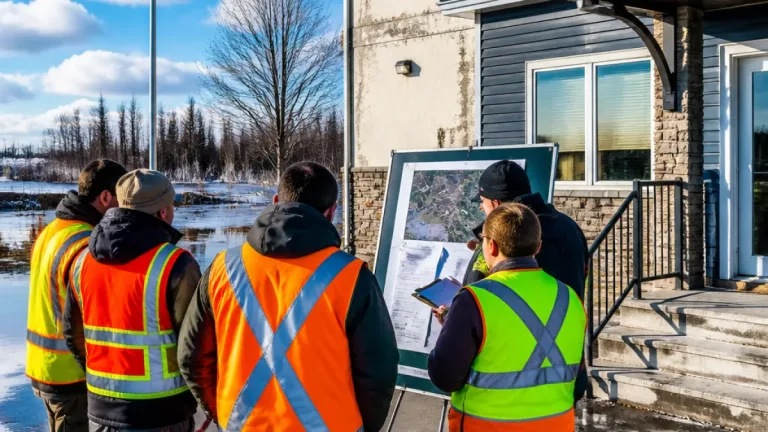
BRANDON — Roughly 20 people gathered at Brandon University’s Harvest Hall on Monday for a provincial listening session on artificial intelligence, where concerns about cybersecurity, surveillance and the need to limit AI’s role in people’s lives emerged as recurring themes.
The session was part of the provincial government’s outreach to inform regulations for Bill 51, the Public Sector Artificial Intelligence and Cybersecurity Governance Act, which the government says came into effect in June. The meeting in Brandon was one of a series of engagement events; another session was scheduled in Winnipeg later in the week.
Attendees took part in multiple roundtable discussions led by moderators who posed questions and recorded comments. At the conclusion of each topic, moderators relayed a group question to Innovation and New Technology Minister Mike Moroz, who answered in a plenary format and also took questions from the floor.
Participants expressed a number of specific anxieties. Security against cyber criminals, safeguards to prevent tracking or monitoring, and limiting the role of AI in everyday decisions were highlighted repeatedly. The “right to be forgotten” — the idea that individuals should be able to have certain personal data removed from systems — was singled out as a common topic during the discussion.
“It’s critically important that we gather as a community early in the process and start to map out what it is we want,” Moroz told attendees, noting the urgency to avoid repeating past patterns of delayed regulation.
Moroz used a classroom analogy to stress his point. He said he was a teacher when cellphones became widespread and governments subsequently had to implement rules years later. He warned that a similar delay for AI would be problematic because, in his words, AI is “so much more pervasive, so much more dominant and has so many more potential ramifications” than earlier technologies.
Concerns and community priorities
While the session in Brandon drew a modest crowd, the themes mirror conversations happening across Canada about how to balance innovation with privacy and public safety. The Brandon event gave residents and stakeholders a chance to frame those concerns in a Manitoba context, as the minister emphasised.
- Cybersecurity: Participants called for stronger protections against criminal hacking and data breaches affecting government systems and citizens.
- Privacy and tracking: Residents raised worries about surveillance, being monitored without consent and the broader implications of data collection.
- Limits on AI: Attendees urged caution regarding how deeply AI is integrated into services and decision-making processes that affect Manitobans.
Moderated table discussions allowed smaller groups to surface local examples and hypothetical risks. Moderators compiled those notes and presented synthesized questions to the minister on behalf of each group.
| Issue raised | What participants asked for |
|---|---|
| Cybersecurity | Stronger defences for public systems and clearer incident response plans |
| Tracking and monitoring | Safeguards against non-consensual surveillance and limits on data sharing |
| Role of AI | Boundaries on where AI is used and transparency about automated decision-making |
What this means for Brandon
For Brandon residents, the consultation was an opportunity to make local priorities heard as the province drafts regulations that will shape how public-sector AI is governed. The outcome could affect municipal services, education, health records and other public-facing systems — areas where residents want assurances their data and rights will be protected.
Officials framed the outreach as an early-stage exercise. Moroz said engaging communities now is vital to avoid the pattern of reacting years after a technology becomes widespread. The Brandon session offered residents a forum to push for safeguards and influence how Bill 51’s regulations take shape.
As provincial staff compile feedback from Brandon and other sessions, next steps will include further analysis and policy development. For Brandon residents who raised concerns at Harvest Hall, the consultation marked the beginning of what they hope will be sustained engagement on the intersection of AI, privacy and public safety in Manitoba.