Young artist’s dark new single draws online unease
North West, the 13‑year‑old daughter of rapper Kanye West and Kim Kardashian, has released a new track and music video titled “Aishite” that has prompted debate about the themes and visuals presented by a young performer. The song and its accompanying horror‑inspired imagery examine feelings of betrayal, suffering and loneliness, according to reporting.
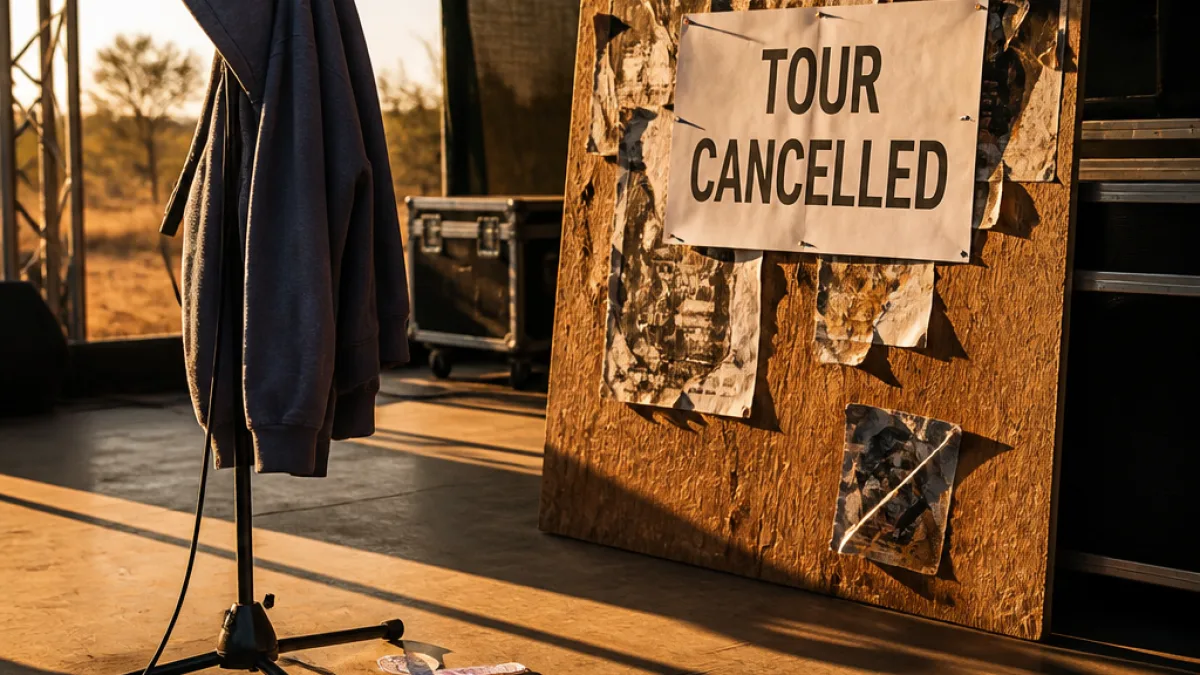
The release follows the abrupt cancellation of a planned 14‑date tour, the Kimokawaii Tour with rapper Molly Santana, which was called off shortly before the single’s debut. Fans and online users have linked the emotional tone of the song to the recent tour cancellation, though no direct connection has been established in the available reporting.
Public response: sympathy, concern and debate
Reaction on social media has been immediate and mixed. Some users expressed concern that the subject matter is too mature for a 13‑year‑old, while others defended North as a normal preteen exploring creativity in an era when children often grow up in the public eye.
- Many commenters described the song and visuals as dark or unsettling, raising questions about the psychological impact of such material on a minor.
- Other users urged compassion, noting the pressures of fame and the need for support systems such as family or therapy for young artists.
- Some responses framed the release as part of a broader cultural history of teenagers using art to negotiate identity and emotion.
“This song is really sad. I was depressed at 13 too. Hopefully, North gets the love and support she needs from somewhere.”
The quote above is one of several reactions circulating online. Another commenter said: “She’s literally a normal preteen lol. Do y’all not remember Tumblr and MySpace? She needs time to heal, support, and therapy.” Others described the single as “spiritually heavy” or “disturbing.”
Context: young performers, social media and creative control
The conversation around Aishite highlights recurring issues when public figures’ children enter creative industries: who vets material, how much creative autonomy a young artist should have, and the responsibilities of adults around them. The available reporting does not specify who directed or produced the video, or who made the decision to release the single at this time.
| Item | Detail |
|---|---|
| Artist age | 13 years old |
| Single | “Aishite” — themes of suffering, betrayal, loneliness |
| Tour | 14‑date Kimokawaii Tour with Molly Santana — cancelled |
What supporters and critics are saying
Supporters of young creatives argue that adolescence is a time of experimentation and that artistic expression can be a healthy outlet. Critics counter that the combination of dark imagery and global platforms can expose minors to harmful commentary and undue pressure.
Several online commenters urged that the focus should be on the welfare of the artist rather than merely the aesthetics of the release. Calls for therapy, family support and careful management of young artists’ public exposure feature prominently among those responses.
Practical considerations for parents and guardians
While this report relays public reaction to the single, it does not offer medical or psychological advice. Parents and guardians concerned about children’s exposure to mature themes online may consider:
- Monitoring age‑appropriate platforms and content controls
- Discussing media and creative expression openly with children
- Seeking professional support if a child shows signs of distress
The release of Aishite and the surrounding conversation underline the challenges of growing up in the public eye, where creative expression and childhood development intersect under global scrutiny. Reporting to date has documented the single’s thematic content, the cancelled tour and a range of public responses, but has not provided details about production credits or the reasons for the tour cancellation.
As the debate continues online, discussions around protection, artistic freedom and the responsibilities of adults in the lives of young public figures are likely to remain central.