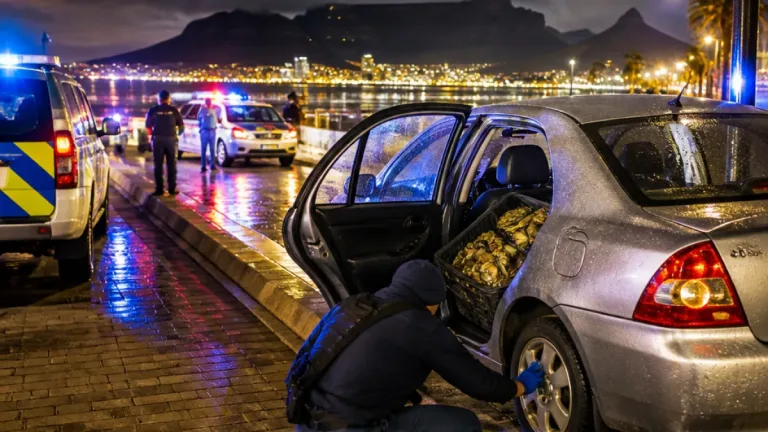
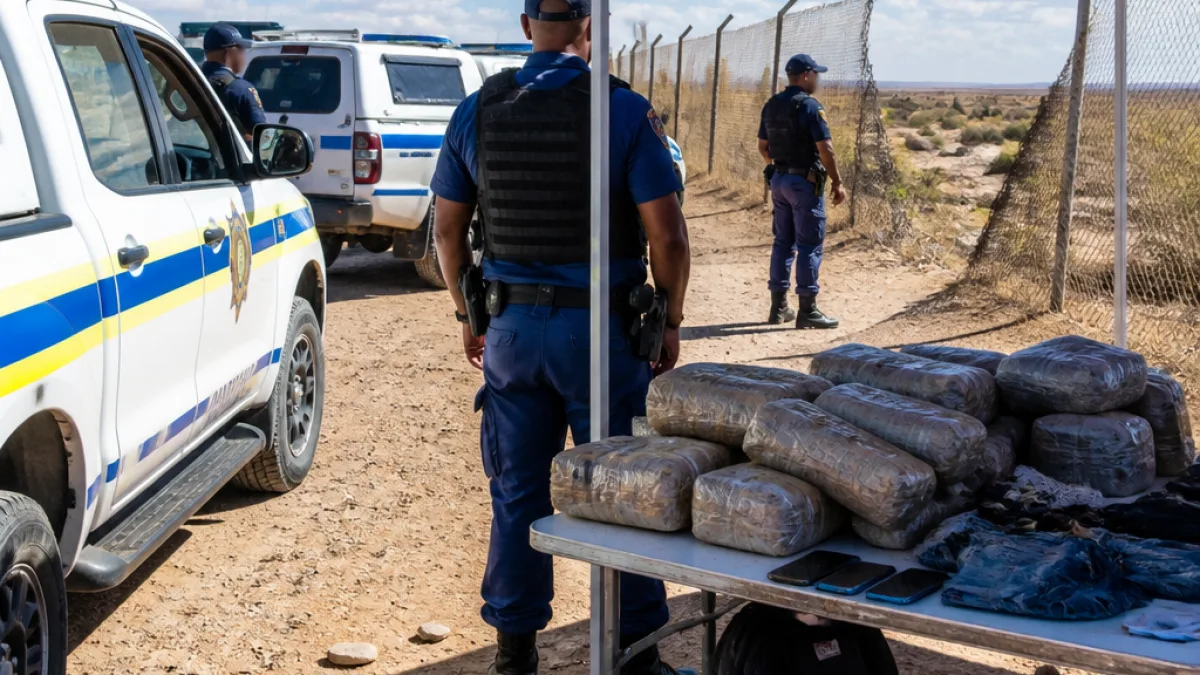
Northern Cape police, working alongside the Botswana Police Service and other law enforcement agencies, have stepped up operations to disrupt criminal activity along the South Africa–Botswana border. The operation ran from 13 to 16 September 2026 and focused on stock theft, the movement of stolen vehicles, illicit firearms and ammunition, drug‑related offences and the movement of undocumented persons, the provincial police confirmed.
Integrated units and cross‑border cooperation
Brigadier Mashay Gamieldien, the Northern Cape police spokesperson, said the operation drew on a wide range of SAPS specialised units, including Border Policing, Crime Intelligence, Visible Policing, Public Order Policing, the Vehicle Crime Investigation Unit and the Stock Theft and Endangered Species Unit. Support came from the South African National Defence Force (SANDF), the Border Management Authority (BMA), SANParks and SARS Customs, with co‑operation from Botswana authorities on the other side of the border.
The multi‑agency approach aimed to increase visibility along known hotspots and to combine intelligence, patrols and vehicle checkpoints to detect and deter criminal networks that exploit the remote, sparsely populated stretches of the border.
Operational results and discoveries
According to Gamieldien, teams recorded several tangible outcomes during the four‑day operation in the Van Zylsrus, Witdraai and Severn policing areas. She said two men were arrested on allegations of dealing in dagga in Witdraai and Severn, and police seized a quantity of cannabis with an estimated street value of R5 400, together with cash believed to be proceeds from illicit sales.
“The joint operation demonstrates the importance of integrated law enforcement and close cooperation between South African and Botswana authorities in addressing criminal activities along our shared border,” Brigadier Mashay Gamieldien said.
Authorities also issued traffic fines and detained undocumented persons during the operation. Gamieldien provided a snapshot of activity at vehicle checkpoints and on patrols, which the operation used to boost detection of illegal movements and contraventions.
| Measure | Result |
|---|---|
| Vehicle Check Points (VCPs) | 4 |
| Vehicles searched | 410 |
| People searched | 839 |
| Arrests (drug dealing) | 2 |
| Dagga estimated street value | R5 400 |
| Traffic fines issued | 8 (total R4 100) |
| Undocumented persons detained | 3 |
Border infrastructure and vulnerabilities
Patrols between the Gemsbok and Middelputs ports of entry uncovered damage to sections of the border fence. Gamieldien said BMA officials had reportedly repaired the fence before the operation; however, patrol teams found wires had been tampered with again, indicating ongoing attempts to breach the barrier.
Damage to border fencing and repeated tampering are a concern in remote stretches of the province, where long distances and limited resources can create opportunities for illicit movement of people, stock and contraband. The presence of SANDF elements during the operation was intended to add capacity to regular policing resources in these hard‑to‑reach areas.
What this means for local communities
For communities along the border, the intensified operations aim to reduce the impact of stock theft and vehicle crime, which directly affect livelihoods in farming and rural households. The combination of vehicle checkpoints, targeted patrols and intelligence‑led action is intended to deter criminal syndicates that exploit porous borders and remote roads.
Police emphasised that operations of this nature are ongoing and rely on interagency cooperation. Gamieldien framed the action as part of broader efforts to secure the border and protect residents and economic activity in the Northern Cape.
- When and where: Operation ran 13–16 September 2026 in Van Zylsrus, Witdraai and Severn areas.
- Main objectives: curb stock theft, vehicle crime, illicit firearms, drug offences and movement of undocumented persons.
- Agencies involved: SAPS specialised units, SANDF, BMA, SANParks, SARS Customs and Botswana Police Service.
Police did not provide further detail on investigations into the damaged fence or the long‑term deployment plan for the area. Follow‑up operations and continued cross‑border coordination were described as necessary to sustain the initial gains, particularly in remote parts of the province where criminal activity can have outsized social and economic consequences.
Reporting from the border area indicates that multi‑agency patrols remain the primary tool to maintain visibility and respond to incidents; residents in affected areas are encouraged to report suspicious activity to their nearest police station.