Silindokuhle Dlamini, known professionally as Firdy, is building a career that refuses neat labels. The Tembisa-born artist moves between music, dance, acting and directing, describing a practice rooted in expansion rather than compromise. Her approach, she says, grew from a childhood spent asserting herself in the face of poverty and local crime, and from family encouragement that allowed a "vibrant energy" to flourish.
Discipline, theatre training and a refusal to shrink
For Firdy, the demands of theatre have shaped the way she works across disciplines. She told reporters that the discipline of vocal coaching, physical training and long rehearsal hours for productions such as INALA forced another level of commitment. The rigor of theatre, she said, has become part of her daily practice and has informed how she performs live.
“I was on more than one occasion made to feel as though I was ‘too much’.”
Rather than accept that idea, Firdy said she learned to be discerning and to focus on what she described as "purposeful to my spirit", using her gifts in ways that align with her purpose. She also emphasised the role of self‑affirmation and discipline in honing talents that she insists are interlinked: "I wear the required hat at said time."
Music releases, vulnerability and womanhood
In 2026 she released two songs — Always Returning with Oriiginelle and Fall Back — which she says reveal vulnerability and explore facets of womanhood and how love is revealed across stages of life. She frames her songwriting as coming from lived experience and documenting love "at this stage of womanhood" rather than fitting neatly into a single genre.
Firdy has pushed back on narrow industry tags. Faced with labels such as "female rapper", she has opted for a broader self‑definition, insisting that a single label cannot cover the full shape of her work.
Live performance and the Back to the City journey
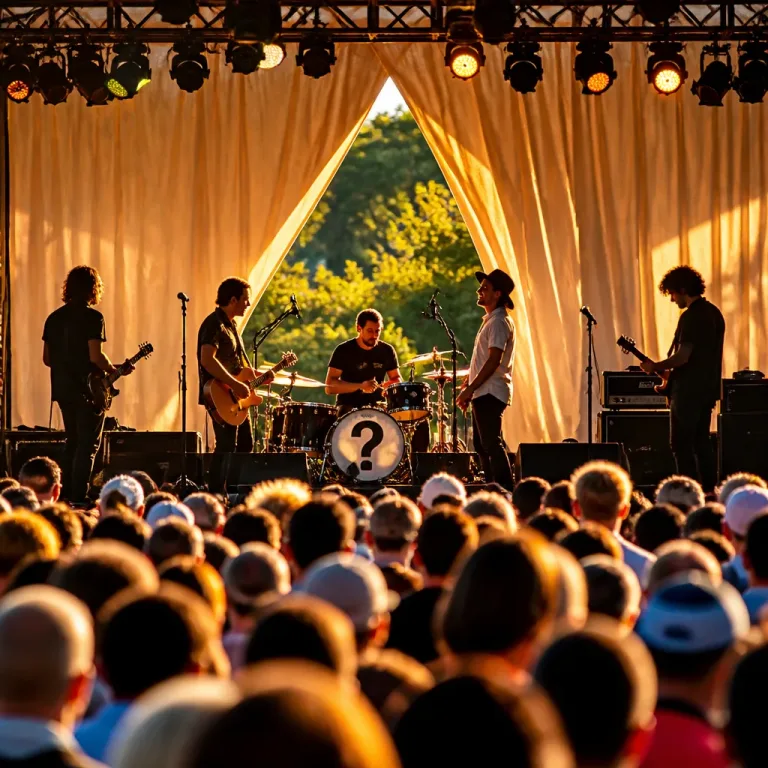
A turning point, she says, was entering the 10K Challenge, where she reached the top 10. Although she did not win, the experience had a lasting effect on her live performances. From that moment she vowed to never miss a lyric in public again — a pledge that reflects both a professional standard and an ethic of respect for audiences.
- Roots: Raised in Tembisa with an open‑minded family that encouraged expression.
- Theatre: INALA and intensive rehearsal regimes influenced her discipline and stagecraft.
- Music: 2026 singles Always Returning (with Oriiginelle) and Fall Back explore vulnerability and womanhood.
| Project | Type | Year |
|---|---|---|
| INALA | Theatrical production | — |
| Always Returning (with Oriiginelle) | Single | 2026 |
| Fall Back | Single | 2026 |
| 10K Challenge | Performance competition (Top 10) | — |
Where the table shows blanks for specific years of theatre work or the 10K Challenge, the original reporting does not provide exact dates; those projects are nonetheless influential in her trajectory.
What it means for Tembisa
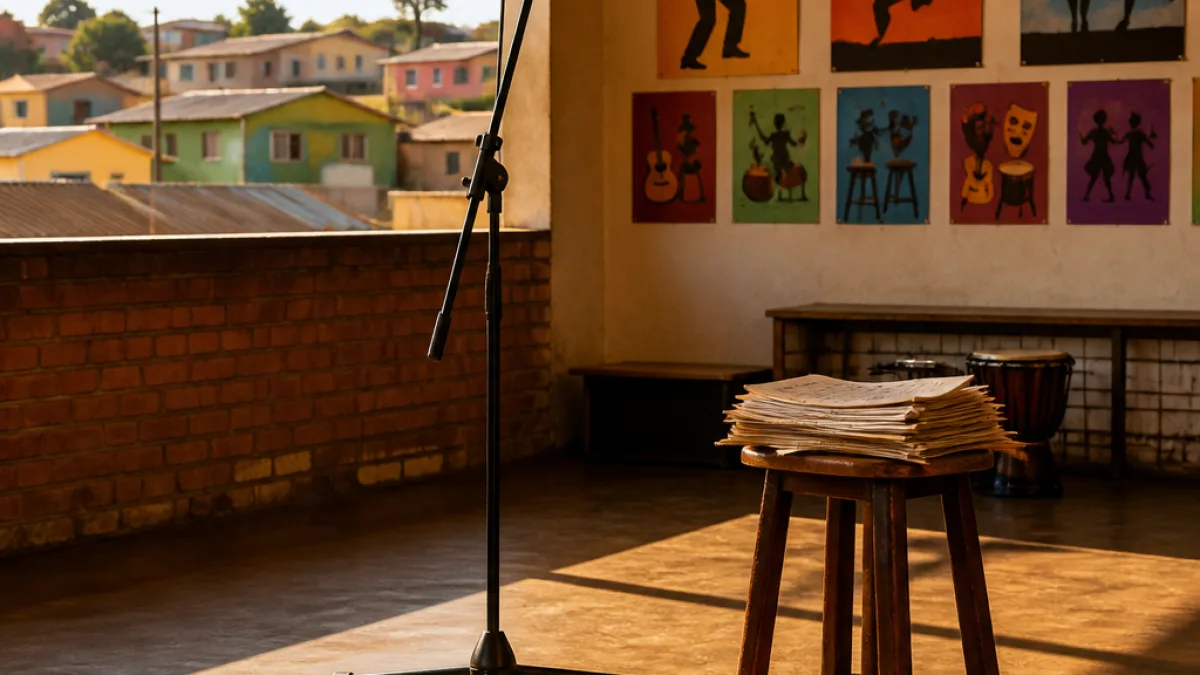
Firdy’s trajectory matters locally because it models a path for young creatives in townships who want to combine disciplines rather than choose between them. Her insistence on discipline, rehearsal and craft frames the arts as a serious practice that demands training — not simply raw talent. That message resonates in communities where arts programmes and spaces can be limited by resources.
Her work also raises questions about representation and how artists from places like Tembisa are labelled in the wider South African industry. By resisting reductive tags, Firdy is carving space for multifaceted identities in music and theatre — a stance that has both cultural and practical implications for bookings, funding and media coverage.
As she continues to release music and work in theatre, the combination of tight preparation, public ambition and an insistence on honest storytelling will keep her on the local radar. For audiences in Tembisa, that means a home‑grown performer whose work comes from the neighbourhood but speaks to wider conversations about womanhood, craft and artistic freedom.