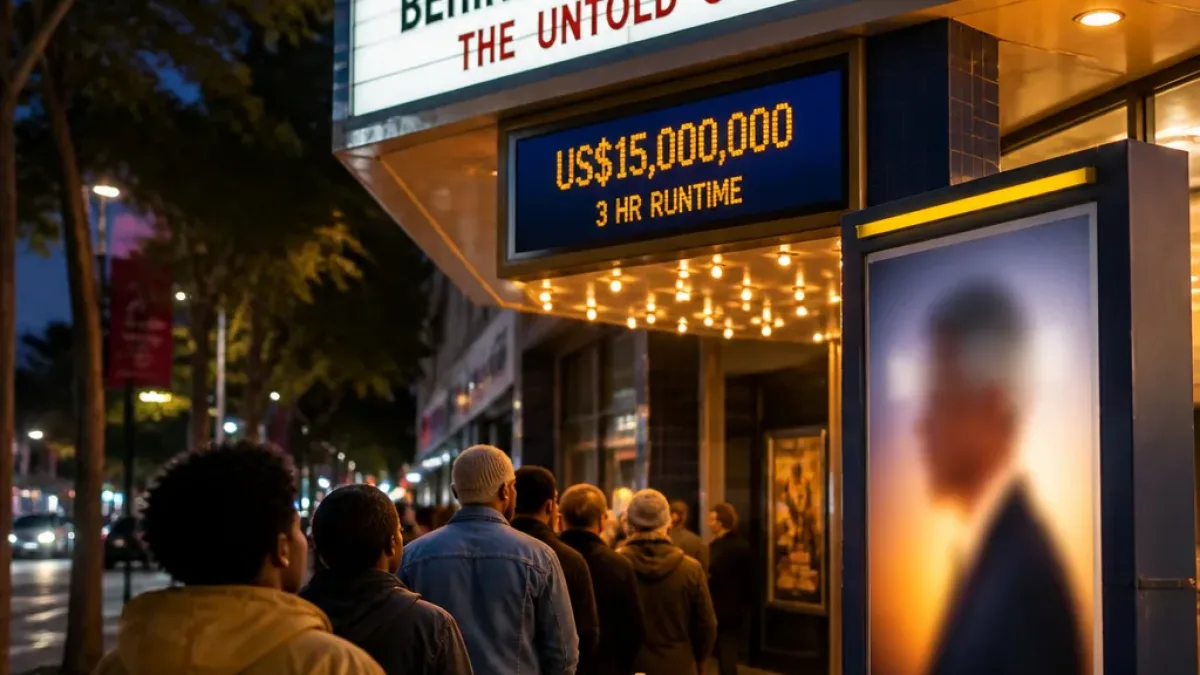
A documentary about former Theranos chief executive Elizabeth Holmes opened to an unexpectedly large US$15 million in its first weekend in the United States, striking a rare commercial chord for a three‑hour film that played on fewer than 1,000 screens, industry estimates show.
Big numbers for a long documentary
The film, titled You Can See Everything, recorded the haul in Rentrak box‑office estimates, according to reporting cited by Deadline. That figure places it among the highest opening weekends ever for a documentary that is not a concert or music film.
Only Michael Moore’s Fahrenheit 9/11 — which opened with US$23.9 million in 2004 — had a larger debut among non‑music documentaries, Deadline reported. By contrast, other recent documentaries on controversial figures or technology failures opened far lower; for example, the Melania Trump documentary Melania opened to around US$7 million this year and finished with a domestic gross near US$16 million.
- Opening weekend: US$15 million
- Screen count: fewer than 1,000 in the US
- Runtime: approximately three hours
Where it landed in the weekend chart
You Can See Everything claimed the No. 2 spot on the weekend box‑office chart, coming in behind the video‑game adaptation Street Fighter, which opened with US$31 million. The Holmes film also outperformed recent documentary debuts such as The Social Reckoning (US$5 million) and Digger (US$8 million).
| Film | Opening weekend (US) |
|---|---|
| Street Fighter | US$31 million |
| You Can See Everything | US$15 million |
| Fahrenheit 9/11 (2004) | US$23.9 million |
| Melania | US$7 million |
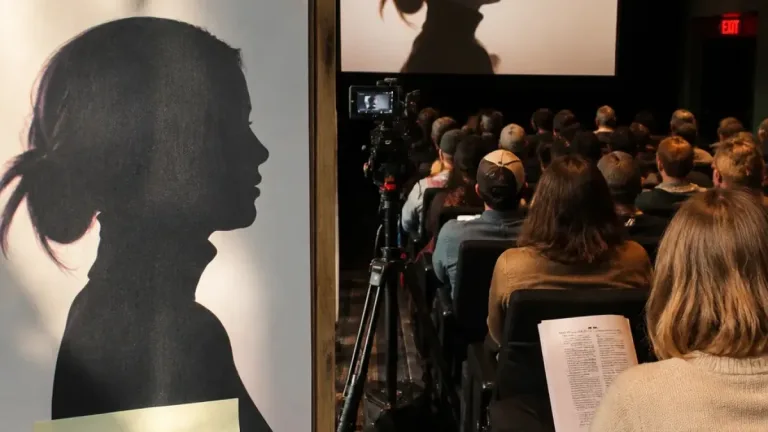
“You Can See Everything.”
Filmmakers, subject and framing
The documentary is directed by Nathan Fielder and Lance Oppenheim and follows Holmes in the 34 days before she reported to prison in 2023. Holmes founded blood‑testing company Theranos, which claimed to have developed devices capable of running numerous medical tests from a few drops of blood. Investigations later found the technology did not work, and the company dissolved in 2018.
Holmes was convicted of conspiracy to defraud investors and wire fraud. Former Theranos chief operating officer Sunny Balwani was also convicted of conspiracy and wire fraud. Holmes is scheduled for release from prison in 2030. Throughout the documentary, she maintains her innocence and asserts she never lied about the blood‑testing technology.
Fielder, who gained attention for the HBO series The Rehearsal, is known for projects that place him in unusual, real‑world situations. For this film he lived with Holmes and her partner, Billy Evans, to document their daily lives as part of the filmmakers’ access strategy. The couple had reportedly promised a high level of transparency to demonstrate they had nothing to hide, and that access forms a central element of the film’s narrative.
Context and consequences
The strong opening suggests sustained public appetite for long‑form portrayals of high‑profile corporate wrongdoing and the personalities behind them. It also underscores the commercial potential for documentary filmmaking when a project combines a well‑known subject, unprecedented access and directors with established profiles.
For South African audiences, the film adds to a broader global conversation about accountability in tech and start‑up culture, and the ways media can shape reputations long after corporate collapse. The box‑office performance may encourage distributors to back similarly ambitious documentary projects, particularly those that can secure compelling access or involve directors with recognizable brands.
As the film continues its theatrical run, box‑office tallies and critical response will determine whether its early commercial success translates into longer‑term grosses and award‑season traction.