Town and landscape woven together
Barberton is a place where history and geology are not separated by glass cases but run together along the streets, in the old mine workings and up into the ridgelines of the Barberton Makhonjwa Mountains. The town’s gold‑rush origins and the surrounding geology — among the oldest and best‑preserved rocks on the planet — continue to shape local life, tourism and the responsibilities of custodianship.
That history began long before the formal establishment of the town. Prospecting traces were recorded in 1874, and a decade later the discovery of reef gold by Henry Barber and his cousin Fred led to Barberton being named after Henry in July 1884. The boom era produced hotels, newspapers, a gold exchange opened in 1887, and a railway in 1893, leaving a built heritage that remains readable on the town’s streets.
Heritage, mining and the visitor economy
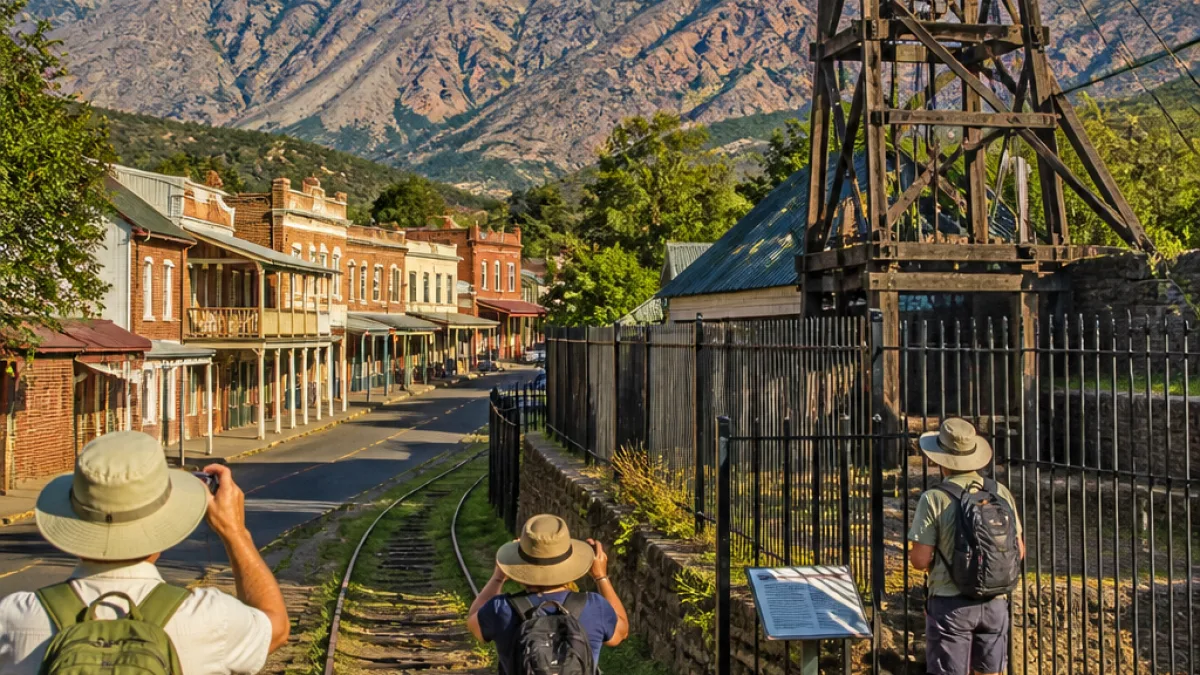
Walking Barberton’s town centre is how the place makes sense: the Barberton Heritage Walk links historic buildings and sites that tell of the short, intense boom and the long tail of mining activity that followed. Historic operations such as the Sheba Mine are part of a regional mining narrative that has continued for more than a century. That continuity matters for residents — employment, local services and the environment are all bound up with the minerals beneath our feet.
- Heritage assets: historic buildings, the Heritage Walk and the railway legacy.
- Geological significance: rocks in the surrounding mountains record Earth history stretching back billions of years.
- Tourism opportunity: visitors come for history, walking routes and the unique geology, supporting local businesses and guides.
"Here, the past is woven into the streets, mountains and old mining landscapes,"
The line above captures why visitors linger: Barberton is not a pass‑through for day trippers. The town rewards slow travel — time spent on foot, in the museums and on heritage routes gives context to the landscapes beyond the centre.
What the geology means locally
The Barberton Makhonjwa Mountains are a key asset. Their ancient rocks are of scientific and touristic value, attracting researchers and enthusiasts who add to local knowledge economies. For residents, that also brings obligations: land use, mining proposals and conservation interventions need to balance jobs and revenue with protecting a unique geological record.
| Milestone | Year |
|---|---|
| Prospecting traces recorded | 1874 |
| Town named after Henry Barber | 1884 |
| Gold exchange opened | 1887 |
| Railway reached Barberton | 1893 |
These markers are more than dates on a plaque. They underpin heritage tourism products that can diversify local incomes beyond active mining. Small guesthouses, museums, heritage walks and guided excursions into the Makhonjwa range are all ways the town can capture value from its story while encouraging conservation.
Balancing growth, mining and conservation
Barberton’s character arises from the intersection of people, history and very old rocks. Local authorities, landowners and tourism operators face choices about how to manage visitor access, preserve built heritage and regulate mining activity. The long presence of mining — both historic and modern — means any development needs careful environmental assessment, especially where fragile geological features and water resources may be affected.
For residents the message is pragmatic: preserve the qualities that draw visitors and researchers, because those same qualities support local livelihoods and identity. At the same time, ensure that any mining or development follows stringent environmental and heritage protections so Barberton’s story remains legible for future generations.
Barberton is, as the travel narrative puts it, a place to slow down. Its streets and mountains reward those who take the time — and for residents, the challenge is to turn that reward into sustainable, well‑managed opportunities for work, learning and conservation.