Community health leaders aim to better support grieving children
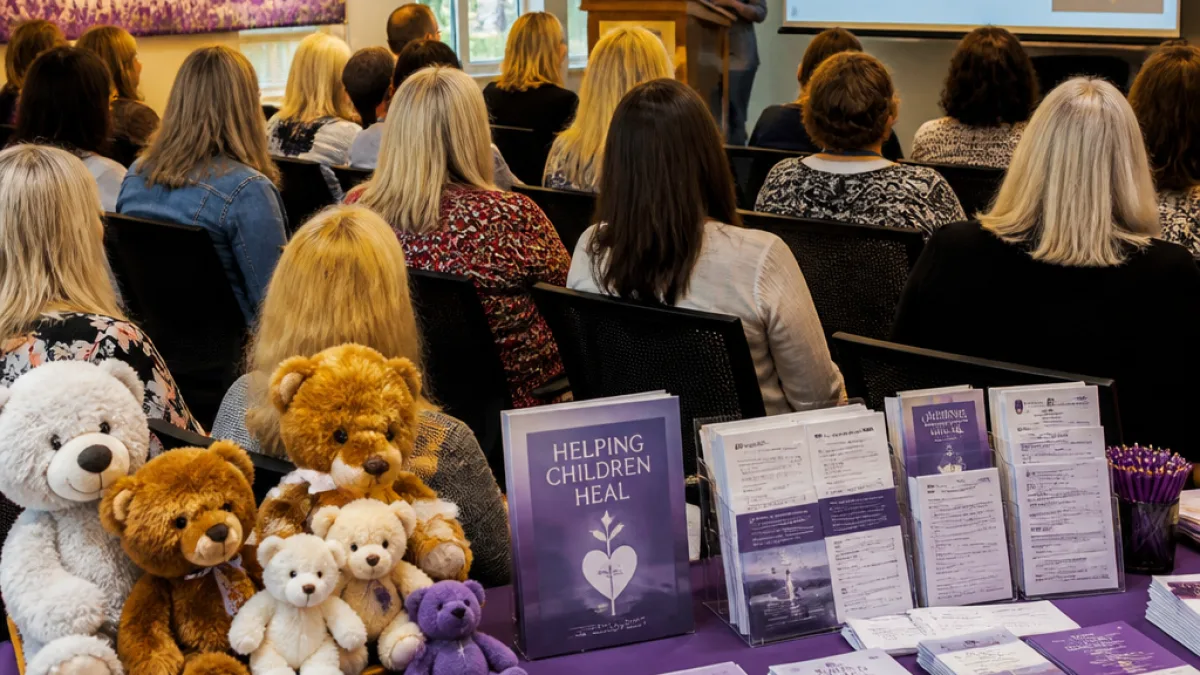
Wichita-area professionals joined Hospice of Wichita Falls for the inaugural Growing Through Grief Symposium, an event created to increase understanding of childhood grief and provide practical tools for those who work with bereaved children and their families. The symposium was made possible by a 2026 Grief Reach Grant, awarded to expand grief-awareness efforts across the Texoma region.
Hospice staff described the symposium as an opportunity to reach beyond clinical counselors and into schools, houses of worship and volunteer organizations that regularly interact with children. Organizers said the event sought to equip a wide range of community members with methods to recognize and address grief early, potentially reducing long-term developmental impacts.
"Grief as a child can really significantly impact their development growing up. So we want to try and mitigate that as much as possible and start working with them now,"
The remark came from Sydney Reese, Children's Program Specialist at Hospice of Wichita Falls, who emphasized the importance of early intervention. According to national research cited by organizers, roughly 6 million children in the United States will experience the death of a parent or sibling before they reach 18 — a statistic the hospice used to underscore the scale of need for trained responders.
Practical approaches and shared experience
Presentations and discussions at the symposium covered therapeutic techniques and community-based strategies. One session referenced the Oakland model as a tool to help children manage physiologic responses to grief through breathing and externalization techniques. Attendees included licensed professional counselors, school staff and other adults who interact regularly with children.
For many participants, the gathering provided both professional development and a space to share personal experiences of loss. Kristi Moffett, a licensed professional counselor associate, described how her own bereavement informed her work.
"My brother had died, it was 20 years ago. It was one of the most difficult times,"
She recalled being 18 when her brother, about eight years older, died — an experience she said continues to shape her perspective when supporting grieving clients.
Who the symposium targeted and why it matters locally
Organizers stressed that grief support should extend beyond mental-health clinicians. The symposium was designed to reach people who may encounter grieving children in the course of their work or volunteer activities, including:
- Teachers and school counselors — daily points of contact for children who may show behavioral or academic changes after a loss;
- Faith leaders — pastors and other spiritual caregivers who provide community-based support;
- Hospice volunteers and staff — those who already work with families during end-of-life care;
- Licensed counselors — professionals seeking targeted methods for childhood grief.
By broadening training to those groups, Hospice of Wichita Falls said it hopes to create a more grief-informed community where early signs of complicated grief can be recognized and addressed.
| Item | Detail |
|---|---|
| Organizer | Hospice of Wichita Falls |
| Event | Growing Through Grief Symposium (first-ever) |
| Funding | 2026 Grief Reach Grant |
| Primary focus | Childhood grief awareness and professional education |
Representatives emphasized that grief counselors are not the only professionals working with grieving children, a point echoed throughout the symposium’s programming. Attendees practiced techniques intended to be shared with colleagues and integrated into school and community settings.
Hospice leaders said the grant-supported initiative is the first step in a larger effort to build regional capacity for childhood grief support, with hopes that trained professionals and volunteers will carry lessons back into classrooms, clinics and congregations across the Texoma area.
Organizers encouraged anyone working with children to seek out resources and training opportunities, noting that early recognition and support can make a measurable difference in a child’s emotional and developmental trajectory following a death in the family.