
Stonepeak acquisition highlights Fort Worth's role in regional supply chains
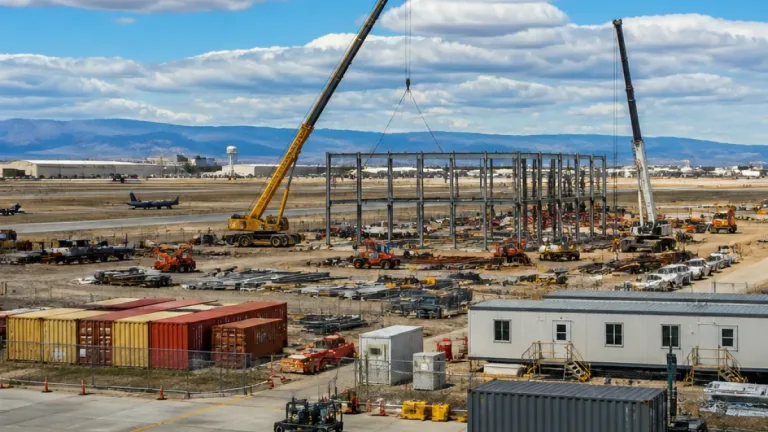
NEW YORK — A New York-based infrastructure and real assets firm has acquired a major logistics facility in Fort Worth, reinforcing the city’s growing profile as a freight and distribution hub. Stonepeak announced the purchase on Aug. 11 of an 860,100-square-foot, rail-served logistics asset located in the Alliance submarket of the Dallas-Fort Worth metroplex.
The Alliance area, which sits in north Fort Worth, is anchored by intermodal and air cargo infrastructure that appeals to investors focused on transportation-linked real estate. Stonepeak described the property as having direct connections to two Class I rail lines, proximity to the BNSF Alliance intermodal terminal and access to the Fort Worth Alliance cargo airport, along with access to Interstate 35.
- Asset size: 860,100 square feet
- Location: Alliance submarket, Fort Worth
- Transport links: Two Class I rail lines, BNSF Alliance intermodal terminal, Fort Worth Alliance cargo airport, I-35 access
Stonepeak, which manages roughly $93 billion in assets across infrastructure and real assets, emphasized that investments in properties tied to transportation infrastructure are part of its broader strategy. The firm’s real estate team said it targets sectors with embedded demand drivers and high barriers to entry, listing supply chain, residential, healthcare and technology real estate among its focuses.
“Stonepeak invests in the supply chain from producer to consumer. Real estate anchored by transportation infrastructure is a critical link in the supply chain.”
The transaction included legal counsel from Simpson Thacher & Bartlett LLP and financial advisory services from Newmark, according to Stonepeak. The company framed the purchase as consistent with its aim to back assets that provide inflation protection and durable cash flows.
Local implications and context
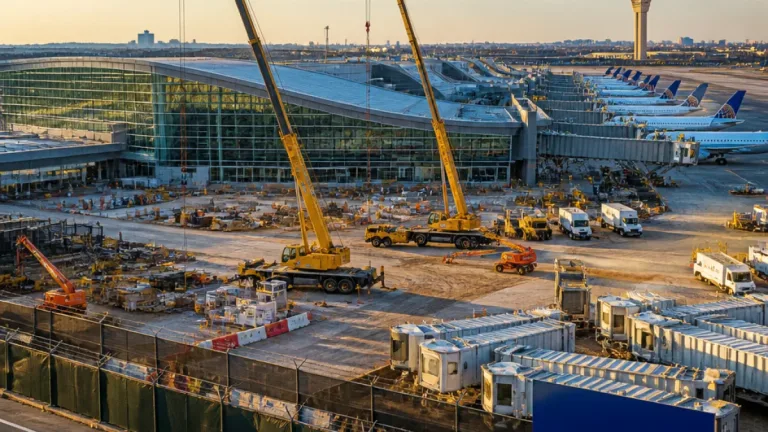
Fort Worth’s Alliance submarket has long been marketed as a logistics-friendly node in North Texas because of its rail, air cargo and highway connections. For local employers, shippers and commercial real estate stakeholders, acquisitions by large infrastructure investors signal sustained confidence in the region’s role in North American freight networks.
For residents, the deal illustrates the continuing conversion of land within and around Alliance into large-scale industrial uses. That growth can produce jobs in warehousing, logistics and transportation, but also raises questions about traffic, noise and land-use planning as more rail-served and truck-oriented facilities expand.
City and county planners have previously pointed to Alliance’s infrastructure assets as advantages for economic development. The area’s proximity to major highways such as I-35 — described by Stonepeak in its release as the "NAFTA highway" linking Mexico to Canada — enhances the site’s appeal for companies moving goods across the continent.
Investment strategy, market trends
Stonepeak presented the acquisition as thematic investing in sectors with long-term demand drivers. The firm said its real estate team seeks assets with “infrastructure characteristics” that are mission-critical to businesses and communities, a rationale increasingly common among large asset managers targeting industrial property.
Commercial brokers and analysts tracking the Dallas-Fort Worth industrial market have cited population growth and consumer demand as drivers of warehouse and distribution development. Stonepeak’s release noted the DFW region’s population of about 9 million and projected growth above national averages through 2031 as supporting fundamentals for logistics real estate.
| Feature | Detail |
|---|---|
| Asset type | Rail-served logistics facility |
| Size | 860,100 sq. ft. |
| Key infrastructure | Two Class I rail lines, BNSF intermodal terminal, cargo airport, I-35 access |
While Stonepeak didn’t disclose the seller or financial terms in the announcement, the firm’s purchase adds another large-scale logistics holding to the range of institutional investment in North Texas industrial assets. For Fort Worth, the deal underscores the city’s continuing importance in regional freight networks and the attraction of its transport-linked real estate to national and global investors.
Local officials and community stakeholders now face the ongoing task of balancing industrial growth with neighborhood impacts and infrastructure needs as investment in logistics property continues across the metro area.