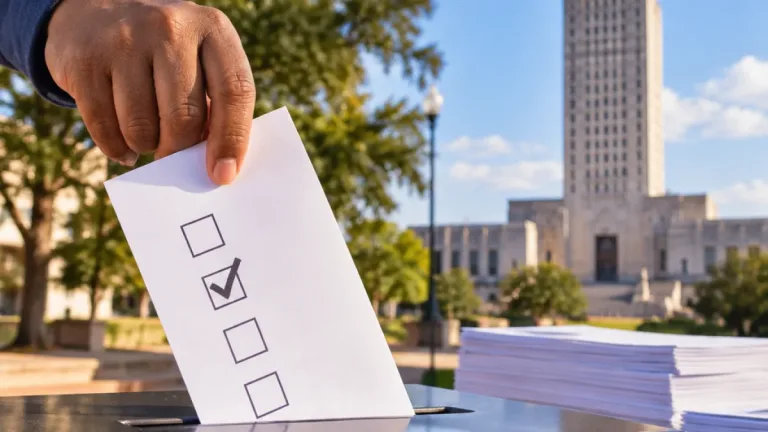
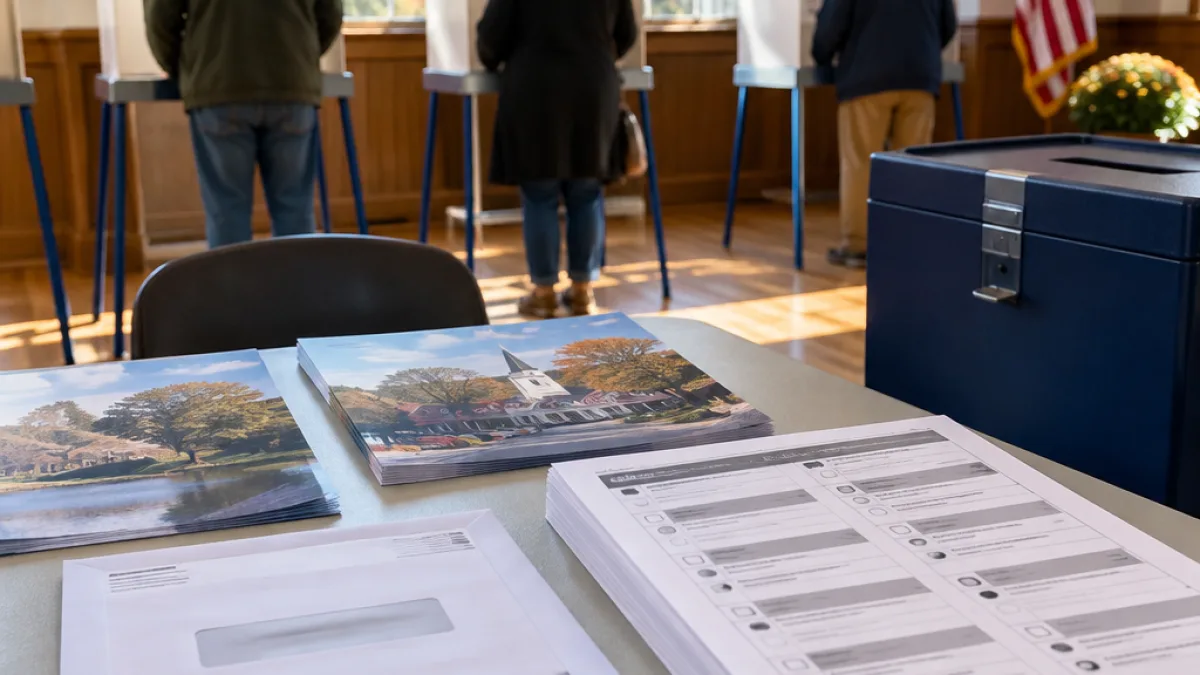
Massachusetts voters are facing an unusually lengthy ballot in the 2026 midterm election, with nine statewide questions scheduled for consideration on Nov. 3. The number of questions is the highest in more than two decades, according to the source material, adding an additional layer of decisions for residents already preparing to choose candidates.
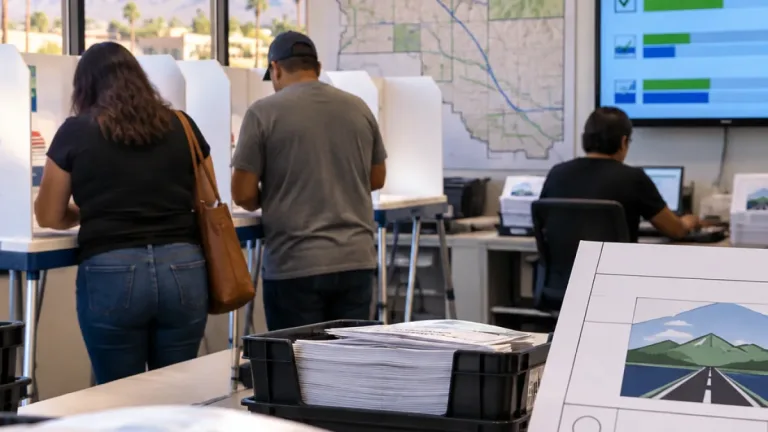
Early and mail-in voting are underway, while the final election is days away. Polls will open at 7 a.m. and close at 8 p.m. on Election Day. Early voting at Town Hall was available through Oct. 30, giving residents who used that option an opportunity to review the ballot before Nov. 3.
A longer ballot requires preparation
The questions cover a broad range of public policy issues, including changes to the state’s public-records system and proposals affecting marijuana and firearms regulations. The ballot also includes a question concerning the ability of Massachusetts public defenders to organize and form a union.
The unusually large number of questions has prompted local voter-education efforts. The Belmont League of Women Voters held a discussion Oct. 23 to help residents understand the proposals and consider how they would vote. Bonnie Friedman, who led the discussion, said the group’s goal was to encourage participation and give residents a setting in which to ask questions and debate the issues.
“If you go to vote forgetting about how you have to vote on nine questions, you’re going to be surprised when you walk through the door,” Bonnie Friedman said.
For voters, the practical message is straightforward: reviewing the questions before arriving at a polling location may make the process easier. A ballot with nine separate measures can require more time than a standard election ballot, particularly for residents who want to consider the language before marking either “yes” or “no.”
Question 1 would expand public-records coverage
Question 1 would change which state-government records are subject to Massachusetts’ public-records law. Under the proposal, most records held by the Legislature and the governor’s office would become subject to that law. A “no” vote would leave the current system unchanged.
The question follows a 2024 ballot measure that gave State Auditor Diana DiZoglio authority to audit the Legislature. The issue is also tied to the state’s unusual position nationally: Massachusetts is identified in the source material as the only state that exempts all three branches of government from public-records law.
Supporters of the measure would describe the proposal as a step toward greater transparency, while voters who oppose it would reject the change. The question’s outcome could affect how residents, journalists and advocacy groups seek records from the governor’s office and Legislature, although the measure’s summary specifies that it would apply to “most records,” rather than automatically making every government document public.
Question 2 concerns public defenders
Question 2 asks whether Massachusetts public defenders should be allowed to organize and form a union. The Committee for Public Counsel Services, known as CPCS, has approximately 500 attorneys who handle criminal cases and welfare matters.
Current state law does not permit CPCS attorneys to collectively organize to form a union. Supporters say attorneys and staff have sought legislative approval for years but have not succeeded. The ballot question therefore puts the issue directly before voters after those efforts in the Legislature.
Because the source material does not provide full descriptions of every measure, voters should consult official election information and the complete ballot language before casting their votes. The available breakdown identifies nine questions overall but provides detailed descriptions only for the first two in the material reviewed here.
What Massachusetts voters should know
| Election detail | Information |
|---|---|
| Election Day | Nov. 3, 2026 |
| Polls open | 7 a.m. |
| Polls close | 8 p.m. |
| Total ballot questions | 9 |
| Early voting at Town Hall | Available through Oct. 30 |
Residents who have not yet reviewed the ballot can focus on several basic steps before Election Day:
- Read the wording of all nine questions before going to the polls.
- Review the official explanations of what a “yes” or “no” vote would do.
- Allow additional time at the polling place because of the ballot’s length.
- Confirm the applicable voting arrangements if using mail-in voting.
The ballot’s size makes voter education especially significant. Friedman said the League of Women Voters organized the Belmont discussion because the record-tying number of questions created a particular need for residents to exchange information and ask questions. Such forums do not tell voters how to vote; they are intended to help them understand what they will encounter.
With Election Day approaching, the nine questions are likely to receive attention alongside the candidate contests. The measures address transparency in state government, collective-organizing rights for public defenders and other policy areas named in the ballot overview. The decisions made by voters Nov. 3 will determine whether those proposed changes move forward or whether existing law remains in place on the questions that fail.