Massachusetts voters appear unlikely to reverse the state’s decade-old decision to legalize recreational marijuana, according to a series of recent polls conducted ahead of next Tuesday’s vote on Question 8.
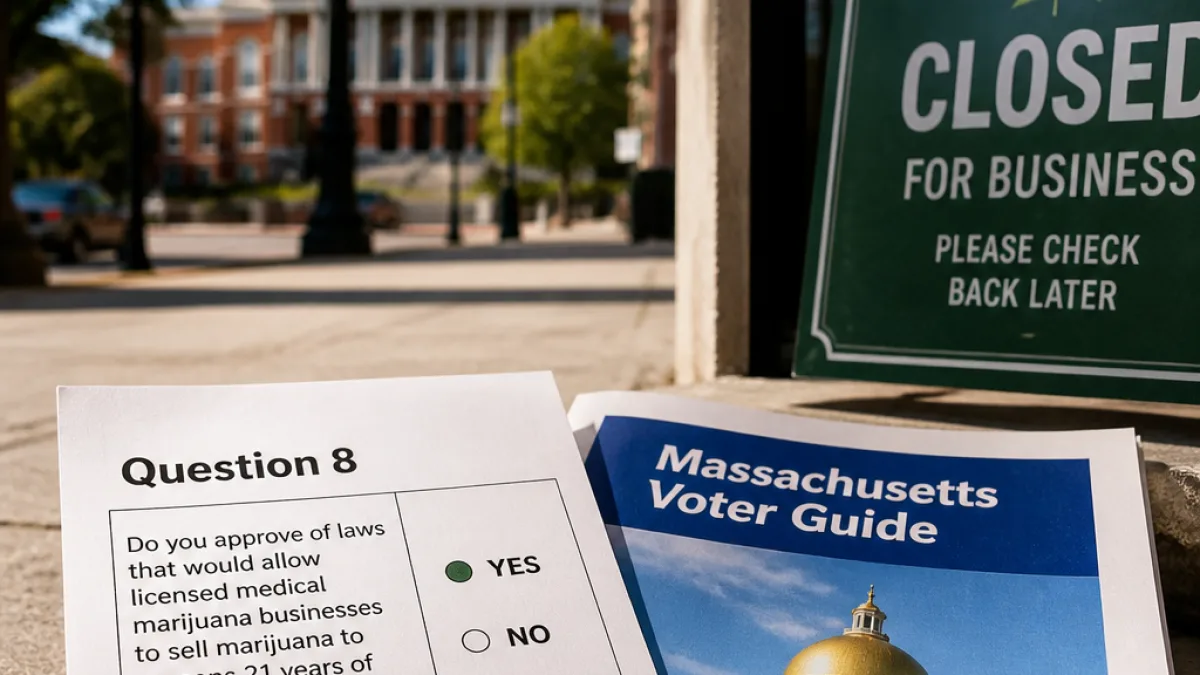
The proposed ballot measure, formally called the Eliminate Recreational Marijuana Sales and Allow Limited Possession Initiative, would preserve adults’ ability to possess a limited amount of cannabis but eliminate the state’s licensed recreational marijuana market. It also would continue to allow medical marijuana.
Question 8 would permit people 21 and older to possess up to one ounce of marijuana. Under the proposal, however, adults could not legally purchase cannabis from state-licensed stores or grow it themselves. The result would be a system in which possession remains legal but lawful commercial access disappears, leaving the black market as the source for recreational purchases.
Polls show broad opposition to the repeal effort
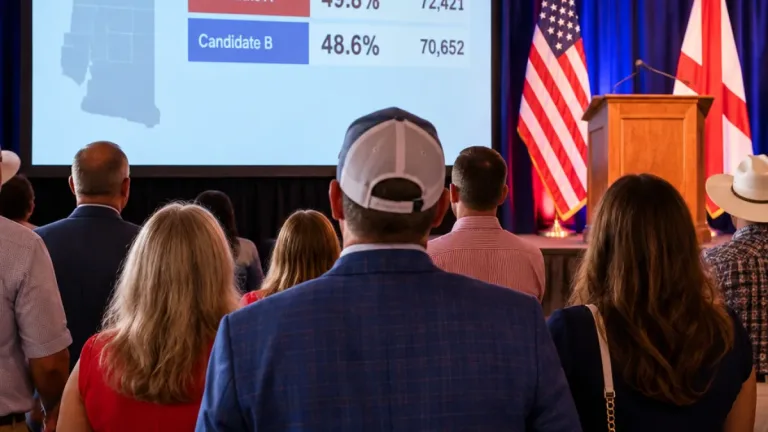
The measure faces a significant polling deficit. Across eight surveys conducted from mid-February through mid-October, support for Question 8 ranged between 20% and 41%. The latest survey cited in the source material, conducted by The Boston Globe, found that 71% of respondents planned to vote against the initiative.
| Measure | Finding |
|---|---|
| Question 8 support in eight polls | 20% to 41% |
| Latest Boston Globe survey | 71% planned to vote no |
| 2016 marijuana ballot measure | 54% voted yes |
Those numbers suggest that the campaign to end licensed recreational sales has not persuaded a majority of voters, even as it argues that legalization has produced serious social and public-health consequences. The polling also indicates that the political environment surrounding marijuana has changed since Massachusetts voters approved legalization a decade ago.
What the initiative would change
Question 8’s supporters say the proposal is not a return to complete prohibition. Their stated position is that personal possession would remain legal, medical marijuana would continue, and commercial recreational stores would be shut down. The initiative therefore focuses on the retail and cultivation framework created after voters approved Question 4.
- Adults 21 and older could possess up to one ounce of cannabis.
- Medical marijuana would remain legal.
- Recreational marijuana stores licensed by the state would no longer operate.
- Adults could not legally grow marijuana under the proposed system.
The measure’s structure is central to the debate. Supporters are seeking to remove the regulated commercial channel while retaining limited personal possession. Opponents, including marijuana businesses, argue against dismantling a legal marketplace that replaced an earlier prohibition-based approach.
Supporters cite safety and health concerns
The Coalition for a Healthy Massachusetts, which sponsored Question 8, says legalization has harmed productivity and contributed to a range of problems. Its allegations include increases in fatal car crashes, workplace injuries, health care costs, crime and emergency-room visits.
The coalition also points to mental-health concerns, including psychosis, severe anxiety and schizophrenia, particularly among young adults. Those claims form the core of the campaign’s argument that Massachusetts should reconsider the consequences of allowing recreational cannabis sales.
“Many of them voted for this initiative 10 years ago and feel betrayed,” Kevin Sabet told WGBH.
Sabet, a co-founder of Smart Approaches to Marijuana, said he became involved after hearing from Massachusetts residents who supported legalization in 2016 but later changed their views. The coalition is funded almost entirely by the Virginia-based Smart Approaches to Marijuana group.
Campaign spending has been substantial
By Oct. 20, Smart Approaches to Marijuana had spent $3.7 million on the Question 8 effort, according to the source material. The opposition had spent $2.8 million, with marijuana businesses among those backing the campaign against the initiative.
The spending reflects the stakes for both sides. For supporters, the vote is an opportunity to eliminate recreational cannabis stores while maintaining limited possession and medical access. For opponents, it is a defense of licensed sales and the broader legal structure approved by voters in 2016.
A sharp contrast with the 2016 vote
A decade ago, 54% of Massachusetts voters approved Question 4, the ballot initiative that legalized possession, home cultivation and commercial distribution of recreational marijuana. That vote established the framework Question 8 now seeks to dismantle in part.
The current polling does not indicate that voters are prepared to erase the commercial system. Instead, the surveys suggest that most Massachusetts voters favor retaining licensed recreational sales, despite the health, safety and social concerns raised by the repeal campaign.
The final result will determine whether Massachusetts continues with a regulated recreational market or moves to a narrower model that allows limited possession but prohibits licensed retail sales and personal cultivation. Until voters cast their ballots next Tuesday, the available polling points to a likely rejection of Question 8.