Plymouth, Mass. — A judge declared a mistrial Friday in the prosecution of Lindsay Clancy, the Duxbury mother charged with killing her three young children in 2023, after jurors told the court they could not reach a unanimous verdict following six days of deliberations.
Jury reports deadlock, judge ends trial
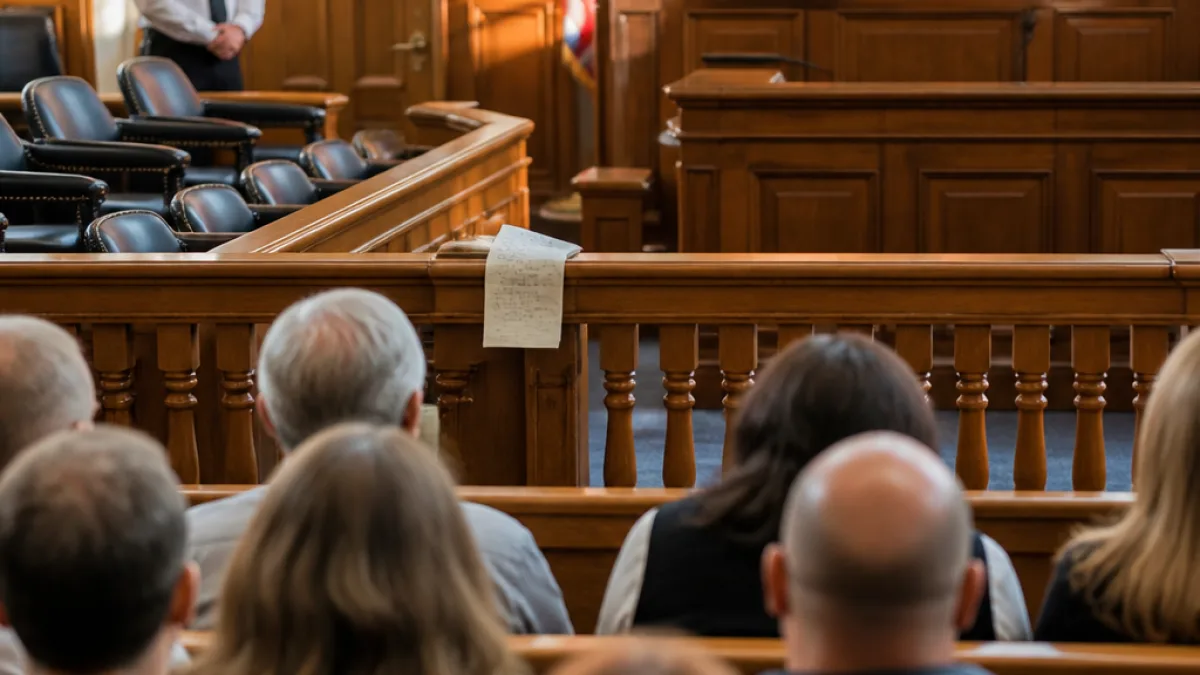
After the jury sent a note to the court indicating it could not come to agreement, Judge William Sullivan concluded the panel was hopelessly split and declared the mistrial. The jury reported that one member disagreed with the other 11.
"It is with a heavy heart that we report we are unable to come to a unanimous decision, and we will not be able to."
The decision follows a denied emergency appeal to the Massachusetts Supreme Judicial Court earlier Friday, a request lodged by Clancy's defense team. The court’s denial left the trial to proceed to a resolution by the jury, which the panel ultimately did not reach.
Charges and defenses
Clancy, 36, has been charged in connection with the deaths of her children — Cora, 5; Dawson, 3; and Callan, 8 months — who were found dead in the family's Duxbury home in 2023. Prosecutors have accused Clancy of strangling the children. The defense argued she was suffering from severe postpartum psychosis at the time and should not be held criminally responsible; the prosecution countered that evidence showed planning and intent.
Officials respond
After the mistrial was declared, Judge Sullivan thanked jurors for their diligence and acknowledged the emotional difficulty of the proceedings.
Plymouth County District Attorney Tim Cruz declined to say at a press conference whether his office intends to seek a retrial. He emphasized the focus on the victims.
"But in the end, I bring it all back to the child victims in this case, Cora, Dawson, and Callen. This was, and has always been, about getting justice for those three little babies," Cruz said.
Clancy will remain in custody at a state hospital, where she has been held for more than three years pending the outcome of criminal proceedings.
What comes next
The mistrial returns decision-making power to the Plymouth County District Attorney’s Office, which must weigh whether to retry the case. Factors prosecutors typically consider include the strength of the evidence, the likelihood of securing a unanimous jury in a subsequent trial, the interests of the victims’ families and the public, and the emotional toll of repeat proceedings on witnesses.
- Deliberation length: Jury deliberated for six days before reporting an impasse.
- Jury split: Reported as 11 jurors to one juror in disagreement.
- Custody status: Clancy remains in a state hospital, in custody for more than three years.
Context and community impact
The case drew intense public attention from the start because of the ages of the victims and the defense’s assertion of severe mental illness at the time of the deaths. Community members and legal observers have followed both the factual record and the competing legal strategies closely, and the mistrial means questions of responsibility and accountability remain unresolved.
Should prosecutors pursue another trial, preparations could take months. If they decline, the state could explore other avenues, including potentially civil or administrative actions, though any such steps would depend on law and legal strategy.
The outcome leaves families, neighbors and the wider public awaiting the district attorney’s decision and underscores the challenges courts face when grief, mental illness defenses and criminal responsibility intersect.
Reporting from Plymouth County Superior Court contributed to this article.