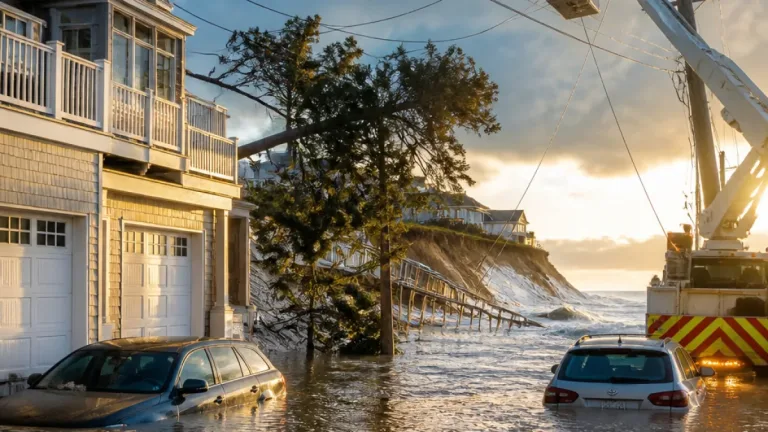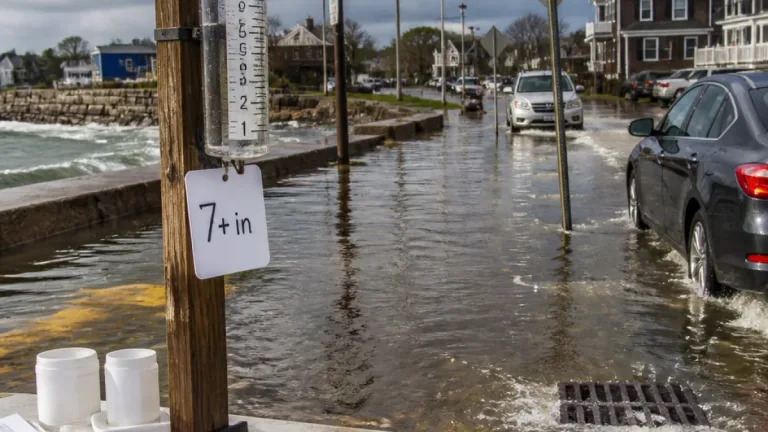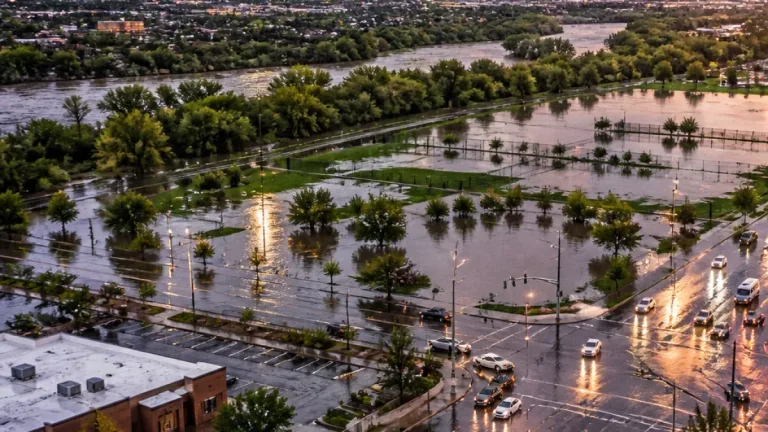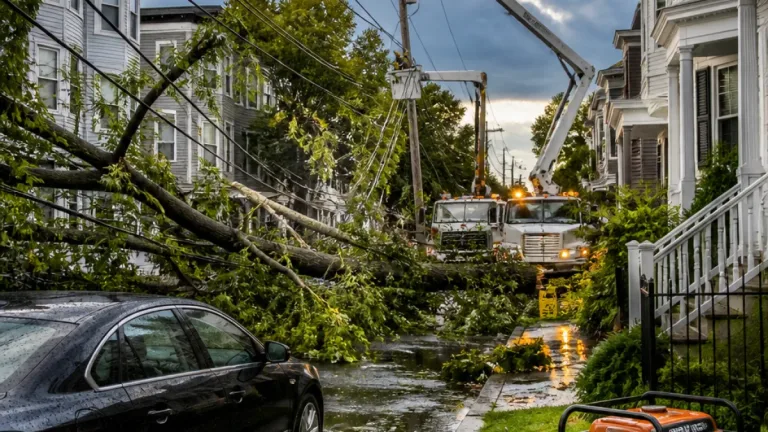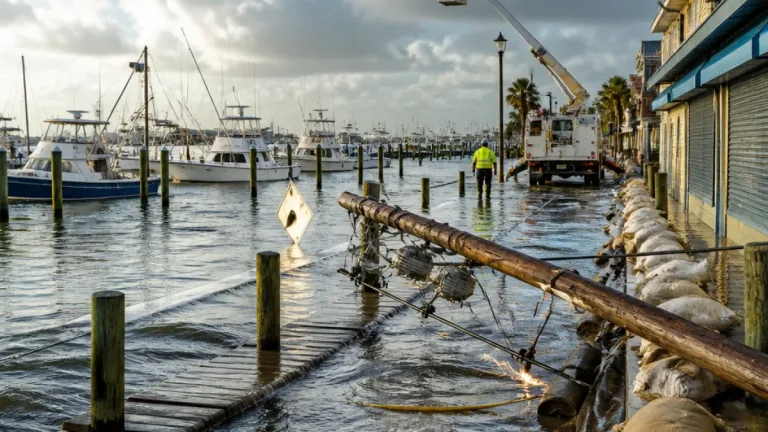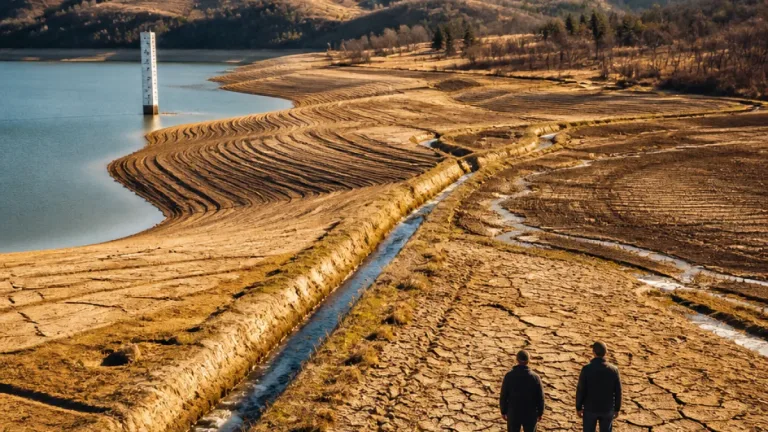

Governor Ned Lamont announced Friday that recent heavy rains have led state officials to remove all previously declared drought advisories across Connecticut, including those affecting Hartford County. The decision follows recommendations from the Connecticut Interagency Drought Workgroup, the state body that monitors hydrologic conditions and advises the governor on drought response.
What changed and why
State officials said the rains that fell across the region "brought relief to Connecticut," prompting the formal lifting of drought advisories that had been issued earlier this summer. In June, Lamont declared a Stage 2 drought advisory for three counties — Fairfield, Middlesex and New Haven — in response to decreased precipitation, significantly low streamflow in water bodies and heightened wildfire danger.
"[The rainfall] brought relief to Connecticut," the governor said in announcing the change.
With Friday's action, all eight of Connecticut’s counties are left with no formal drought declarations, according to the state announcement. The Interagency Drought Workgroup — made up of representatives from several state agencies — recommended removing the advisories after reviewing updated measurements and conditions.
What the advisory levels mean
The state uses a five-tier Drought Advisory Preparedness and Response Plan. Officials said Stage 1 is the lowest level of concern and Stage 5 is the most extreme. The June declaration for Fairfield, Middlesex and New Haven at Stage 2 signaled an elevated level of concern but was not the highest designation.
| Stage | Relative severity |
|---|---|
| Stage 1 | Lowest level |
| Stage 2 | Second of five levels |
| Stages 3–5 | Higher levels, with Stage 5 most extreme |
Local implications for Hartford residents
- Water restrictions: With the advisories lifted, mandatory countywide restrictions tied to those advisories are no longer in effect; however, residents should continue to follow guidance from local water utilities.
- Wildfire danger: Officials said recent rains reduced the heightened wildfire risk that helped prompt earlier advisories, though residents should remain alert during dry spells.
- Ongoing monitoring: The Interagency Drought Workgroup will continue to track precipitation, streamflow and other indicators and may recommend actions if conditions change.
State officials encouraged residents to remain informed through official channels. For more information on drought status and the state's monitoring program, the Connecticut Interagency Drought Workgroup maintains updates and resources at portal.ct.gov/Water/Drought/Drought-Home.
Context and next steps
The removal of advisories is a response to recent hydrologic improvements; it does not preclude future advisories if conditions deteriorate. Water managers and emergency planners typically emphasize that drought conditions can return quickly in periods without sufficient rainfall. The workgroup meets regularly to review data and advise the governor on appropriate responses, balancing public-safety concerns, water-supply management and wildfire risk.
For Hartford-area residents, the immediate outlook is one of relief from the restrictions and heightened concern that marked midsummer. Municipal officials and utilities will still be the primary sources for any local measures, such as targeted conservation requests or operational changes to reservoirs and treatment systems.
Residents with questions about local water use rules or wildfire preparedness should contact their municipal offices or local water utility. State resources and the Interagency Drought Workgroup page provide statewide status reports and technical background on the drought-advisory system.