EASTON, Conn. — For many Connecticut residents who answered the call at the World Trade Center after the Sept. 11, 2001, attacks, the memory of that day remains vivid — and the consequences continue to surface decades later.
Search, loss and prolonged effects
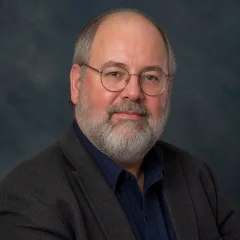
Andrew Darrow, a 69-year-old Easton resident who served 43 years as a firefighter, recalled arriving at Ground Zero the day after the two towers fell. He spent long shifts searching through piles of twisted steel, concrete and paper in the faint hope of finding survivors.
“It was surreal,”
Darrow said he worked for roughly 24 hours at a stretch at the site where the North Tower once stood, then returned for a second day. The work involved moving debris into buckets and attempting to dig deeper into collapsed structures, efforts often stymied by rebar and other hazards. “The first thing I realized is there are probably no survivors,” he said.
The attacks on Sept. 11, 2001, killed 2,977 people, including 441 first responders, a loss described by the 9/11 Memorial & Museum as the greatest single-day loss of emergency personnel in U.S. history.
Health consequences emerging years later
Those who worked in and around the WTC exposure zone were breathing air contaminated with jet fuel, glass, fibers, construction materials and a range of known carcinogens, according to Barasch & McGarry, the New York law firm that represents many 9/11 victims across the country, including hundreds from Connecticut.
Darrow said he did not experience serious medical symptoms immediately after his recovery work. He continued serving as a firefighter for another 23 years before developing troubling signs. In 2024, doctors diagnosed him with bladder cancer, which his physicians suspect may be linked to his time at Ground Zero.
The emergence of chronic illness among first responders and nearby residents has become a central part of the post‑9/11 public-health conversation. Many who worked the site or lived in adjacent neighborhoods have later developed respiratory ailments, cancers and other conditions associated with toxic exposure.
Local perspective and personal costs
For Darrow and others, medical diagnoses, treatments and the emotional aftermath have persisted for years. He described the experience of returning to the site and the stark sight of “dust on everything and the amount of papers that were everywhere.” He said the recovery work yielded personal effects such as keys and driver’s licenses, but few indications of survivors.
Those who responded to the disaster have also faced bureaucratic and legal hurdles to obtain recognition and benefits tied to exposure-related illnesses. Legal advocates point to the complexity of proving causation and securing compensation or coverage for long-latency diseases.
What families and communities are confronting now
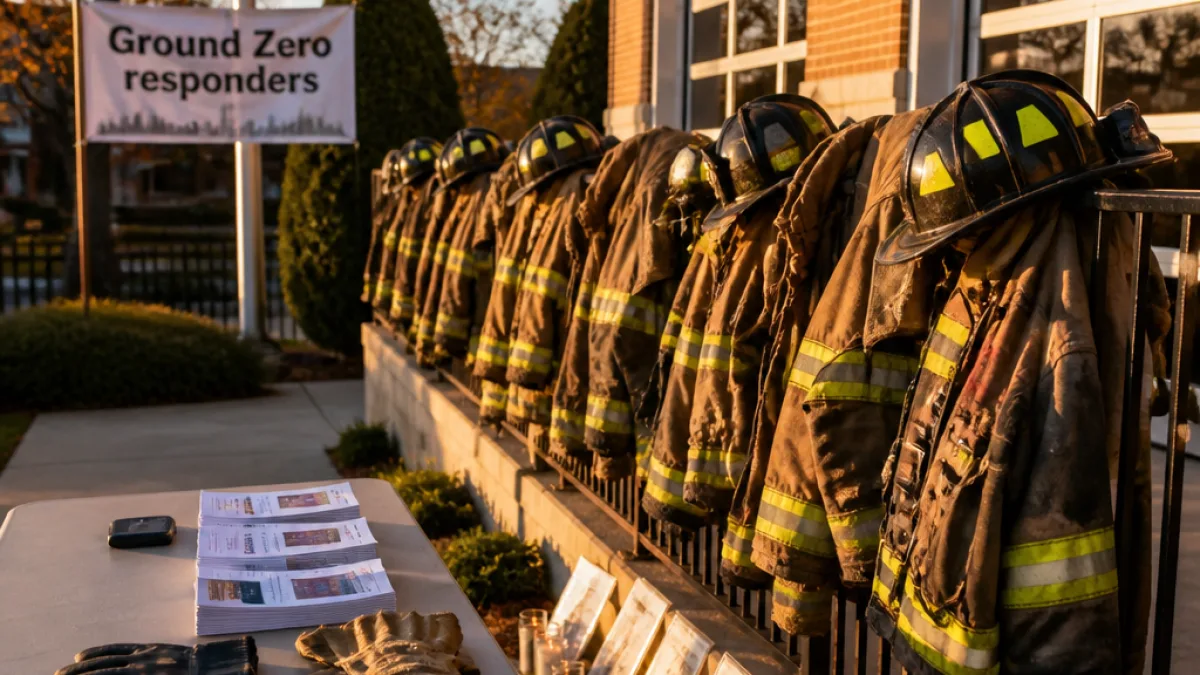
As the anniversary of 9/11 is observed, Connecticut families are continuing to reckon with losses and ongoing health battles. Local emergency services leaders, advocacy organizations and law firms say they continue to assist victims in documenting medical conditions and navigating claims.
- Immediate response: Thousands of emergency personnel and volunteers converged on Lower Manhattan in the days after the attacks.
- Long-term effects: Many responders and residents have since been diagnosed with respiratory illnesses, cancer and other disorders linked to toxic exposure.
- Assistance: Legal and advocacy groups are providing support to help affected Connecticut residents pursue medical care and compensation.
Community remembrance ceremonies and outreach efforts in Connecticut often focus both on honoring those who died and on supporting survivors and families now confronting chronic illness and loss.
Numbers and context
| Statistic | Figure |
|---|---|
| Total killed on Sept. 11, 2001 | 2,977 |
| First responders killed | 441 |
Officials and advocates say the story of 9/11 is not limited to the immediate casualty count; it includes an expanding list of survivors and responders whose health has been compromised by exposure. For Connecticut, that has meant veterans of local fire departments, police and emergency services seeking medical monitoring, treatment and, in some cases, legal redress.
As Connecticut communities prepare observances for the anniversary, local leaders emphasize both remembrance and the continuing need to address the physical and emotional scars left by that day — a task that remains unfinished for many who served.
Marcus Feldman is the state correspondent for WE NEWS.