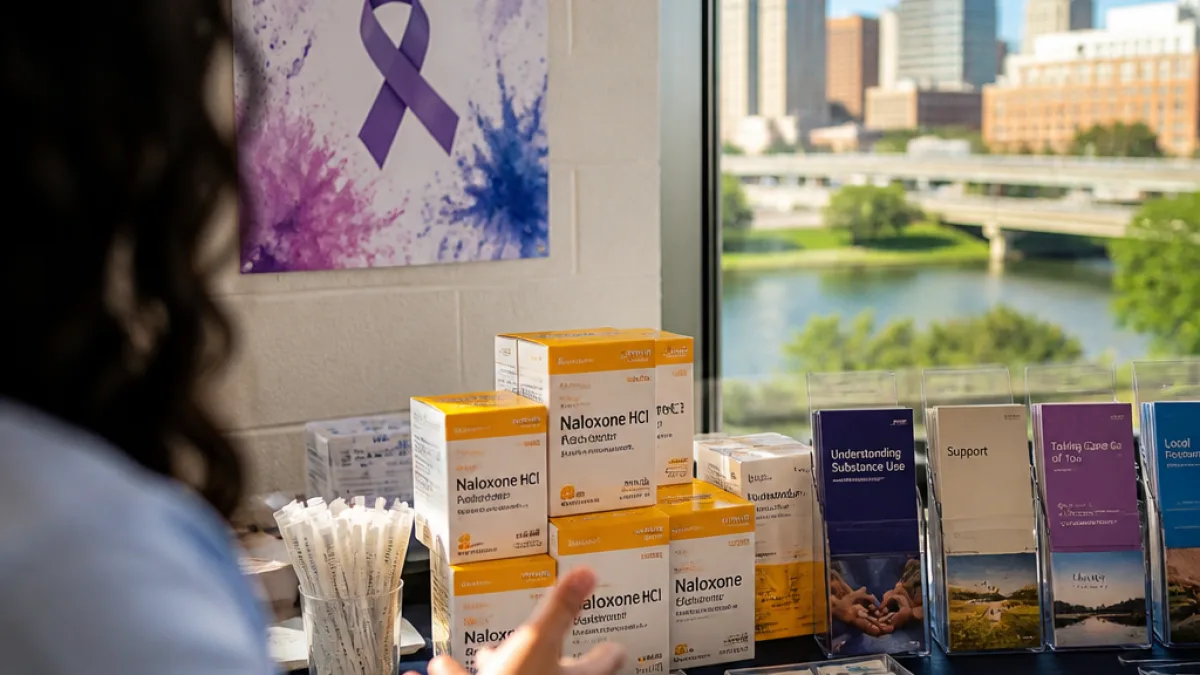
BRIDGEPORT — As National Recovery Month begins, health officials and local advocates are sounding the alarm about an apparent influx of potent illicit drugs across Connecticut that combine opioid fentanyl with veterinary sedatives such as xylazine.
New combination heightens overdose risk
John Hamilton, executive director of Bridgeport-based nonprofit Liberation Programs, told WE NEWS that the new drug mix is emerging at an alarming pace. Evidence collected by the organization indicates that products sold on the street increasingly contain both fentanyl and veterinary drugs, a pairing Hamilton characterized as highly toxic and potentially fatal.
“We re doing what we can, but we have to increase the sense of awareness. There are people out there that naive will purchase something and they don't know what they're purchasing.”
Hamilton urged heightened community vigilance and said that while his organization is expanding services, public awareness remains the most critical defense against unintentional poisoning.
Local response: testing, Narcan and outreach
Liberation Programs has mobilized multiple harm-reduction measures intended to lower overdose deaths and inform people who use drugs and their communities. Those actions include:
- Providing drug analysis services to identify substances in samples.
- Distributing fentanyl test strips so users can check for fentanyl contamination.
- Supplying naloxone (Narcan) to reverse opioid overdoses.
- Increasing public education and outreach efforts to raise awareness about the risks of unknown drug content.
Hamilton emphasized that these tools can reduce harm but cannot eliminate danger when users are unaware of what they purchase. The presence of veterinary sedatives complicates responses because such agents can cause deep sedation and respiratory depression that may not respond solely to naloxone.
Why xylazine matters
Xylazine is a veterinary sedative not approved for human use. When mixed with fentanyl, it can intensify central nervous system depression and produce prolonged sedation that complicates emergency care. Unlike pure opioid overdoses, some effects of xylazine may not be fully reversed by naloxone, making rapid medical attention essential.
The appearance of xylazine alongside fentanyl has been reported in other regions, and local health advocates say Connecticut is seeing a similar pattern. Liberation Programs' deployment of testing and naloxone is intended to both reduce fatalities and gather data to better understand how widespread the adulteration is.
What residents should know and do
Public health leaders recommend several practical steps for residents concerned about overdose risk or wanting to support someone who uses drugs:
- Carry naloxone and know how to use it. Narcan can reverse opioid effects and is distributed by local organizations.
- Use fentanyl test strips when possible to check for fentanyl contamination.
- Seek immediate medical help for any suspected overdose — do not assume naloxone alone will resolve the situation.
- Attend local outreach or education events hosted by harm-reduction providers to learn more about safer practices.
| Intervention | Purpose |
|---|---|
| Drug analysis services | Identify substances in samples to inform users and public health response |
| Fentanyl test strips | Detect fentanyl contamination before use |
| Naloxone (Narcan) | Reverse opioid-induced respiratory depression |
Limitations and next steps
While Liberation Programs is increasing outreach and supplies, Hamilton and other advocates caution that these efforts depend on broader community engagement and access. Because xylazine is not an opioid, overdoses involving it may need extended monitoring and advanced medical care beyond naloxone administration. Gathering more forensic data on seized substances and samples will be important to map the scope of contamination across the state.
Officials at state public health and law enforcement agencies were not quoted in the initial report, and Liberation Programs' actions underscore a growing role for community-based organizations in frontline harm reduction. As Recovery Month begins, local groups say the public should treat unlabelled or unfamiliar drugs as potentially lethal and take simple, life-saving precautions.
WE NEWS will continue to monitor local outreach efforts and provide updates as public health data and official statements become available.