
The Beaumont City Council voted Tuesday night to set a proposed property tax rate slightly above 68 cents per $100 of assessed valuation after nearly four hours of debate and several rejected alternatives.
Close vote after extended discussion
The measure passed with a split vote: Council members Cory Crenshaw, LaDonna Sherwood, Chris Durio and AJ Turner supported the proposed rate, while Mayor Roy West and council members Mike Williams and Joey Hilliard opposed it. City staff said the chosen figure accounts for debt obligations the city already has, including bonds previously approved by voters, and is lower than an earlier rate the administration had proposed.
Council members spent hours working through different rate scenarios, including examining the no-new-revenue option and versions that would explicitly include debt service tied to voter-approved projects. The council majority ultimately settled on a rate intended to cover existing obligations rather than generate new spending authority.
Impact on homeowners and concerns raised
Councilwoman LaDonna Sherwood, who represents Ward 3, said the annual cost increase would be modest for many homeowners.
"It's minimal, really. Something like $50 for the year on a house valued at $150,000,"
Opponents of the proposed rate emphasized fiscal decisions made in prior years. Councilman Mike Williams, who voted against the measure, criticized past expenditures and questioned whether all spending decisions have maximized taxpayer value.
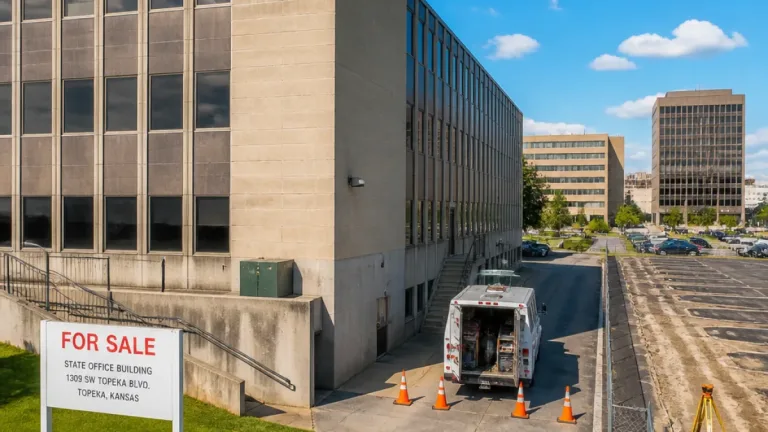
"We can point to, you know, some of us want here, but we've spent $5 million on the AT & T building for a piece of property that's not vacant, that's sitting there, that's not collecting any tax money. We've spent hundreds of thousands of dollars on hotel ---studies, on bond studies, and to sit up here every single meeting and say, public safety, public safety, public safety is pretty important to the people of this city.."
Sherwood said she believes transparency about how funds are spent will help win public support.
"I think that most of the time, people don't want things for cheap. They want quality services and they don't mind paying for it. I think we have to do a good job of explaining what we're doing with the money and how we're spending it,"
Next steps: hearings and final vote
Council members emphasized that Tuesday's action established a proposed rate; it is not the final levy. The council set a public hearing for Sept. 8. State law requires a separate final vote on the tax rate, and the council plans to take that vote two weeks after the hearing. By statute, the council can only reduce the proposed rate at the final vote, not increase it.
- Proposed rate: slightly above 68 cents per $100 valuation
- Public hearing: Sept. 8
- Final vote: scheduled two weeks after the hearing
| Item | Detail |
|---|---|
| Council vote | 4 in favor, 3 opposed |
| Homeowner example | ~$50/yr on $150,000 house (per council) |
| Next public action | Public hearing Sept. 8; final vote two weeks later |
Local context and implications
The proposed rate reflects a balancing act many Texas cities face between meeting debt service, funding core services and limiting additional burdens on property owners. For Beaumont, the subject is timely because the city is managing outstanding obligations tied to prior voter-approved bonds and other expenditures. The council’s narrow majority favored a rate that officials say covers those commitments.
Residents who want to weigh in will have the opportunity at the Sept. 8 hearing to ask questions and offer testimony before the council takes its final vote. Because the council can only lower the proposed rate at the final vote, public input in September will be the main avenue for influencing the ultimate levy for the coming year.
City officials and council members have said they will continue outreach to explain how tax revenue would be used. For homeowners watching a tight budget, the coming weeks will determine whether the proposed increase remains in place or is trimmed before becoming final.