Ballot measure sets stage for major local utility decision
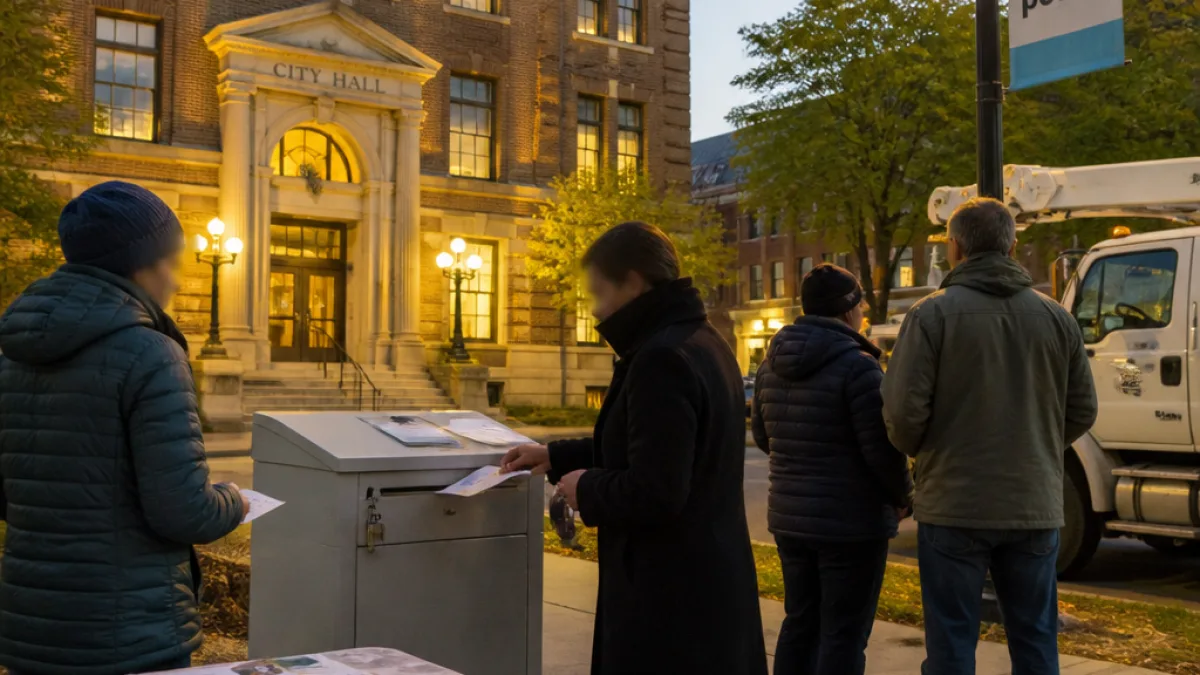
Ann Arbor voters will decide this November whether the city should take a formal step toward creating a city-run electric utility and potentially shift away from DTE Energy. The measure, placed on the ballot after a petition drive that gathered thousands of signatures, would authorize the creation of a board charged with exploring the feasibility and implications of municipal ownership.
Supporters, led by Sean Higgins of Ann Arbor for Public Power, say the proposal gives residents control over who supplies their electricity and would allow the city to examine costs, reliability and local priorities. If approved, the next step would be a second, more detailed study assessing the price for acquiring DTE’s local assets and the potential size of a bond the city would need to issue to pay for them.
- What voters will decide: Whether to create a board to study forming a municipal utility.
- Supporters: Ann Arbor for Public Power and residents concerned about rates and reliability.
- Opposition concerns: Cost, scale of the undertaking and potential overlap with existing city energy initiatives.
Higgins said the study would clarify what the city would need to pay to acquire DTE’s local distribution assets and what that would mean for electric rates. "This study would essentially assess what would the price be of these assets, what would the city need to pay to DTE to acquire these assets and therefore what’s the size of the bond the city would need to take out," he told reporters. He framed the ballot question as the beginning of a process, not an immediate transfer of ownership.
“I’m just so excited that we’ve just got so much energy built up around this,” Higgins said, summarizing supporters' enthusiasm.
City officials warn of financial and logistical risks
Not all city leaders back the move. City Council member Erica Briggs described the push for a municipal utility as "reckless and ill-conceived, confusing and a little bit deceptive," saying many constituents remain unclear about the ballot measure’s effects and how it intersects with the city’s existing clean energy and sustainability efforts.
Briggs and other skeptics point to a 2023 feasibility study that estimated the cost to acquire DTE’s local electric assets could range from nearly $300 million to more than $1 billion. Opponents say the wide range of that estimate illustrates uncertainty about the project's price tag and finance plan.
| Item | Detail |
|---|---|
| Ballot action | Create a board to explore a municipal utility |
| Next formal step if approved | Second feasibility study on acquisition costs and bond size |
| 2023 study cost range | Nearly $300 million to over $1 billion |
What approval would and would not do
Voters should note that a November vote would not immediately transfer assets or change the current provider. Instead, passage would empower a board made up of elected and appointed officials to pursue further study and recommendations. Organizers say that subsequent analysis would provide detailed estimates of acquisition costs, financing needs and rate impacts before any purchase or transition could occur.
Residents who support the move emphasize local control and the potential to prioritize clean energy goals and service reliability. Those who oppose it express concern about the project's complexity, the fiscal burden of borrowing to buy infrastructure and possible overlap with existing municipal sustainability programs.
With the question now set for the November ballot, the city can expect both campaigns to intensify outreach, information efforts and debate over the financial models and community priorities that would shape Ann Arbor’s energy future.