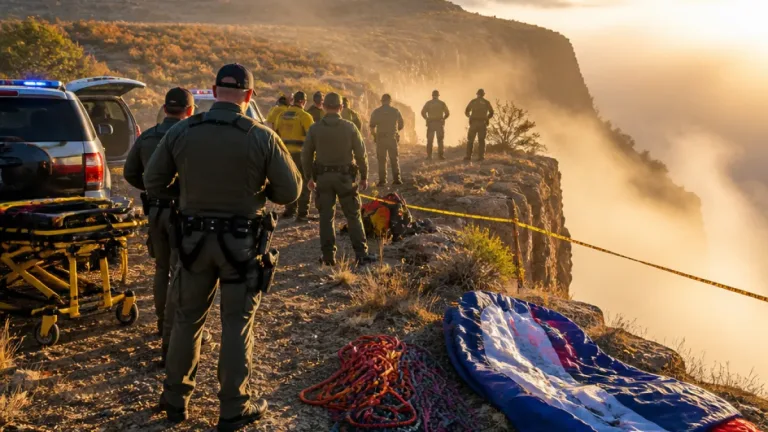
A 10-year-old girl was bitten by a beaver Thursday afternoon while on a summer camp canoeing trip at Seneca Creek State Park in Montgomery County, state officials said, marking the third reported beaver attack in Maryland in under a month.
Incident details and response
The Maryland Department of Natural Resources said the encounter occurred at about 3:30 p.m. on a creek within the park. Camp counselors were on the trip and were able to remove the beaver from the child before the animal slipped back into the water. The girl was taken to a hospital with three wounds to her upper leg, officials said.
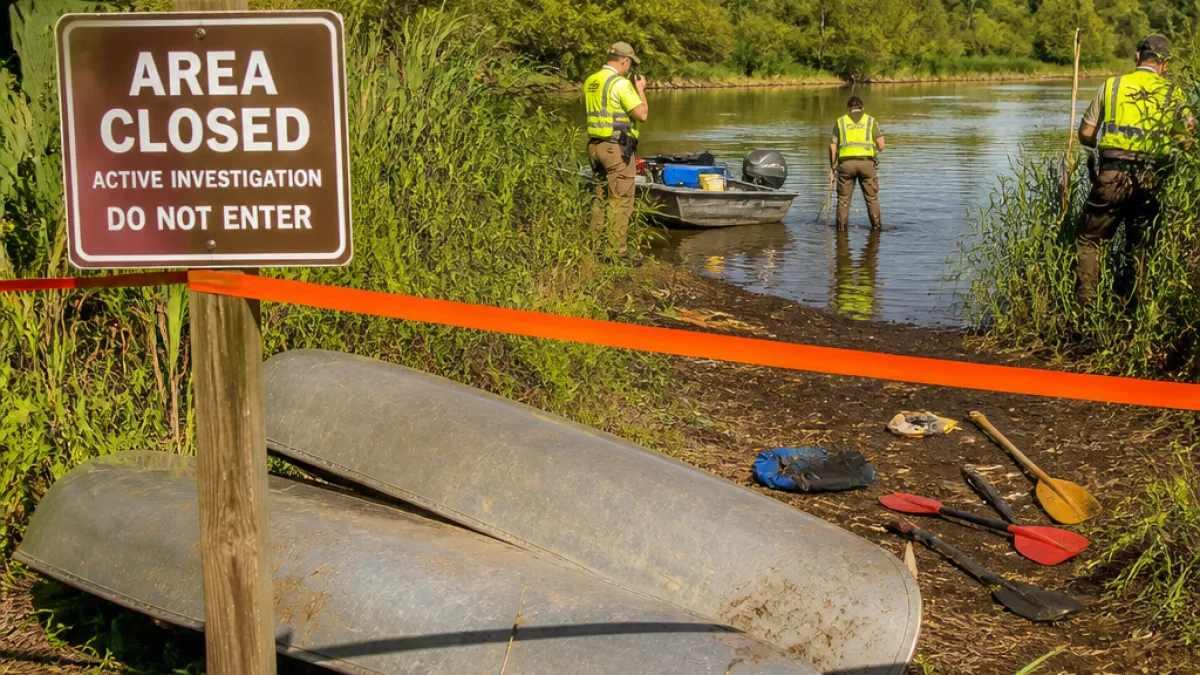
Park staff temporarily closed part of Seneca Creek State Park while they searched for the beaver involved in the attack. Authorities did not immediately say whether the animal was found or captured.
Statewide pattern: three attacks this month
This incident follows two earlier beaver attacks at Cunningham Falls State Park in Frederick County. In those cases, a 13-year-old who was swimming and a 19-year-old who was fishing were attacked. Wildlife officials captured and euthanized the two beavers from Cunningham Falls; both animals later tested positive for rabies, the department reported.
| Date | Location | Victim | Outcome for animal |
|---|---|---|---|
| Earlier this month | Cunningham Falls State Park | 13-year-old (swimming) | Captured, euthanized, rabies positive |
| Earlier this month | Cunningham Falls State Park | 19-year-old (fishing) | Captured, euthanized, rabies positive |
| Thursday | Seneca Creek State Park | 10-year-old (canoeing) | Search underway |
Wildlife expert: beaver encounters rare but can be serious
Aaron Hall, program director with the Beaver Institute's Beaver Corps, told reporters that while beavers generally avoid people, their bites can cause significant injury because they have "rather large, rather sharp teeth." He said beavers typically warn with a tail slap before fleeing the area.
"They do have rather large, rather sharp teeth," Hall said. "While they don't attack humans very often, when they do it can be serious."
Hall also noted that beavers are not known to transmit rabies widely among themselves. Instead, he said, infected beavers likely contracted the virus from other rabid wildlife such as raccoons or foxes. He urged wildlife managers to focus monitoring efforts on rabies activity in raccoon populations.
What to watch for and how to stay safe
State wildlife officials reminded the public to keep distance from beavers and other wild animals. Hall listed behaviors that may indicate an animal is ill or dangerous and urged people to avoid water or the area if they observe such signs.
- A beaver approaching people directly or acting aggressively.
- Unusual daytime activity from an animal that is normally nocturnal.
- Swimming in circles, lethargy or a lack of fear of humans.
Anyone who is bitten or scratched by a wild animal should seek medical attention promptly and contact local health or wildlife authorities so the animal can be evaluated for rabies. Officials have previously said the two beavers from Cunningham Falls tested positive for rabies, underscoring the importance of treatment and testing after a bite.
Park operations and next steps
Maryland Department of Natural Resources officials said they are conducting a targeted search at Seneca Creek State Park to locate the beaver. The agency temporarily closed the affected area of the park during the search; no timetable was provided for reopening.
As investigations continue, public-health and wildlife officials reiterated standard precautions: avoid approaching or feeding wild animals, keep pets leashed and vaccinated, and report aggressive or abnormal wildlife behavior to state authorities.
WE NEWS will monitor updates from the Department of Natural Resources and Montgomery County authorities and will provide further information as it becomes available.