
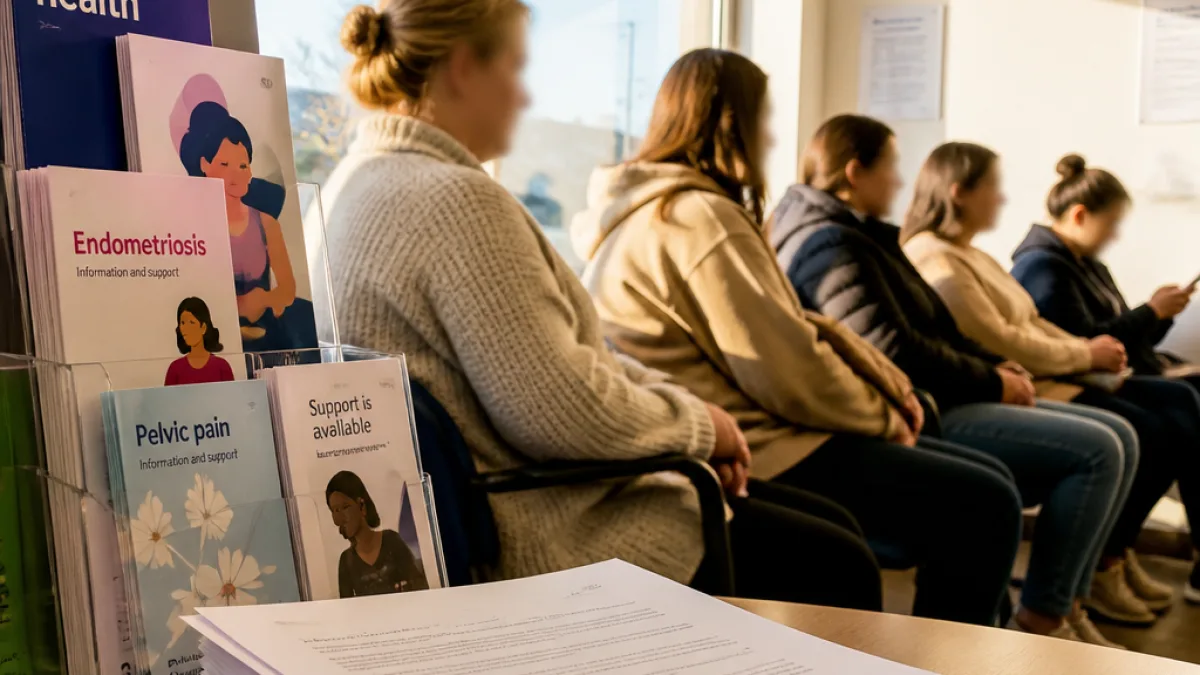
Women in York are telling health watchdogs they feel ignored, disbelieved and sometimes dismissed by healthcare professionals, a report published by Healthwatch York has found.
Long waits and misattribution
The review, based on a survey of 78 people in the city, sets out a pattern of symptoms being attributed to mental health causes — such as anxiety or depression — before a physical diagnosis is reached. In one account included in the report, a woman described waiting 21 years for a diagnosis of endometriosis, saying she was only taken seriously after she broke down in a GP’s office.
Healthwatch York said its findings indicate there is "a lot more that needs to happen" to give women confidence that their concerns will be taken seriously by local services.
How respondents described their experiences
The survey results collated by Healthwatch York show a number of recurring themes:
- Not listened to: 55 per cent of respondents said healthcare professionals did not listen to them.
- Not believed: 39.5 per cent said they were not believed.
- Mental-health attribution: 33 per cent said they were first told they had a mental health issue.
- Dismissal as ‘normal’: Almost a third (31 per cent) said they were told their symptoms were "normal for women or they experienced misogyny".
| Issue | Proportion of respondents |
|---|---|
| Not listened to | 55% |
| Not believed | 39.5% |
| Told they had a mental health issue first | 33% |
| Told symptoms were 'normal' / experienced misogyny | 31% |
Mixed experiences, but many left distressed
Alongside the critical accounts, Healthwatch York noted that nearly half of respondents (47 per cent) did report encountering at least one sympathetic and understanding healthcare professional. The report therefore documents a mixture of experiences but highlights the substantial number who felt dismissed.
"Ableism, misogyny, gaslighting and ignorance are common experiences for me," one woman quoted in the report said.
That respondent added that she often felt forced to prepare extensively for appointments — rehearsing what to say and bringing her own evidence, including professional guidelines — and left appointments without a sense of relief that she had received the help she needed.
Local implications and next steps
The Healthwatch report underscores concerns about trust in local services and the potential consequences of delayed diagnosis. One of the conditions referenced, endometriosis, is estimated to affect around one in 10 women nationally; the case outlined in the report, where diagnosis took more than two decades, illustrates the human cost of delays.
Healthwatch York has called attention to the scale of the problem in the city and the need for action to ensure women’s concerns are heard and investigated promptly and appropriately. The report does not set out specific policy changes but signals that improvements in professional listening, awareness of women’s health conditions and diagnostic pathways are required.
For patients, the findings may prompt consideration of avenues to seek second opinions, bring documented evidence to consultations and use local advocacy services where available. For health providers and commissioners, the report represents a local prompt to review training, diagnostic processes and patient feedback mechanisms.
Healthwatch York’s publication also arrives amid wider discussion about women’s experiences of healthcare services nationally, and comes after other recent local coverage on the city’s health provision. The watchdog’s findings are likely to inform conversations between patient groups, clinicians and NHS bodies in York about how to rebuild confidence and reduce avoidable delays in diagnosis.
Healthwatch York, which gathers feedback from patients to influence service improvement, said the voices in the report point to both failings and examples of good practice. The watchdog emphasised that the positive encounters reported demonstrate what is possible when clinicians listen and act on concerns.















