
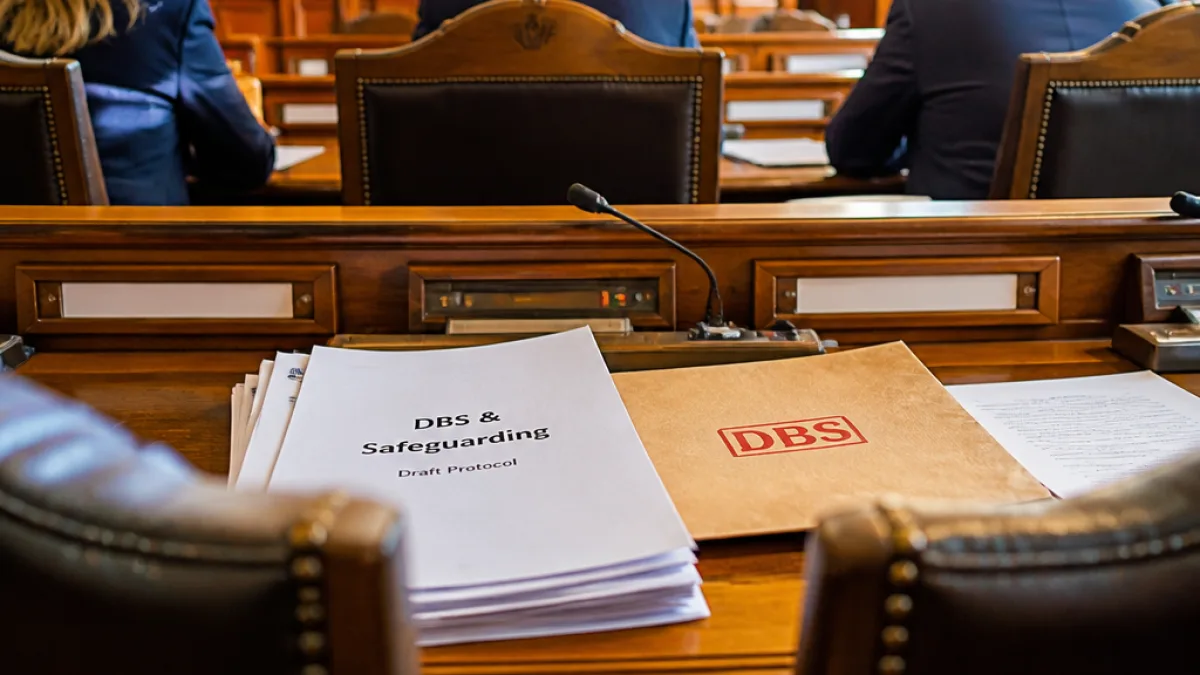
Plans would require councillors to hold and maintain DBS certificates
Barnsley Council will next week debate a motion that would require every elected member to obtain and maintain an appropriate Disclosure and Barring Service (DBS) certificate for the duration of their term.
The measure, proposed by Councillor Dickie Denton and seconded by Councillor Carl Snowden, is framed as a bid to strengthen safeguarding and public confidence in local government.
Under the proposals councillors would be expected to pay for basic DBS checks themselves. The authority would meet the cost of enhanced checks for members whose council duties place them in roles eligible to work with children or vulnerable adults.
- Every councillor would need and keep an appropriate DBS certificate during their term.
- Basic DBS checks would be self-funded by councillors.
- The council would fund enhanced checks for members in eligible roles.
The motion instructs the council to draw up a councillor DBS and safeguarding protocol within three months, detailing which checks are appropriate and the recommended renewal periods. It also proposes that an anonymised annual update on councillors’ compliance be presented to the Standards Committee.
“Confidence in councillors and local government depends upon the public being assured that the right checks and safeguarding measures are in place and transparent.”
The motion acknowledges national uncertainty over DBS requirements for elected officials and asks the council’s chief executive to write to the Government, the Local Government Association and Barnsley’s MPs requesting clearer national legislation or guidance on the matter.
Local context and likely implications
For Barnsley residents the proposal is significant because it addresses both practical safeguarding arrangements and the broader question of public trust. Requiring elected members to undergo criminal-record checks would align councillor vetting with expectations often placed on volunteers, staff and professionals who work with children and vulnerable adults.
Council leaders will need to balance the additional administrative and financial implications of the policy with its intended reassurance to the public. While the motion envisages councillors meeting the cost of basic checks themselves, a new protocol will create administrative steps for the council to record, monitor and report compliance.
That monitoring element — an anonymised annual update to the Standards Committee — is likely to be welcomed by those who want transparency without breaching individual privacy. It remains to be seen how many councillors would be affected by the requirement for enhanced checks, which the council would pay for where roles are eligible.
Next steps and timetable
The full council is scheduled to debate the motion on 24 September. If councillors approve it, the council would have three months to produce the DBS and safeguarding protocol specified in the motion. The request to national bodies for clearer guidance follows concerns raised in the motion about current ambiguity on DBS requirements for elected members.
| Key dates | Action |
|---|---|
| 24 September | Full council debate on the motion |
| Within 3 months of approval | Council to draw up DBS and safeguarding protocol |
The proposed changes mark a notable step in how local representatives are scrutinised and supported. Whatever the outcome, Barnsley residents can expect a clearer statement from the council in the coming months about how it intends to manage DBS checks, safeguarding responsibilities and public reporting for their elected members.













