Council will not recover submerged masonry; repairs scheduled for November
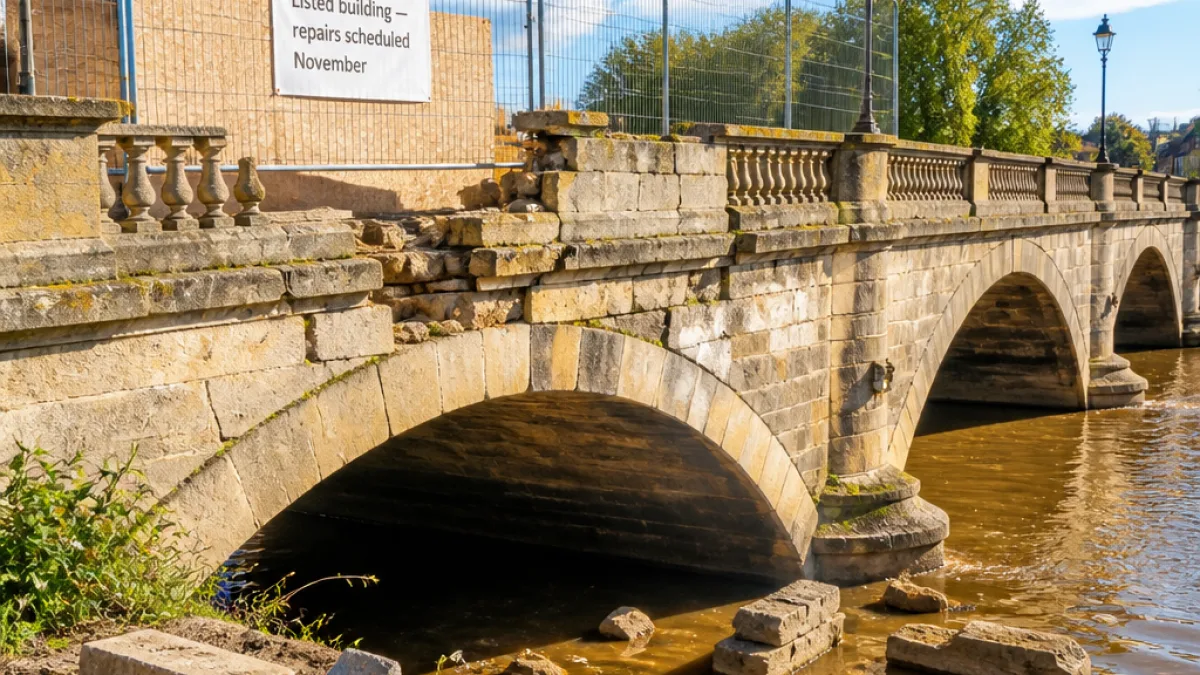
Worcester’s historic bridge will be repaired this autumn, but the council has confirmed that much of the stonework that tumbled into the River Severn after a crash will not be retrieved. Worcestershire County Council said surveys indicate the submerged masonry is likely damaged and that removing it would be costly and disruptive.
The parapet was badly damaged when a police car went through the stonework on 3 March. West Mercia Police have said the incident was caused by a loose laptop becoming lodged in the vehicle’s steering column. Following an internal review, the officer at the wheel will face no misconduct action.
“Based on these findings, it has been decided not to recover the stone from the river,”
the council said, adding that inspections have confirmed the debris does not pose a risk to river users or to the bridge itself. Officials said recovery would demand specialist lifting equipment and would require the bridge to be closed for several days.
Conservation and matching stonework
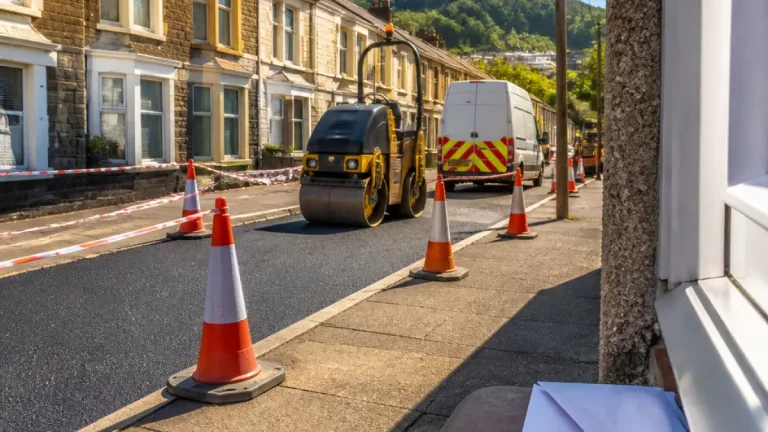
Listed building consent has now been granted by Worcester City Council for masonry repairs to the northern parapet, paving the way for restoration work. The county authority said it was attempting to source specialist stone and prepare it to match the existing fabric as closely as possible, while using any suitable recovered material remaining on the bridge structure.
Local councillor Tor Pingree, who represents the Riverside division in Worcester, has been seeking answers from the highways department about the timescale and approach to repairs. She noted the sensitive nature of work on a conservation-area structure, and the need for skilled stonemasons.
- Damage cause: Police car crash through parapet on 3 March
- Investigation: West Mercia Police determined a loose laptop obstructed the steering column; no misconduct action for the driver
- Council decision: Do not recover much submerged stone due to likely damage and cost
- Repairs: Planned for November, with listed building consent granted for northern parapet works
Balancing safety, cost and conservation
The council’s statement underlined a practical calculus: while rescuing fallen stone might appear desirable for conservation, the degraded condition of submerged blocks and the specialist recovery resources required mean the operation would be disruptive and expensive. Officials say surveys have confirmed the riverbed debris does not create a hazard to navigation or the remaining structure.
For residents and road users this means the focus will be on carefully staged repairs rather than an attempt to lift and reuse every piece of masonry. The council has indicated it will use recovered material where appropriate but will prioritise sourcing matching stone and employing skilled stonemasons to ensure the repaired parapet respects the bridge’s historic character.
| Event | Date / Status |
|---|---|
| Police car crash through parapet | 3 March |
| Surveys of submerged stone | Completed; indicate likely damage |
| Listed building consent granted | Granted by Worcester City Council |
| Repairs scheduled | November |
Tor Pingree warned that previous restoration work had taken several years and that specialist contractors would be required. The council has not provided a day-by-day timeline for the November works, but the combination of listed status, the need for bespoke stone and the conservation area setting suggests the repair programme will be carefully managed.
Residents and river users will watch the council’s next steps closely: the bridge is a key piece of Worcester’s riverside heritage and an important transport link. The decision to leave much of the fallen masonry beneath the waterline reflects a judgment that public safety and minimising disruption must be weighed alongside conservation aims.