
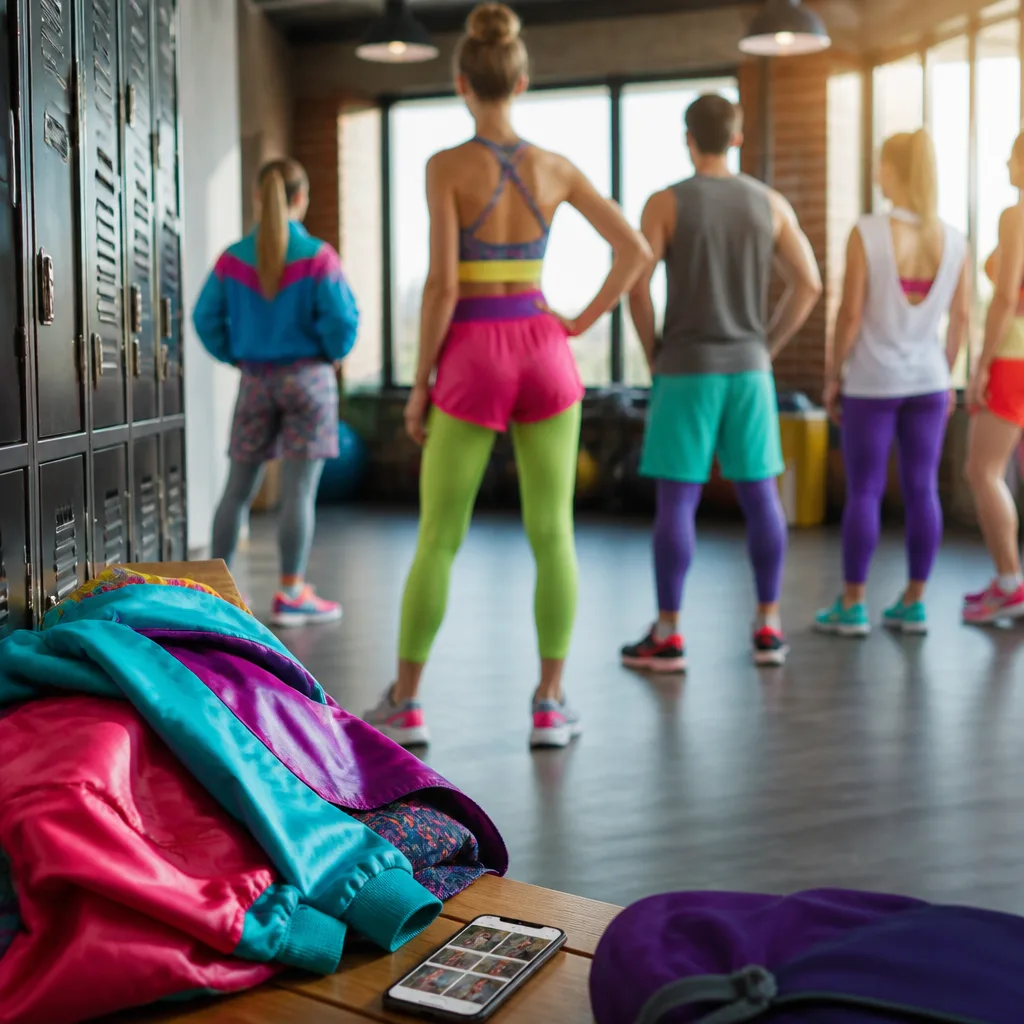
The uniform of muted black, grey or navy that once dominated gym changing rooms is being quietly replaced by a new approach: mismatched activewear. Rather than hiding in a carefully coordinated set, many gym-goers — particularly younger consumers — are choosing contrasts, clashing colours and mixed eras of sportswear as a form of personal expression.
What the trend looks like
Mismatched activewear is not merely throwing on whatever is clean. It is a deliberate aesthetic: pairing items that would traditionally be considered incompatible, such as contrasting hues, mixed brands or a combination of old-school baggier shorts with contemporary compression tops. The result is what some describe as "curated chaos" — an outfit that stands out because it was put together to look like it didn’t have to match.
- Intentional contrast: deliberate clashing of colour, texture or silhouette rather than accidental mismatch.
- Mixing eras and brands: vintage gym staples paired with modern technical pieces, or high-street items with premium labels.
- Affordable experimentation: a look achieved largely with pieces people already own, rather than buying expensive matching sets.
Why it’s taking hold
Social media platforms that blend fitness and fashion are a powerful force behind the shift. Users following gym creators now frequently encounter content where personality and individuality are emphasised over polished, coordinated looks. The posts that tend to engage most are those that show authenticity — people dressing for themselves rather than to meet a prescribed standard.
There is also a cultural pushback against the sameness of matching sets. For some, coordinated activewear has come to feel overly neat and impersonal — a uniform that signals conformity. Mismatched pieces challenge that by suggesting a more relaxed, self-assured approach to dressing for exercise.
Practicality and cost are key. Many people do not want, or cannot afford, to invest in premium brand-matching kits. Mixing pieces from existing wardrobes makes the trend accessible and low-cost to try, widening its appeal beyond trendsetters to a mainstream audience.
Style notes and how to try it
For readers curious about experimenting without a wardrobe overhaul, the essentials are simple: try pairing one striking item — a brightly coloured top or retro shorts — with more neutral companions; play with layers that create visual tension; or intentionally combine different brand logos for an eclectic look.
Styling tips that can help the effect look intentional rather than accidental include keeping one element bold while letting the rest be understated, and thinking about proportions (for example, oversized shorts with a more fitted top). The aim is to project confidence — wearing clothes for comfort and self-expression rather than appearance alone.
| Typical element | How it’s used |
|---|---|
| Contrasting colours | Bright or retro hues paired with neutrals to create a focal point |
| Mixed silhouettes | Baggy, old-school shorts with modern, tight tops to offset proportions |
| Brand mixing | Combining items from different labels to avoid a uniform look |
What this means for the wider fashion landscape
The move towards mismatched activewear fits into a larger pattern in contemporary dressing: a desire for individuality and a distaste for overly curated or corporate aesthetics. It also demonstrates how trends born on social platforms can reshape what is considered acceptable or fashionable in everyday spaces like the gym.
For retailers and designers, the trend highlights demand for versatile pieces that integrate with existing wardrobes rather than requiring full coordinated purchases. For consumers, it offers a low-cost route to experimenting with personal style while retaining comfort and functionality.
Whether the trend endures or evolves into another iteration of self-expression, it reflects a clear shift: many people now want gym wear to say something about them beyond fitness metrics — and they are doing so by confidently choosing not to match.














