
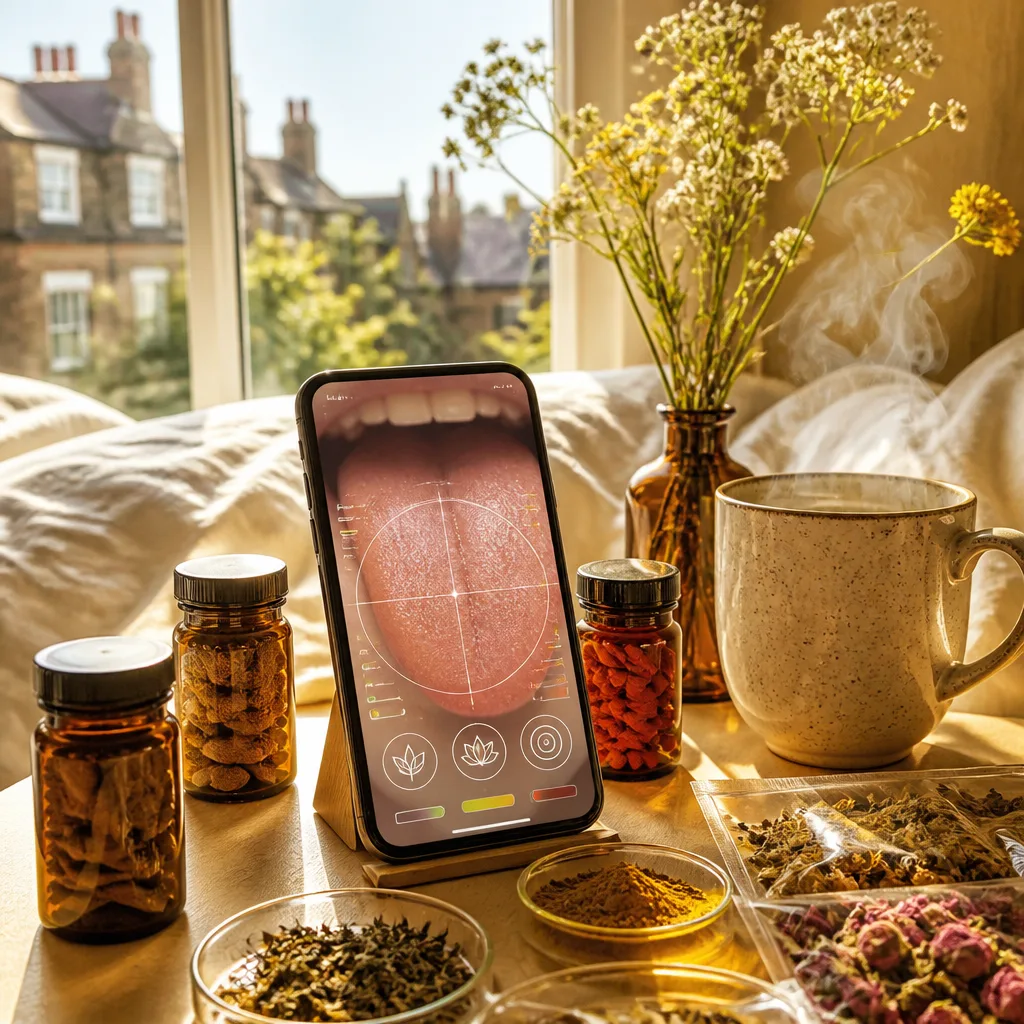
The wellness brand Apothékary is offering a personalised tongue‑reading service called Noriko that asks users to upload a clear photo of their tongue so they can receive tailored herbal and lifestyle guidance. The service brings together traditional diagnostic ideas and modern image analysis to create what the company describes as customised wellness formulas.
How it works
Users start the process by submitting a photograph of their tongue taken shortly after waking. The service evaluates visible features — including colour, coating, shape and moisture — to infer information about digestion, gut health and general wellbeing. Apothékary pairs these observations with users’ reported symptoms and goals to recommend herbs and routines.
“first thing in the morning, before brushing teeth or eating”
The offering is part of a broader wave in digital wellness where image‑based assessments and AI are used to scale methods that were once confined to in‑person consultations. The company positions Noriko as a bridge between centuries‑old healing systems and contemporary, on‑demand consumer health tools.
What the trend means for consumers
There are several practical appeals to the approach. It is quick, non‑invasive and fits into everyday routines. For people who already use wellness apps or subscribe to personalised supplements, a photo‑based consultation can feel like a low‑friction addition to self‑care.
- Accessibility: a smartphone photo can replace an appointment for an initial reading.
- Personalisation: herbal protocols and lifestyle suggestions are tailored to the individual rather than one‑size‑fits‑all supplements.
- Scalability: image analysis lets the service reach more people than traditional face‑to‑face herbal consultations.
At the same time, the model raises familiar questions about accuracy, clinical oversight and what role such tools should play alongside conventional medical care. While the service draws on diagnostic concepts found in ancient health systems, its recommendations are delivered as wellness guidance rather than formal medical diagnoses.
How visual signals are interpreted
Apothékary highlights a handful of tongue characteristics as particularly useful to their assessments. The following table summarises the traits the service looks for and the general areas they say these traits correspond to:
| Observed trait | Typical interpretation |
|---|---|
| Colour | Signals that may relate to digestion and internal balance |
| Coating | Clues about gut health and digestive function |
| Shape | Indicative of structural or functional tendencies in the body |
| Moisture | Offers information on hydration and internal environment |
These categories map onto the company’s goal of producing bespoke herbal formulas and lifestyle suggestions that reflect a user’s current needs as described when they submit the photo.
Where this fits in the wider market
Experts in digital health have observed that telehealth and consumer wellness platforms are increasingly adopting hybrid models: combining self‑tracking, visual diagnostics and remote guidance. Brands that sell botanical supplements can differentiate by offering customised formulations rather than off‑the‑shelf products, while digital platforms can expand beyond standard consultations by incorporating image analysis and coaching.
For consumers considering a service like Noriko, it is sensible to treat the output as personalised wellness advice rather than a substitute for clinical assessment. Those with ongoing or serious health issues should continue to consult a medical practitioner. For people curious about non‑clinical, preventive and lifestyle‑focused approaches, image‑based screening tools offer a novel way to explore tailored herbal support without the barrier of an in‑person visit.
As visual diagnostics and AI become more common in consumer health, transparency about methods, limitations and how recommendations are produced will be increasingly important. Services like Noriko illustrate how traditional practices can be reinterpreted for modern audiences, but they also underscore the need for clarity about what such tools can and cannot deliver.














