Wellness technology that records sleep, movement and recovery is becoming less clinical and more considered in how it looks and integrates into daily life. Recent product developments show designers are focusing on making trackers and sensors something users want to wear or leave out in plain sight, rather than items that clash with outfits or turn bedrooms into a makeshift clinic.
Smarter design for everyday wear
Smart rings, fitness bands and in-bed sleep monitors have long been judged on data accuracy and battery life, but aesthetics often lagged behind. The result: people were faced with a choice between useful health insights and items that felt at odds with their personal style. The response from designers has been to reframe devices as jewellery or discreet accessories so tracking can feel like a deliberate fashion decision rather than a tech compromise.
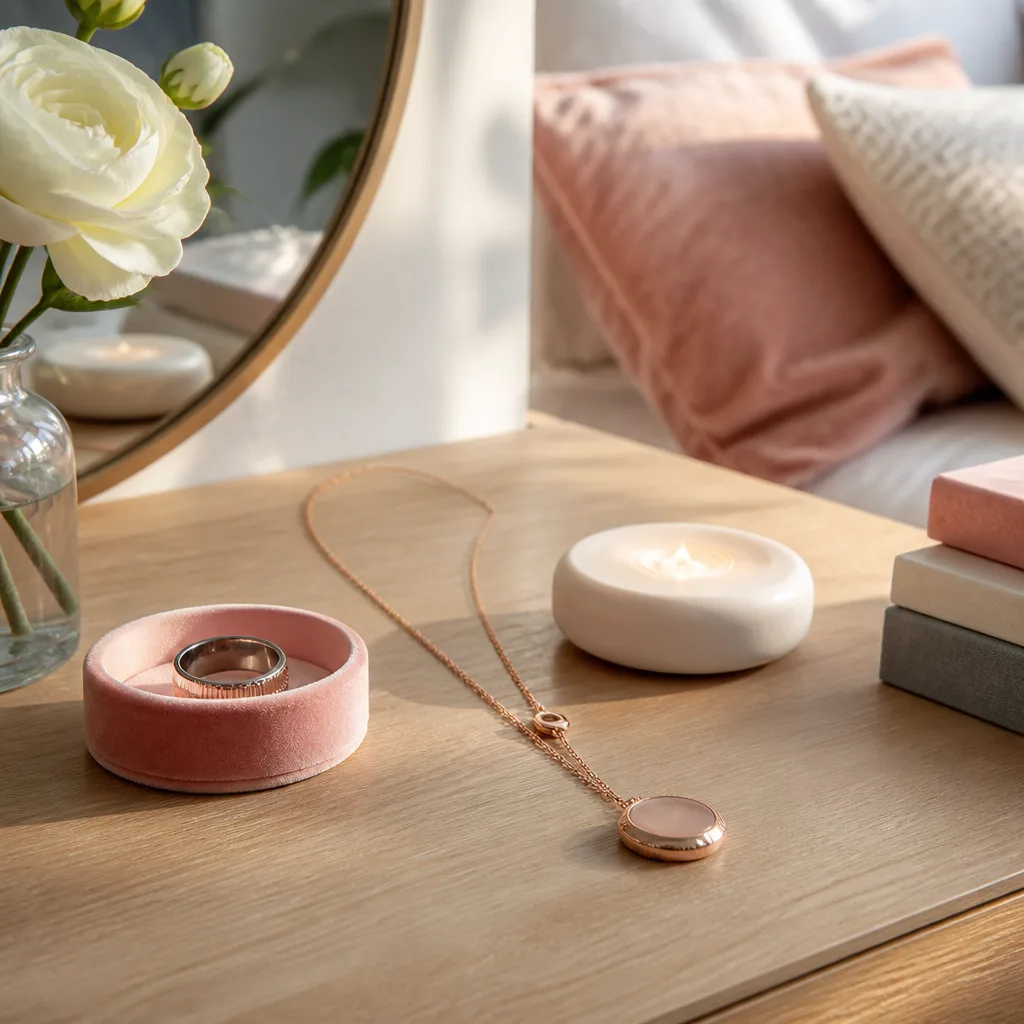
One example coming to market is the Eleuthera Zo Orbit Collection, which addresses a persistent problem with smart rings: they can look like tiny pieces of hardware when worn with other jewellery. Each piece in the Orbit Collection is a jacket that slips over a smart ring, finished in 14k or 18k gold and available with natural or lab-grown diamonds. The aim is to let the tracker perform its function while the visible exterior reads as chosen jewellery.
Designers behind these pieces stress sourcing and material transparency, positioning the items as personal adornment rather than generic tech. The tracking hardware remains unchanged underneath, but the aesthetic shift means a ring used for sleep or recovery metrics can also be part of a carefully curated jewellery stack.
Subtle sensors for everyday needs
Not all innovations are about bling. Some products seek to make monitoring less intrusive by folding sensors into items you already wear. The The90 Gem is a pared-back pendant that contains a personal UV sensor, offering a low-key way to keep an eye on sun exposure without adding an obvious gadget to your outfit.
These approaches share a common goal: to let data collection happen without making wearers feel like they are broadcasting their health to everyone. Whether through decorative jackets for smart rings or minimalist pendants with embedded sensors, the focus is on integration and discretion.
- Design-led accessories turn health trackers into jewellery rather than visible tech.
- Minimalist sensors can be embedded in everyday items to reduce the clinical feel of monitoring.
- Material transparency and considered sourcing are increasingly part of the product proposition.
Why it matters
For consumers, the design shift matters for two practical reasons. First, people are more likely to wear devices consistently if they feel comfortable and confident doing so; better-looking tech can increase adherence to tracking routines. Second, making trackers visually unobtrusive reduces the sense that personal spaces or outfits are being medicalised, which may make users and their household members more relaxed about in-home monitoring.
The trend also signals a broader evolution in the wellness market: manufacturers are recognising that health technology must coexist with personal identity and home aesthetics. That opens up opportunities for brands that can combine reliable sensing with considered design, and it gives shoppers options beyond the traditional matte plastic and silicone finishes of early wearables.
While the technology beneath remains responsible for accuracy and data handling, these design-forward offerings show that tracking sleep, sun exposure and recovery need not come at the cost of style or domestic ambience. For anyone keen to keep an eye on their wellbeing, the new wave of products makes it easier to do so in a way that feels intentionally chosen rather than imposed.