
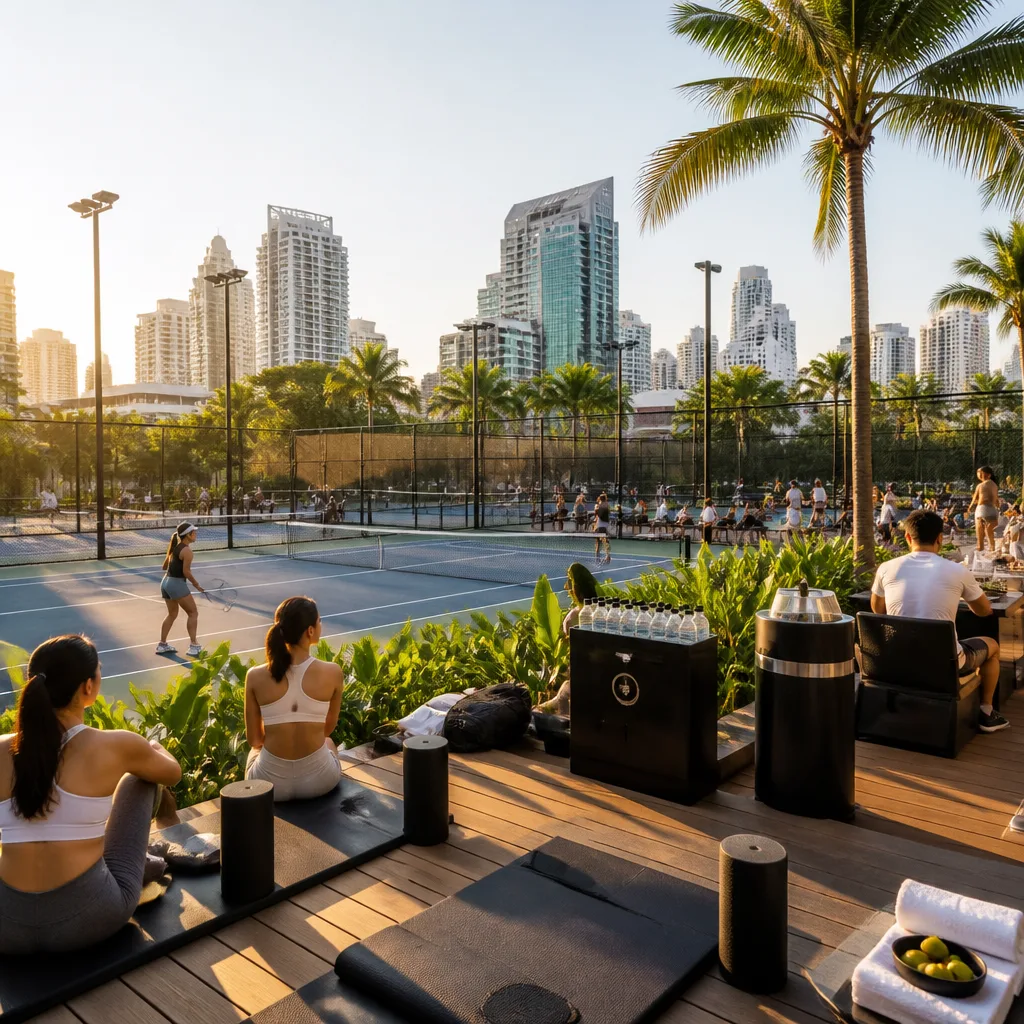
R3 Life Wellness Center used a Bangkok tennis tournament in early August to publicise a new, holistic approach to healthy ageing that prioritises movement, recovery and prevention alongside traditional healthcare.
Sport as a platform for long-term wellbeing
The organisation backed the Court Clash Lifestyle Tournament, staged at Beat Active in Silom, Bangkok on 1–2 August 2026, as part of a campaign to introduce its so-called Complete Longevity Lifestyle. The event blended sporting competition with community activities designed to spark conversation about staying active and independent as people grow older.
Organisers described the involvement as going “beyond sport”, arguing that longevity should be judged not only by years lived but by the number of years people continue to do activities that matter to them. Tennis was chosen as an emblematic activity because it combines aerobic exercise, agility, coordination and social engagement — all elements often cited in research on healthy ageing.
What the centre is promoting
R3 Life positions its programme within a wider shift in healthcare, where prevention, longevity medicine and lifestyle approaches are gaining attention. The centre says its model seeks to protect both lifespan and the quality of those years through integrated strategies for movement, recovery and preventive care.
- Movement: promoting regular physical activity and sports participation.
- Recovery: emphasising rehabilitation, rest and injury prevention to sustain activity over time.
- Prevention: encouraging early interventions and lifestyle changes that reduce long-term health risks.
At the Court Clash event, the centre used the setting to reach an engaged audience already interested in active living, hoping to start conversations about how sport and daily habits can support long-term independence.
Context and implications
The move reflects a wider international conversation in healthcare. As advances in preventive and longevity medicine prompt new public questions, many people are thinking not just about extending life but about preserving function and autonomy in later years. Community-level events that combine sport, education and social connection are increasingly used to translate medical concepts into practical behaviours.
Using a public sporting event to communicate health messages has potential advantages. Participants are already motivated to be active, making them receptive to guidance on injury prevention, recovery practices and lifestyle habits that support sustained participation. The social element of sports like tennis can also bolster mental wellbeing, which health professionals view as a key component of healthy ageing.
There are, however, limits to what promotional events can deliver. Sustained behaviour change typically requires accessible services, ongoing support and, for many, changes in the built environment or workplace policies to encourage activity. Programmes that link community engagement to measurable prevention services and follow-up care are more likely to achieve long-term impact.
| Event | Details |
|---|---|
| Court Clash Lifestyle Tournament | Beat Active, Silom, Bangkok — 1–2 August 2026 |
| Organiser / Supporter | R3 Life Wellness Center |
| Focus | Promoting a Complete Longevity Lifestyle: movement, recovery, prevention |
For readers considering similar approaches at home, the core messages are practical: maintain regular activity, adopt recovery practices after exercise, and seek preventive care early. Community sports clubs, wellness centres and local public health bodies can all play roles in making these options more accessible.
While longevity research continues to evolve, events that pair accessible sporting participation with clear advice on prevention and recovery can help translate scientific ideas into everyday choices — potentially helping more people to keep doing the things they enjoy for longer.














