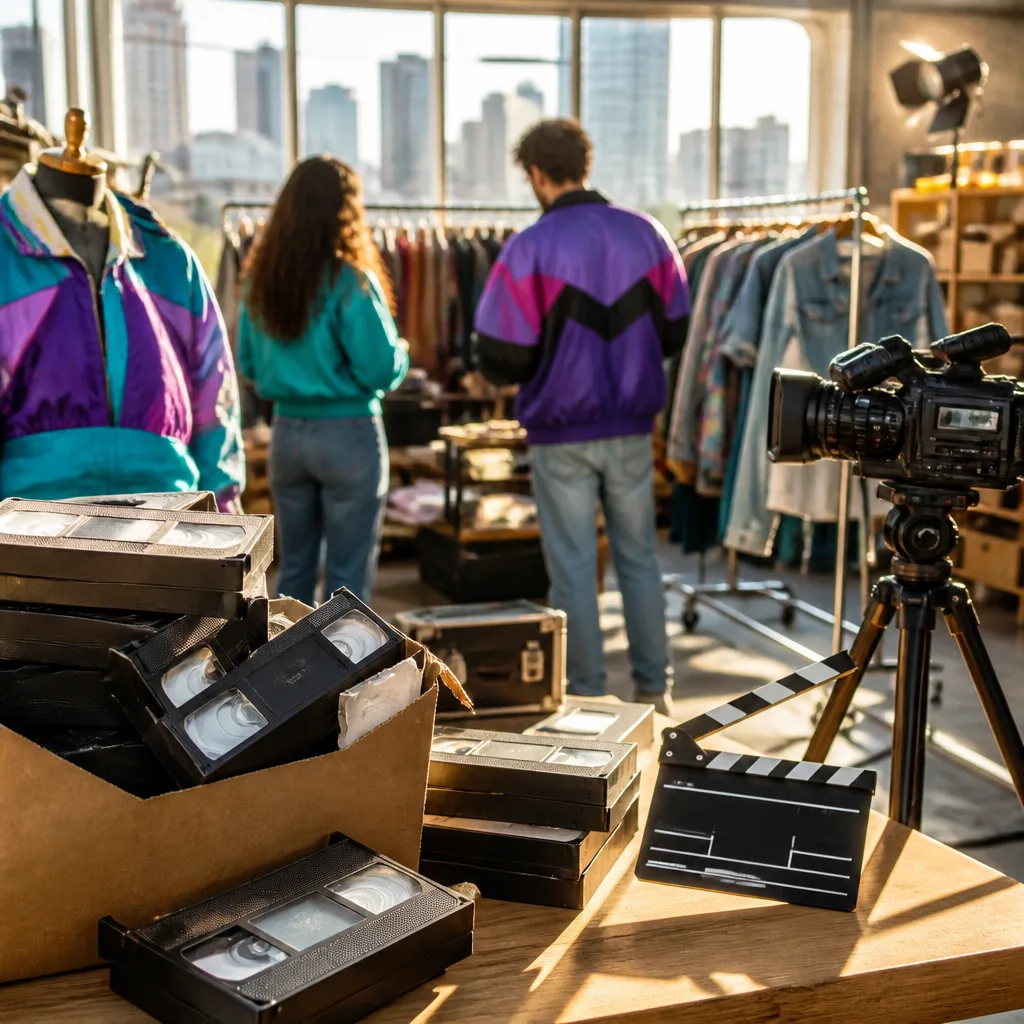
What appeared to be unearthed dating tapes from the 1980s and 1990s — complete with awkward pauses, sweater vests and the soft-hum of analogue camcorders — have been confirmed as deliberate recreations rather than discovered artefacts. The Instagram account VHS Dates, which drew nearly 900,000 followers with its nostalgic clips, is the work of two Los Angeles filmmakers who staged the footage using performers.
From found box to studio shoot
The creators, both 39 and alumni of the American Film Institute, initially told a visiting reporter they had been digitising a box of tapes recovered from a downtown office basement. The narrative — that the tapes dated from the mid-1980s to the early 1990s and had come from a service called “VHS Dates” in Van Nuys, California — helped the account build a compelling origin myth.
But when the reporter met the pair at a large studio space in downtown Los Angeles, the story changed. The filmmakers admitted the clips had been made on site and involved hired actors asked to keep their involvement confidential. One of the performers revealed he had been misled about the clips’ provenance when first approached.
“This is where we shoot the videos.”
Crafting nostalgia — and its effects
Part of the project's power was the convincing detail: clothing, haircuts and the halting, vulnerable delivery of lines that many viewers found emotionally affecting. The account resonated with audiences precisely because it channels the look and tone of an era before dating apps, when people might have sat in front of a camcorder and spoken to a potential partner on tape.
That emotional pull extended to celebrity observers and commentators who reacted to the clips as if they had discovered a lost cultural artefact. Yet the revelation that the scenes were staged raises uncomfortable questions about the boundaries between homage, pastiche and deception in online culture.
Why the distinction matters
There are practical and ethical reasons to care whether material presented as archival is, in fact, newly produced:
- Historical trust: Audiences often treat purportedly authentic footage as windows into the past; misrepresenting created material can distort public perception of history and memory.
- Emotional response: Viewers who believed they were seeing “real” people from decades past responded with empathy; the disclosure reframes that reaction and may feel manipulative to some.
- Platform dynamics: Viral reach can be amplified when content is framed as discovery rather than fiction; that raises questions about responsibility on the part of creators and platforms.
For the filmmakers, producing staged pieces allowed for creative control — scripting, casting and curating the aesthetic with exacting detail. For viewers, the pleasure derived from nostalgia remains real, but the line between homage and hoax is now a subject of public debate.
| Metric | Reported detail |
|---|---|
| Instagram followers | ~900,000 |
| Estimated original era (claimed) | Mid-1980s to early 1990s |
Wider implications for viral culture
This episode is another illustration of how social media can blur fact and fabrication. As platforms reward shareable material, creators have incentives to manufacture narratives that habitually win attention: mystery, nostalgia and an emotional hook. The discovery that such a successful project was a contemporary production does not necessarily diminish its craft, but it does demand transparency.
Creators who evoke the past can and often do do so with affection and artistic intelligence. But when they choose to imply provenance that isn’t true, they risk undermining audience trust — and contributing to a media environment in which authenticity itself becomes a commodity.
Whether viewers feel duped, delighted or somewhere in between, the VHS Dates case is a tidy reminder that what looks like a slip of analogue time may be a thoroughly modern piece of theatre, dressed up for the camera.