
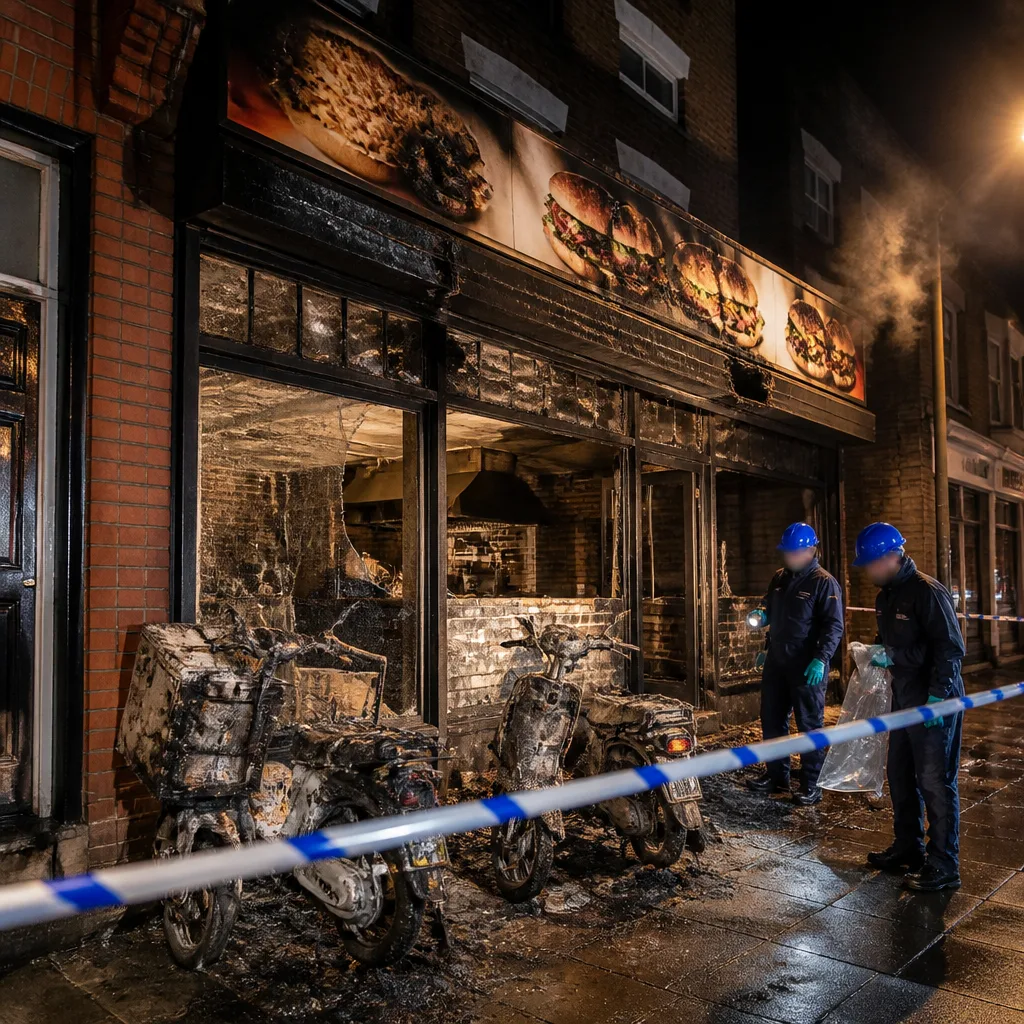
Prosecutors in Israel have filed declarations after two men from Rehovot were arrested on suspicion of carrying out an arson attack on a Japanika restaurant branch in Givatayim. The blaze, which occurred on 12 July, damaged the premises but did not cause any reported injuries.
Alleged attack formed part of wider campaign
Police say the incident was one of several assaults on branches of the Japanika chain in central Israel. Investigators reported that outlets were targeted with a range of violent devices and tactics, including grenades, pipe bombs and attempted arson.
The series of attacks has been examined in the context of a confrontation between two organised crime groups identified in the investigation as the Musli and Jarushi organisations. Authorities have linked this dispute to a spate of violent incidents across recent months.
How investigators say the attack unfolded
According to the police account, two masked individuals arrived at the Givatayim restaurant on a two-wheeled vehicle, poured a flammable liquid in front of the premises and ignited it before leaving the scene. The blaze inflicted damage to the building and to property inside the restaurant but there were no casualties.
The probe was led by the Tel Aviv District Central Unit. Police said that, despite apparent attempts by the suspects to conceal their actions, technological methods enabled investigators to trace and identify the perpetrators.
- 12 July – Arson at Japanika branch in Givatayim; property damaged, no injuries.
- 27 July – First suspect, an 18‑year‑old Rehovot resident, arrested.
- Early August – Second suspect, also 18 and from Rehovot, arrested days later.
- 13 August – Prosecutors file declarations ahead of planned indictments.
Police said searches of the two suspects' homes produced material and items of clothing that investigators believe connect them to the Givatayim attack. The men were detained and their remands were extended several times while enquiries continued.
| Date | Key event |
|---|---|
| 12 July | Arson at Japanika branch in Givatayim |
| 27 July | First arrest (18‑year‑old from Rehovot) |
| Early August | Second arrest (18‑year‑old from Rehovot) |
| 13 August | Prosecutors filed declarations ahead of indictments |
Wider implications and investigative context
Authorities have treated the incident not as an isolated event but as part of an escalation that has included explosive devices and other deliberate attempts to damage property. The apparent targeting of a commercial chain has raised concerns about the public safety impact of criminal disputes spilling into urban areas.
Legal filings described by prosecutors are the next formal stage in proceedings and typically precede the submission of an indictment. At this juncture, the two suspects face charges linked to the offences attributed to them; further details of the planned charges were not released in the police bulletin.
Investigators continue to examine whether the Givatayim attack is connected to other incidents involving the Japanika chain. The restaurant company is known to be owned by businessman Barak Abramov, whose outlets have previously been the subject of violent episodes in central Israel, including an earlier shooting at a different branch.
Police statements emphasised the role of technological investigative techniques in identifying the suspects, although they gave no further specifics about the methods used. The Tel Aviv District Central Unit said enquiries remain ongoing as the prosecution prepares indictments.
As the legal process proceeds, courts will determine whether the case is proven beyond reasonable doubt. Reporting restrictions and the need to preserve the integrity of criminal proceedings mean prosecutors and police have limited the information made public at this stage.














