
A major new analysis of neighbourhood-level data in the United States has concluded that increases in the population of undocumented residents were not associated with rises in overall crime, and in fact coincided with declines in property offences.
Scope and headline findings
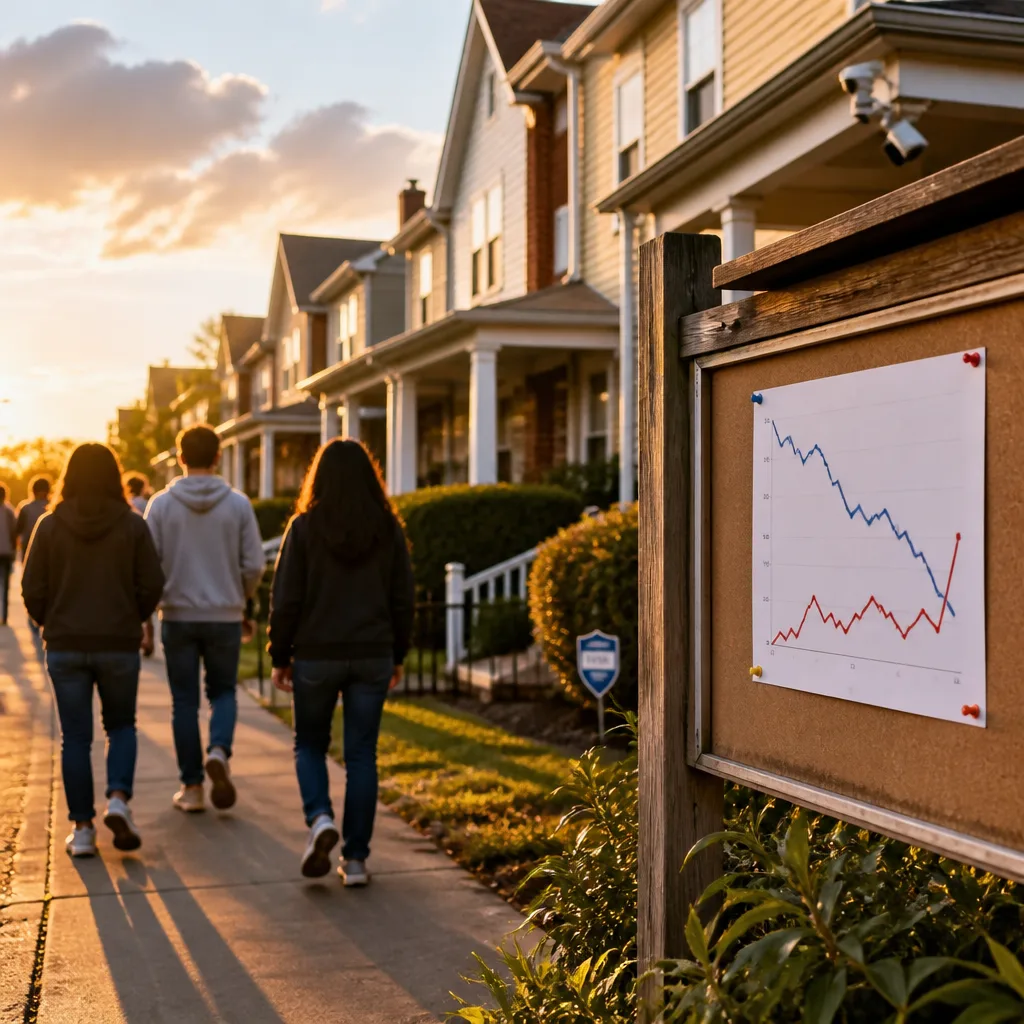
The study, published in the Journal of Urban Affairs and led by researchers including Charis Kubrin of the University of California, Irvine, examined crime trends across 11,500 neighbourhoods in diverse US cities over the period 2010 to 2018. Authors report that areas with growing numbers of undocumented people experienced falling rates of property crime and no meaningful change in overall violent crime, although one category — robberies — showed an uptick in those same neighbourhoods.
“Consistent with the research base more generally, unauthorized immigration does not drive crime rates in U.S. neighborhoods,” Charis Kubrin said in a statement.
How the researchers approached the question
The work sought to answer a question that previous research, looking at city or state aggregates, had not directly addressed: whether residents should be worried about changes in crime in their immediate neighbourhoods as undocumented populations change. Stanford University's Derek Christopher, a co-author, said the study aimed to confront that localised concern.
The authors used fine-grained neighbourhood data covering a substantial cross-section of urban areas, and compared crime trends with changes in estimated undocumented populations over the eight-year study window. They disaggregated crime types to identify differing patterns for property offences, violent crime overall and specific violent categories such as robbery.
Findings in brief
- Property crime: neighbourhoods where the undocumented population grew tended to see reductions in reported property offences.
- Violent crime overall: no statistically meaningful change was detected when undocumented populations increased.
- Robbery: an exception to the broader pattern — recorded robberies rose in the same neighbourhoods where undocumented populations expanded.
| Sample | Period | Main result |
|---|---|---|
| 11,500 neighbourhoods (US cities) | 2010–2018 | Property crime fell; violent crime unchanged; robberies rose |
Authors’ interpretations and caveats
The researchers cautioned that their findings do not imply all types of harm are absent, but they emphasise the absence of a generalised link between unauthorised residency and neighbourhood crime rates. One hypothesis suggested by the team is that undocumented residents’ greater reliance on cash and reduced access to formal banking services could increase their likelihood of being victims of robbery, which may help explain the isolated rise in that offence category.
Lead author Kubrin said she was not surprised by the results, noting they align with a broader body of literature that challenges narratives linking immigration to higher crime. The authors also acknowledged the limits inherent to administrative crime data and to estimating undocumented populations, and they stop short of asserting causal mechanisms beyond the associations reported.
Context and consequences
The findings add to a substantial academic debate that has repeatedly examined the relationship between immigration and public safety. Previous studies at city and state levels have often found no positive association between immigration and crime; this analysis extends that work by examining outcomes at a more local scale, where concerns about immediate neighbourhood safety are often most acute.
While the research speaks to long-standing political arguments about immigration and public security, its authors underscore that policy responses should be informed by nuanced evidence. Policymakers and community leaders who cite public safety in debates about immigration may find the study relevant when considering enforcement strategies, social services, and efforts to increase access to financial infrastructure for marginalised residents.
The study does not assess broader social harms such as economic vulnerability, fear of enforcement or under-reporting of offences, matters that other research has linked to irregular immigration status and which merit continued scholarly attention.
As debates over immigration and crime continue in the United States and abroad, this research provides fresh, neighbourhood-level evidence that challenges simplistic assumptions about unauthorised migration and public safety.














